

/https%3A%2F%2Fcdn-tor.buminteractif.com%2F2026%2F07%2F08202704%2FGettyImages-2226599070.jpg)
A new Statistics Canada study is showing how real estate investors contributed to Canada's housing affordability crisis, concluding that larger investors paid significantly more for residential properties than other buyers during the country's housing boom. The report examined residential investment activity in 2022 and found that while most investors owned only a small number of properties, a relatively small group of large investors accounted for a disproportionate share of investment properties and frequently paid premiums that may have contributed to rising home prices in many markets.
The study defines an investor as anyone who owns at least one residential property that is not used as their primary residence. That includes individual landlords with a single rental property, businesses, corporations and institutional investors. Researchers found that individual investors represented the overwhelming majority of residential investors in Canada, but ownership was concentrated among a much smaller group. Although most investors owned just one or two investment properties, larger investors controlled substantial portions of Canada's rental housing stock and were significantly more active in competitive real estate markets during the period examined.
These pressures on housing affordability were accompanied by a decline in the homeownership rate, which fell from 69 per cent in 2011 to 66.5 per cent in 2021,
-StatsCan statement
Larger investors paying more?
Statistics Canada found that larger investors consistently paid more than non-investors when purchasing comparable homes, particularly in highly competitive urban markets. Researchers suggested those buyers may have had greater financial flexibility, stronger access to capital and investment strategies that allowed them to outbid households purchasing homes as primary residences. While the study stops short of concluding that investors alone caused Canada's housing affordability crisis, it states that their willingness to pay higher prices likely contributed to broader price increases during years when demand significantly outpaced available housing supply.
The report also distinguishes between different types of investors. Most individual investors owned relatively small portfolios consisting of one or two rental properties, often purchased as long-term investments or retirement income. Institutional investors, including real estate investment trusts and corporations, represented a much smaller share of owners but controlled considerably larger property portfolios. Previous research has shown institutional investors have become increasingly active in Canada's purpose-built rental sector, prompting debate over whether large corporate ownership affects affordability for both renters and prospective homebuyers.
Researchers caution that the study should not be interpreted as evidence that all investors contribute equally to rising housing costs. Instead, the analysis points to important differences based on the size of an investor's portfolio. Larger investors were considerably more likely to purchase higher-value properties and pay above prevailing market prices than individuals with only one or two investment properties. Those findings suggest that the impact of investor activity varies substantially across different segments of the housing market, with larger investors exerting greater influence on prices than smaller landlords purchasing occasional rental units.
Affordability concerns
The findings come as Canada is experiencing one of fastest increases in housing prices in its history. According to the report, average home prices rose 98.4 per cent between 2011 and 2021, while rents increased 42.6 per cent over the same period. Homeownership also declined, falling from 69 per cent in 2011 to 66.5 per cent by 2021. Those trends have fuelled growing concern among policymakers that increasing investor participation may be making it more difficult for first-time buyers to enter the housing market, particularly in Canada's largest cities.
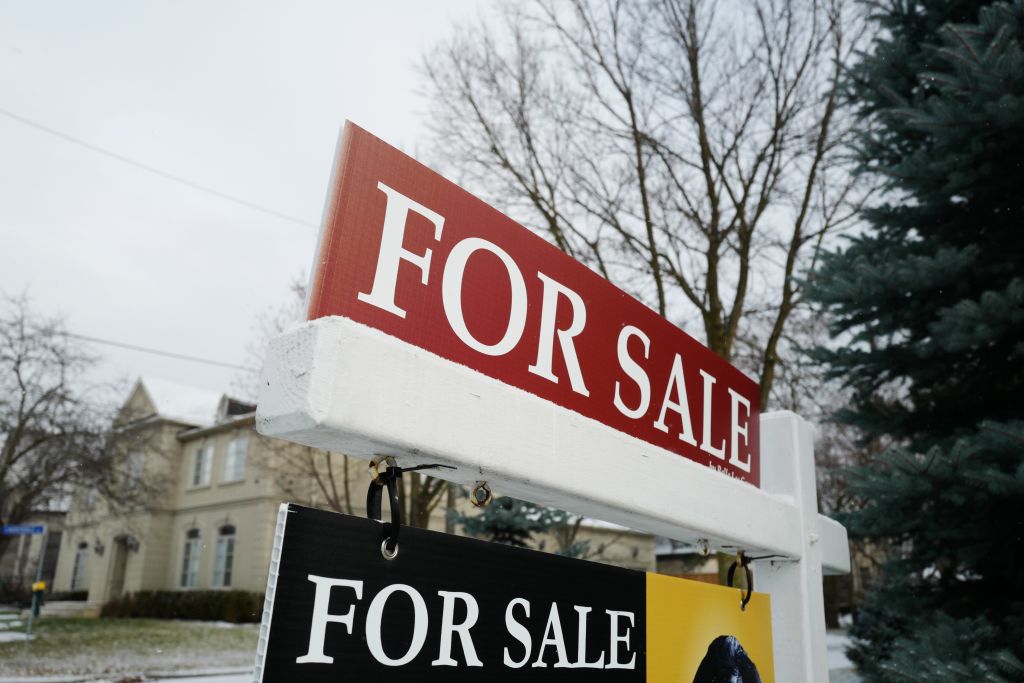
The housing market is currently in an interesting standstill. With prices diving significantly, it has created a volatile market for investors while remaining out of the price range for Canadians looking to afford homes. Major investors are not willing to buy into a housing market whose prices are regularly dipping, fearing for their investments. Unfortunately, the prices (even sunk) are still too expensive for the vast majority of Canadians to afford. What's left is a market for nobody, with houses sitting on the market for weeks, sometimes months without selling.
