

/https%3A%2F%2Fcdn-tor.buminteractif.com%2F2026%2F08%2F11154938%2Ftrump-ferhfiw4tyw37bsdhfs45345fghfgjgh.jpg)
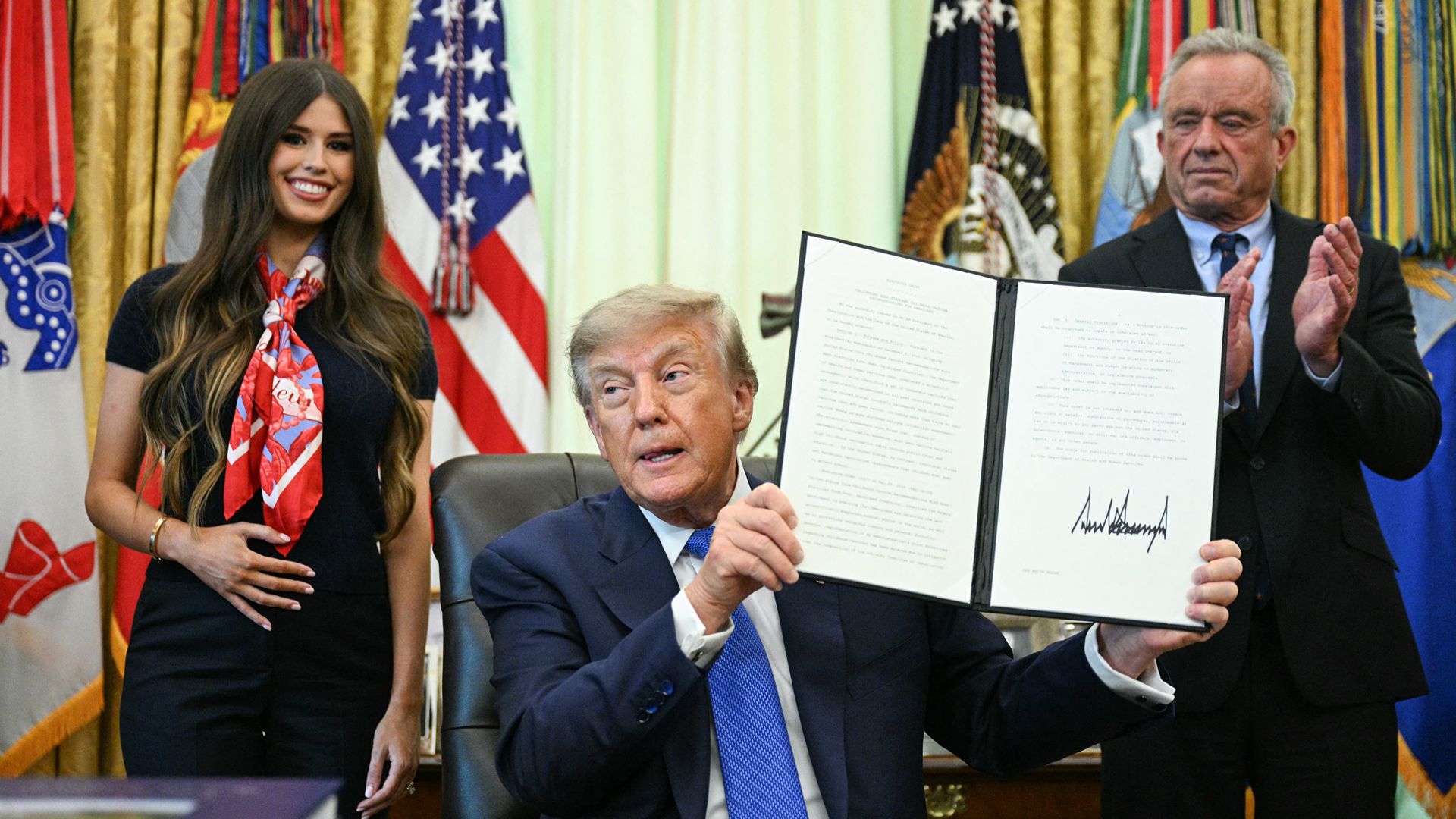
Donald Trump has signed an executive order aimed at reshaping childhood vaccination recommendations in the United States while repeating claims about vaccines and autism that have been rejected by decades of scientific research. The order, signed on Aug. 10, directs federal health officials to develop major changes to the way childhood immunizations are recommended, including reducing the number of vaccines included in universal guidance, encouraging longer intervals between doses and promoting separate injections instead of combination shots. The move comes as millions of children prepare to return to school and places renewed attention on vaccination policies, public health guidance and the role of the federal government in determining medical recommendations. The administration has described the changes as a move toward what it calls a «Gold Standard Childhood Vaccine Recommendations» framework, while medical organizations warn that the new approach could create confusion among families and reduce protection against preventable diseases.
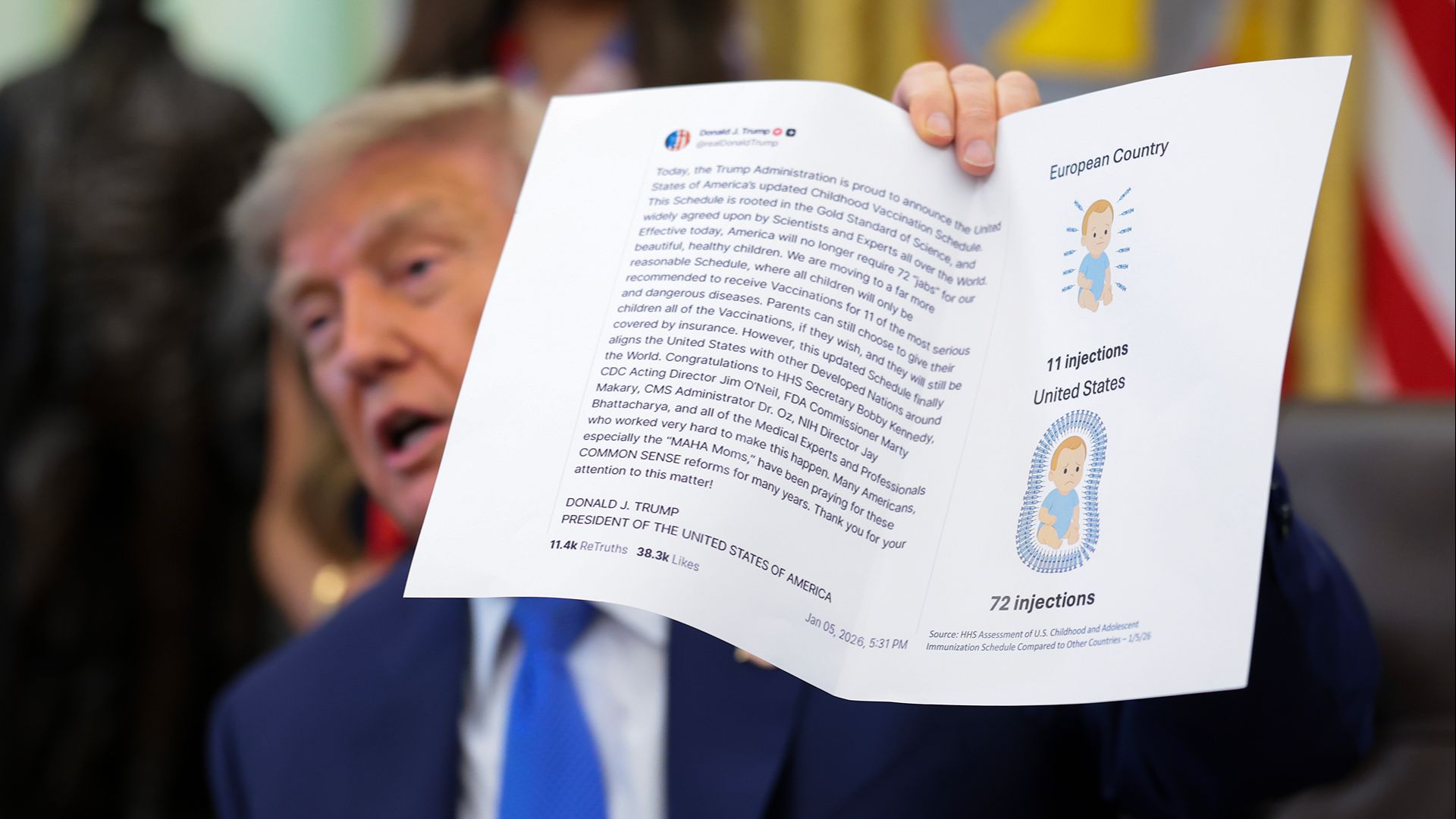
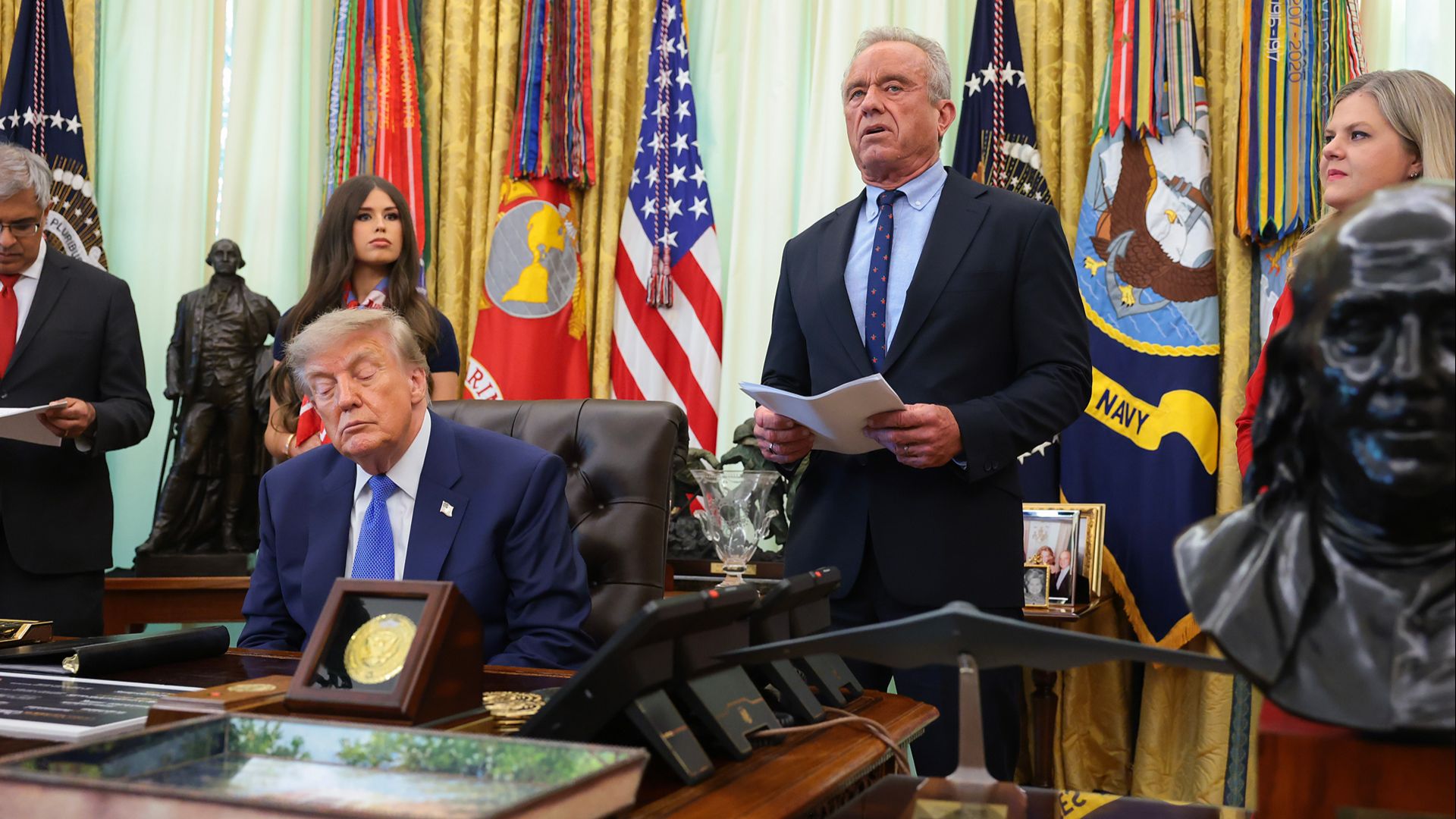
The executive order introduces several significant changes to the current childhood vaccination approach promoted by major medical organizations. Under the new framework, vaccines that have traditionally been part of broad childhood recommendations would no longer receive the same universal status, with some moved into a shared decision-making category or limited primarily to children considered at higher risk. The changes affect vaccines against illnesses including influenza, COVID-19, rotavirus and hepatitis A and B. The order also calls for separating the combined measles, mumps and rubella vaccine into individual shots rather than using the standard MMR combination. In addition, the policy encourages parents and doctors to spread vaccinations across more appointments instead of administering multiple recommended vaccines during the same visit. Trump defended the approach by saying, «We're reducing them. It's not only that you're doing fewer vaccines, or jabs, as they say, but you're doing them in a series of visits to the doctor.» The order also instructs Health and Human Services Secretary Robert F. Kennedy Jr. and a federal task force to spend 90 days reviewing alternative vaccine schedules and examining questions related to autism biology.
«I've seen proof of it, where they have a vaccination where it looks like the size of a bottle of soda, poured into a little child's body and bad things happen in too many cases—because this is an explosion. This is an epidemic.»
-U.S. President, Donald Trump
During the signing event, Trump repeatedly connected modern vaccination practices to the rise in autism diagnoses, despite extensive scientific evidence showing no causal relationship between vaccines and autism. He argued that children received fewer vaccines in previous decades and claimed those periods were associated with better health outcomes. Trump stated, «Decades ago, children received only a small fraction of the vaccines required today. In those times, people were much healthier and of course the high rates of autism now observed did not exist.» Medical researchers have repeatedly studied the question across millions of children worldwide and found no evidence that childhood vaccines cause autism. Trump also criticized the amount of medication children receive during routine immunization schedules, saying, «I've seen proof of it, where they have a vaccination where it looks like the size of a bottle of soda, poured into a little child's body and bad things happen in too many cases—because this is an explosion. This is an epidemic.» Health experts disputed those descriptions, noting that vaccine doses contain extremely small quantities of active ingredients and that official childhood schedules are based on decades of safety and effectiveness research.
The executive order immediately triggered strong criticism from major medical organizations, which warned that the changes could weaken childhood protection against serious infectious diseases. The American Academy of Pediatrics criticized the policy, with its president, Dr. Andrew Racine, arguing that the order risks creating uncertainty among families and making parents question the importance of established vaccination practices. The organization warned that spreading out immunizations over longer periods could leave children vulnerable for extended periods to illnesses such as measles, a highly contagious disease that has caused renewed outbreaks in recent years. Medical groups also raised concerns about the practical consequences of requiring more appointments for separate injections. The American College of Physicians noted that replacing combination vaccines with individual shots could create additional financial and logistical burdens for families, including more medical visits, extra costs and additional time away from work for parents.
The backlash also extended into the political arena, with criticism coming from some Republicans as well as public health experts. Senator Bill Cassidy, a physician and chairman of the Senate health committee, directly rejected the administration's position, writing: «I'm a doctor. This executive order is wrong. The President does not have the expertise to make these changes. Vaccines DO NOT cause autism». Other medical professionals argued that vaccine policy should continue to be based on evidence gathered through large-scale research rather than political pressure or claims that have already been examined and rejected by scientific institutions. While Trump defended the changes as a return to what he described as medical common sense, opponents argued that altering long-established childhood immunization recommendations could create unnecessary uncertainty during a period when vaccine confidence has already become a major public health challenge.
«Decades ago, children received only a small fraction of the vaccines required today. In those times, people were much healthier and of course the high rates of autism now observed did not exist.»
-U.S. President, Donald Trump
The order represents the latest step in a broader effort by Trump's administration and Health and Human Services Secretary Robert F. Kennedy Jr. to revise federal vaccine policy. Trump argued that parents would still have the ability to choose whether to follow the recommended vaccination schedule, stating, «Parents can still choose to give their children all of the vaccinations if they wish. They will be covered by insurance.» He also defended the changes as a way to align the United States with what he called international practices, saying, «This order finally aligns the United States with other advanced and developed nations around the world. More importantly, it aligns us with common sense and knowledge.» However, public health experts have continued to warn that reducing universal recommendations and encouraging delayed vaccination schedules could have consequences beyond individual families by lowering overall community protection. As federal agencies begin reviewing alternative approaches, the debate over the order is expected to remain one of the most contentious public health issues facing the United States.
Created by humans, assisted by AI.
 Report shows Republicans are following Trump in anti-Canadian views
 Christopher Nolan's The Odyssey defies MAGA backlash with $87 million second weekend