Shoulder-fired missile Threat Sparks Air Force One Security Operation, Evacuating Trump While Top Officials Stay Behind


/https%3A%2F%2Fcdn-tor.buminteractif.com%2F2026%2F08%2F12144236%2Ftrump-getty-34563fgdfgdrtg.jpg)
The extraordinary operation unfolded largely out of sight on the tarmac in Ankara, where Donald Trump was preparing to leave Turkey on 8 July after attending his final NATO summit aboard the newly converted Boeing 747-8 donated by Qatar. Behind what appeared to be a routine presidential departure, American security officials were responding to intelligence pointing to a potentially imminent Iranian assassination attempt. The information was unusually specific: Iranian operatives were believed to have obtained detailed knowledge of Trump's movements and accommodations in Ankara, including the building where he was staying and the floor he occupied. The danger extended to his departure from Turkey, with intelligence indicating that a surface-to-air missile could be used against his aircraft. A person carrying what appeared to be a shoulder-fired missile had also reportedly been detected near the summit area, transforming the president's return flight into a security operation built around deception.
The threat emerged during an already volatile period between Washington and Tehran, after renewed hostilities followed the collapse of a short-lived peace agreement and placed American officials on heightened alert during the summit. Faced with intelligence suggesting that Trump's aircraft itself could become a target, the Secret Service and military devised a plan intended to make it difficult for anyone watching the airport to determine which plane actually carried the president. Trump's new Qatari-supplied aircraft departed ahead of him, while cameras later captured the president climbing the stairs of the older blue-and-white Boeing 747 traditionally used as Air Force One. The visible boarding appeared to establish exactly where Trump was. Instead, it became part of an elaborate diversion: once concealed from cameras and observers, Trump was removed from the aircraft and transported across the airport without the journalists and many officials traveling with him knowing that the president had disappeared from the plane.
«I have a lot of threats that you don't know about. Non-consequential presidents don't get threats. And I think that I may be the most consequential president.»
-U.S. President, Donald Trump
Trump's escape from the visible presidential aircraft involved an unlikely piece of airport equipment. After publicly boarding the older Air Force One, he was secretly moved into the container of an airport catering truck, which lowered away from the aircraft before carrying him across the tarmac to a smaller Air Force C-32A, the military version of a Boeing 757. The aircraft, operating under the call sign Reach 18, carried Trump toward Britain while normal flight-tracking information was concealed. Meanwhile, the Boeing 747 that reporters and senior administration officials believed was carrying the president departed Ankara as the decoy, eventually flying under the Air Force One call sign. Secretary of State Marco Rubio, Treasury Secretary Scott Bessent, White House personnel and members of the traveling press remained aboard without being told that Trump was traveling separately. Pool reports from that evening recorded that journalists had been instructed to keep the window shades in the press cabin closed shortly after departure, preventing them from observing activity outside the aircraft.
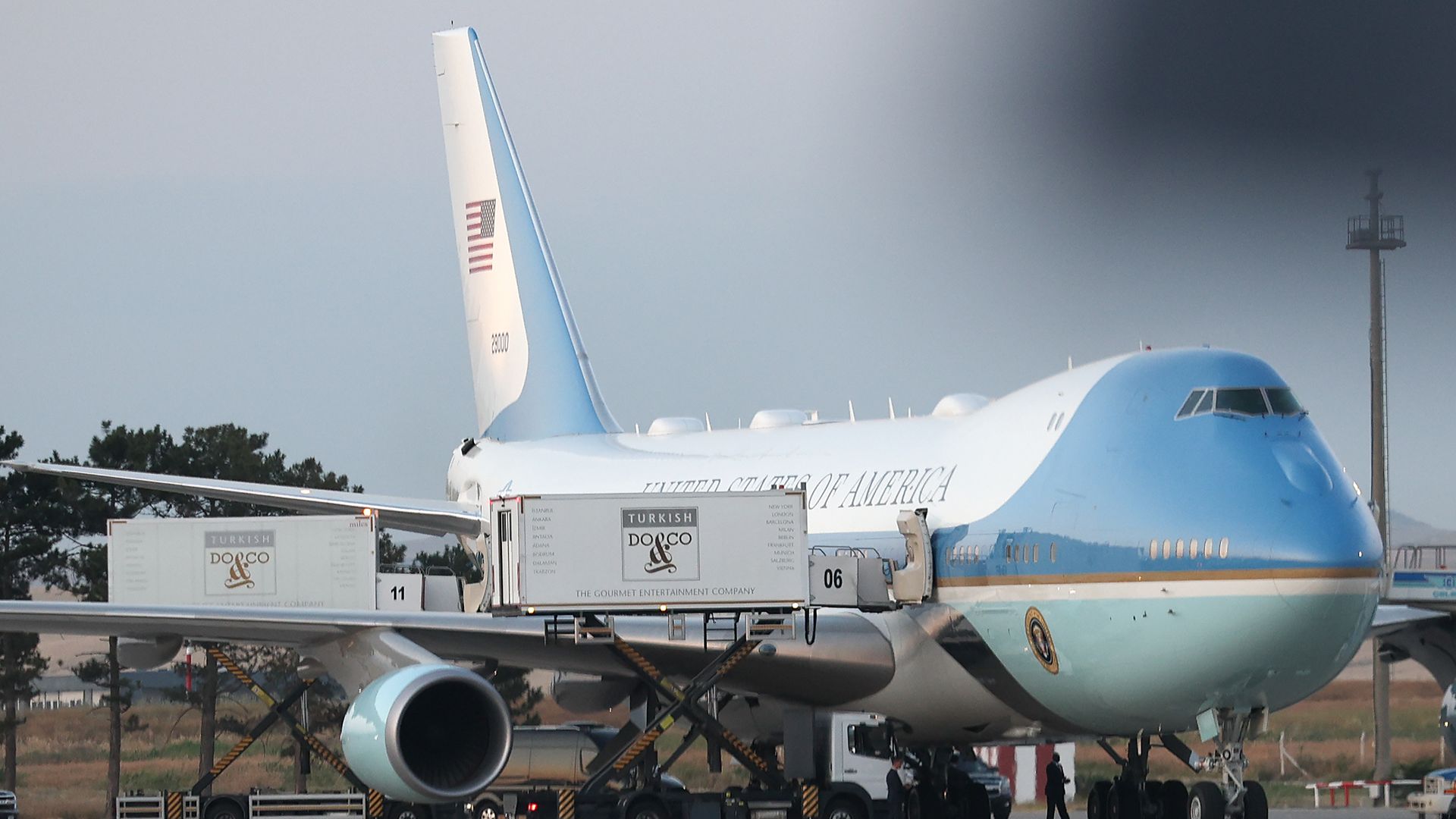
The deception continued beyond Turkish airspace, with the two presidential aircraft following separate routes while those aboard the 747 remained unaware that Trump was traveling elsewhere. The smaller C-32A carrying the president eventually landed at RAF Mildenhall in the United Kingdom, where the operation entered its final stage. Trump was discreetly transferred back to the main presidential aircraft before it reached the area where cameras and other observers could see the delegation, preserving the appearance that he had remained aboard Air Force One throughout the journey. The precautions were extensive enough that even some of the most senior members of the administration were excluded from the operation. Rubio, Bessent, White House staff members and journalists had continued aboard the decoy aircraft while the president traveled separately, a division intended to conceal his actual location from anyone who might have been tracking the presidential delegation after its departure from Ankara.
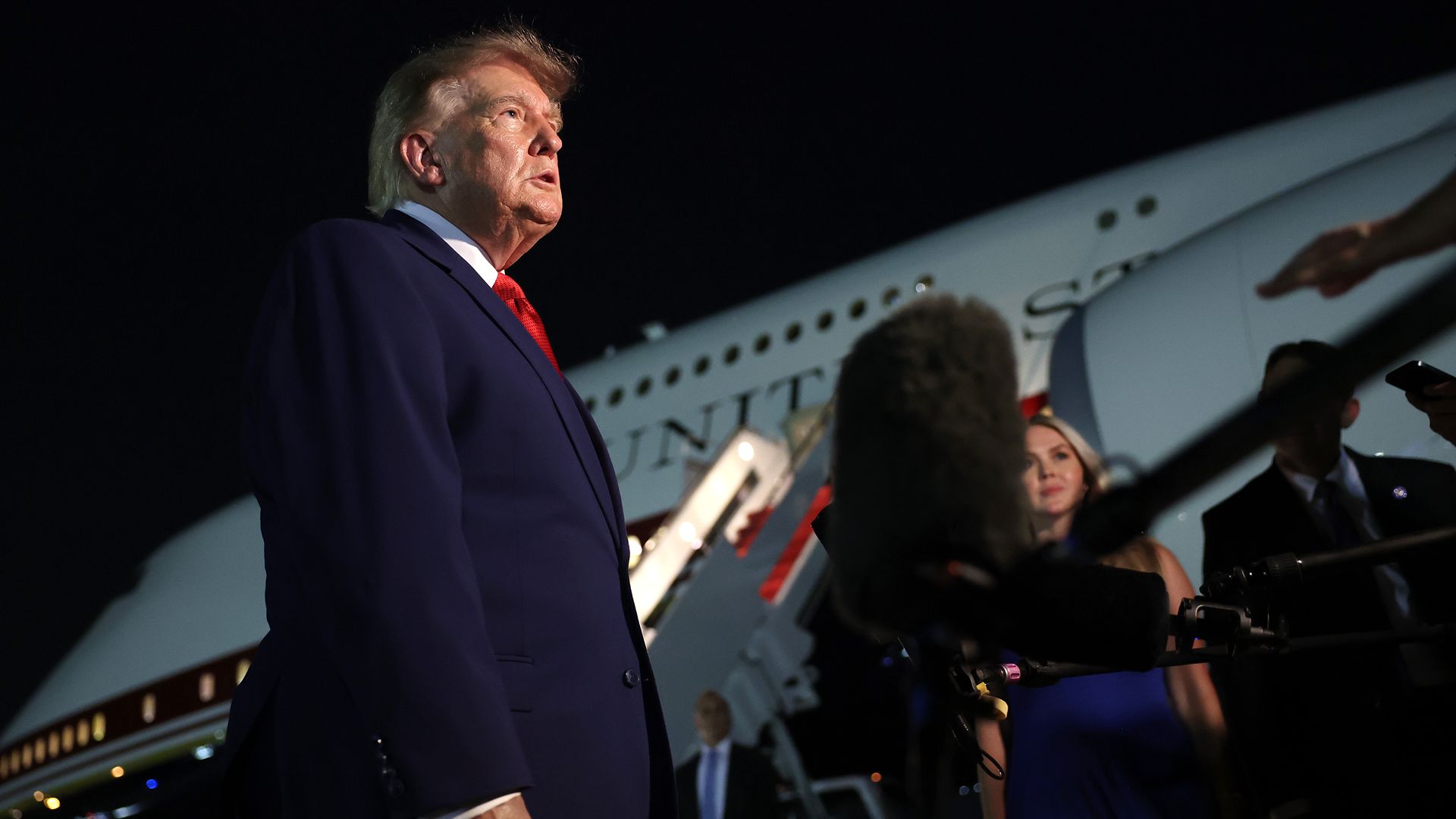
The unusual instructions given to reporters became more conspicuous during the flight. Journalists aboard the decoy aircraft had been directed by the Secret Service to keep their window shades closed, limiting their ability to see what was happening outside while the security maneuver unfolded. When reporters later questioned Trump about the order, he responded with a joke about the potential danger surrounding the flight. «Because you're probably on a dangerous flight… They didn't ask me to close mine, but if they did, I would've done it. But if I go, you go. Right? Perhaps someday you want to change professions.» The full significance of the precautions only became clear later, as details of the operation emerged publicly and revealed that Trump had not been traveling with the officials, staff members and journalists who believed they were accompanying him aboard the presidential 747.
«Because you're probably on a dangerous flight… They didn't ask me to close mine, but if they did, I would've done it. But if I go, you go. Right? Perhaps someday you want to change professions.»
-U.S. President, Donald Trump
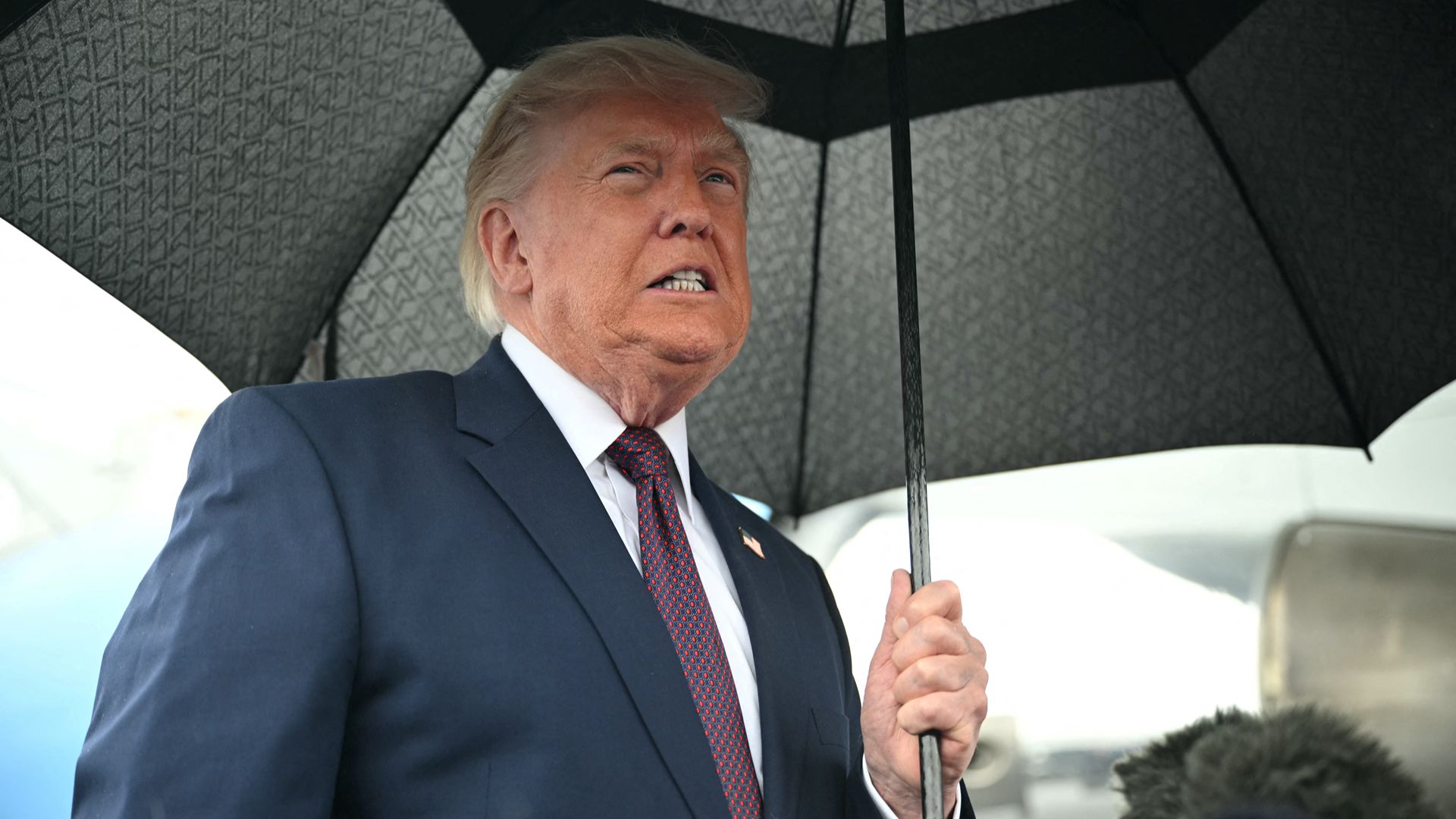
More than a month after the operation, Trump publicly confirmed on 11 August that the Secret Service and military had instructed him to use another aircraft because of a threat surrounding his departure. Speaking to reporters following an event in Ohio, Trump said he had followed the directions of his protective detail without demanding extensive information about the intelligence behind the decision. «It's only up to the Secret Service. I just follow what they'd like to do. I go by the Secret Service and the military. They wanted me to go on a different flight, a different plane, equal safety, but they wanted me to do it, so I did it. I do what they say.» Trump added, «I guess there was a threat out there. I didn't really ask too much about it. I get a lot of threats.» He then emphasized the frequency of threats against him, saying, «I have a lot of threats that you don't know about. Non-consequential presidents don't get threats. And I think that I may be the most consequential president.»
Created by humans, assisted by AI.
 Trump signs vaccine order after repeating false claims about autism link
 Trump approves nuclear deal with Saudi Arabia without oversight that meets the “standard of excellence”