New Jersey Data Center Diesel Spill Adds Fuel to Growing AI Backlash as Official Blames «Computer Glitch»


/https%3A%2F%2Fcdn-tor.buminteractif.com%2F2026%2F09%2F16185304%2Fai-data-center-getty345345gdg.jpg)
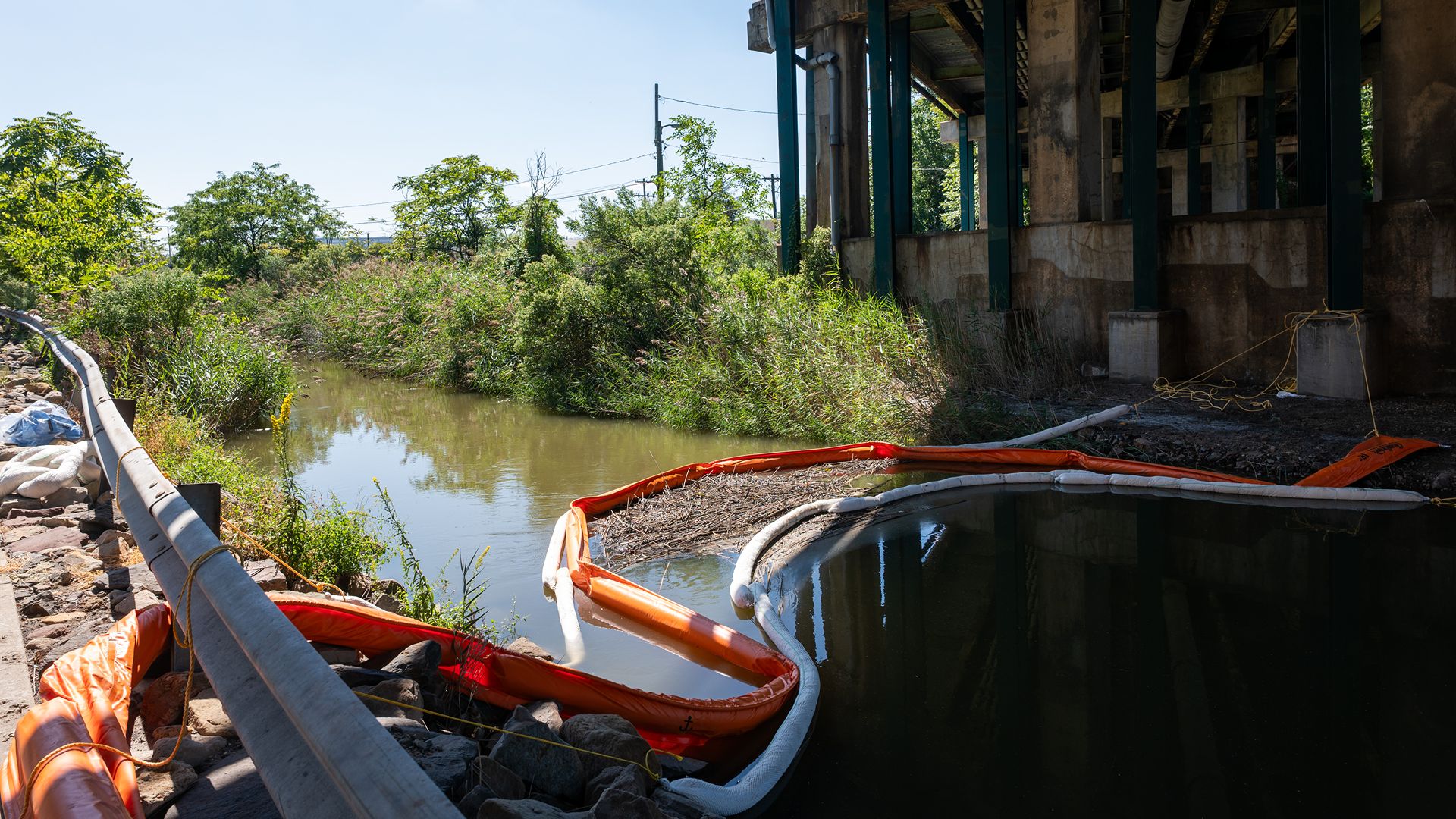
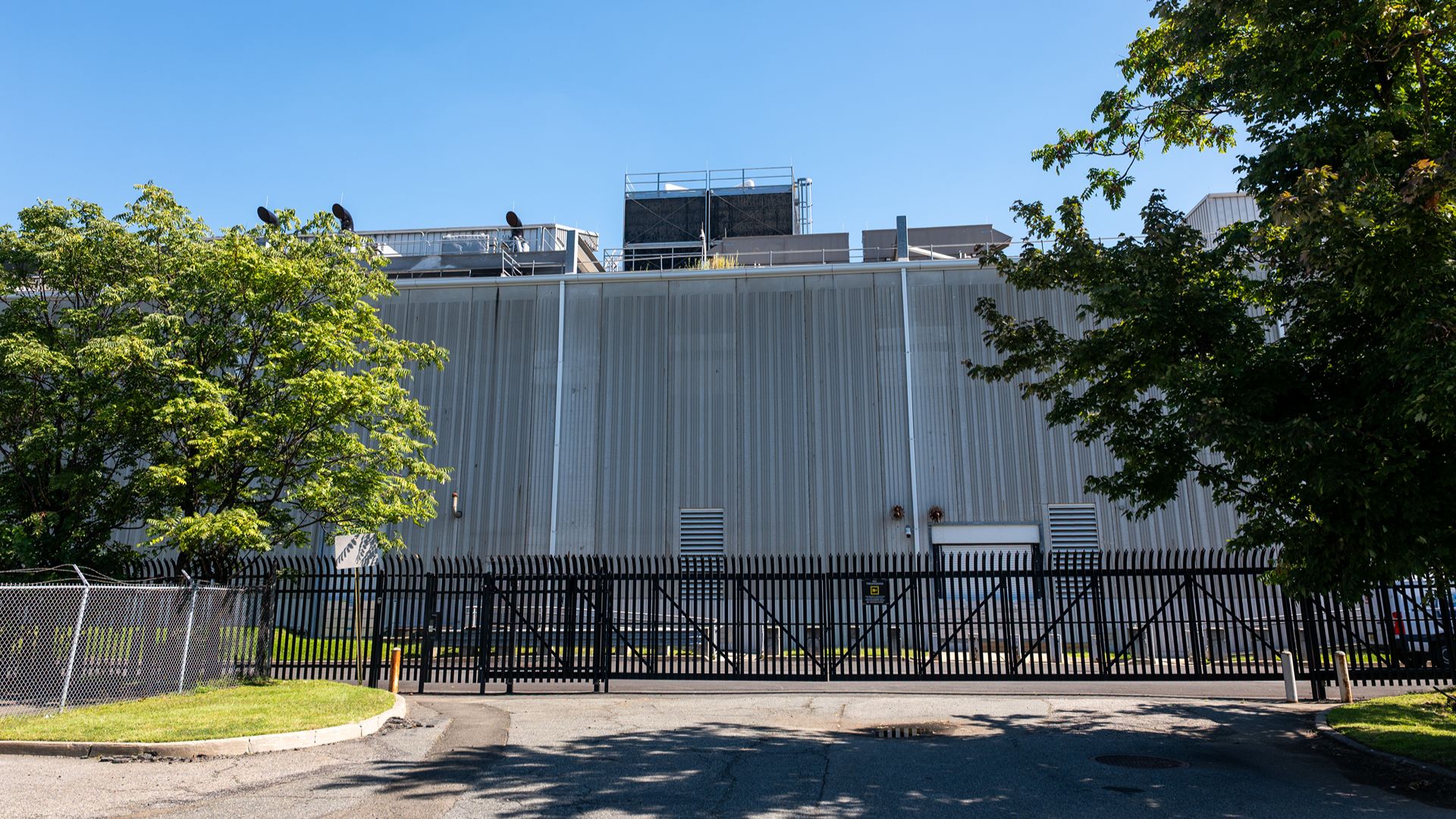
A new wave of backlash against AI infrastructure erupted in New Jersey after a «computer glitch» was blamed for a major diesel spill at a data center, sending fuel into a creek connected to the environmentally sensitive Hackensack River. On Friday, September 11, approximately 5,000 gallons of No. 2 diesel escaped from a storage tank at the Equinix NY2 data center in Secaucus, according to the New Jersey Department of Environmental Protection. Some of the fuel entered Anderson Creek, a tidal tributary winding through the Meadowlands, although state officials have not determined exactly how much reached the water. Secaucus Mayor Michael Gonnelli said a malfunction in the facility's computerized fueling system apparently continued «calling for oil», causing diesel to be pumped until an outdoor generator tank overflowed. The accident has quickly become another flashpoint in the growing debate over the enormous physical infrastructure required to support America's rapidly expanding AI industry.
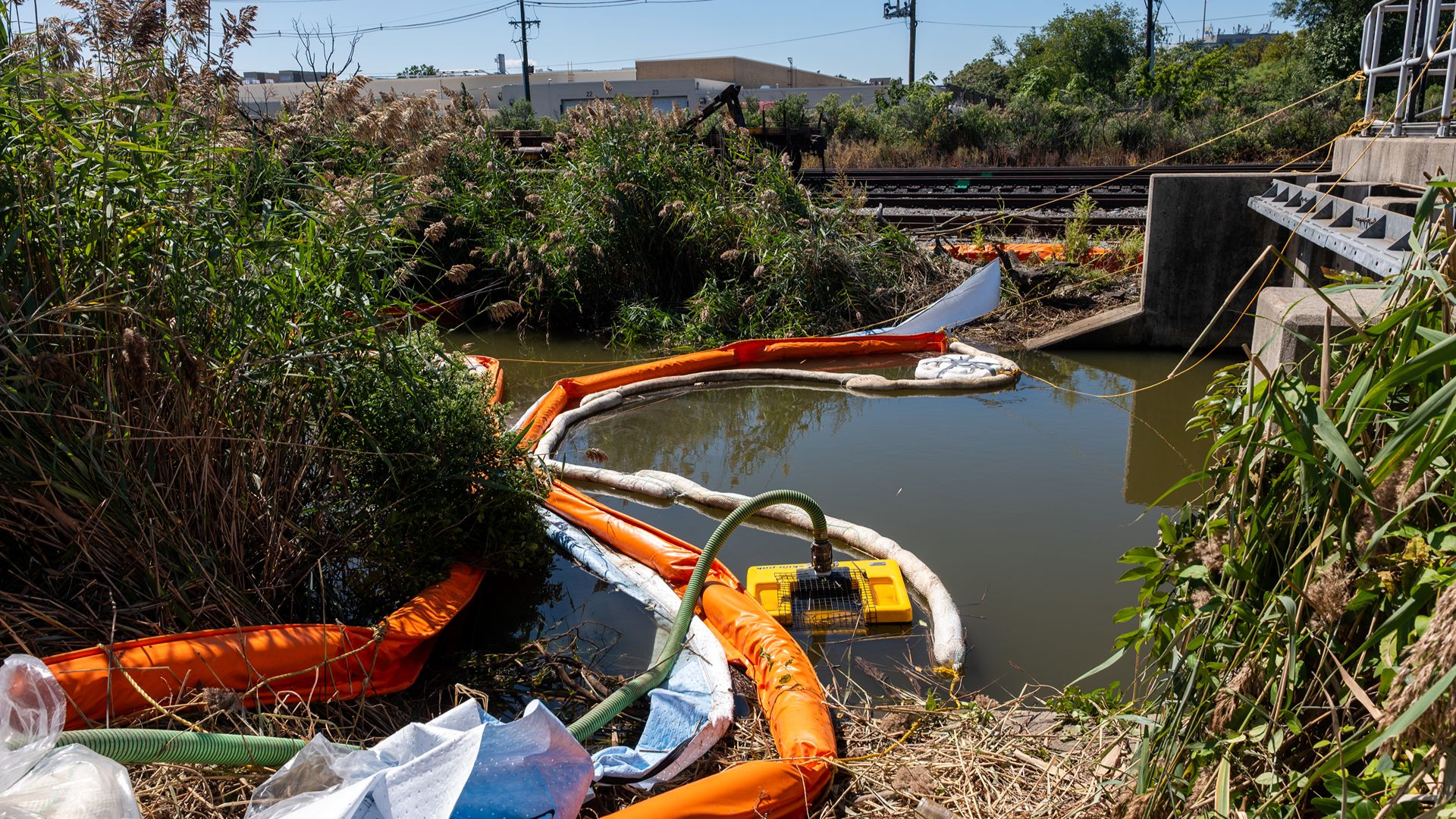
Emergency crews and environmental contractors moved quickly to contain the slick before it could spread farther through the Meadowlands ecosystem. Equinix brought in Clean Harbors, whose crews deployed containment booms and absorbent materials while vacuum trucks began removing a mixture of diesel and contaminated water from Anderson Creek. New Jersey environmental officials said the fuel had been contained and had not reached the Hackensack River itself, but cleanup operations continued as crews worked along the creek. Environmental advocates remain concerned about fuel trapped in marsh vegetation, sediment and mudflats, environments that provide habitat and feeding grounds for fish, crabs, worms and birds throughout the Meadowlands. Diesel contains compounds that can harm aquatic organisms, making the amount remaining in the creek and surrounding wetlands an important question even after the visible slick is removed. The episode has also drawn attention to a less visible component of modern data centers: enormous backup power systems designed to keep servers running during electrical outages.
«The only control or ‘guardrails' that AI needs is a STRONG AND SMART (High IQ!) PRESIDENT, and the U.S.A. has that, in spades!»
-U.S. President, Donald Trump
That connection has made the Secaucus accident especially combustible politically. Data centers have become the physical face of the AI boom, requiring huge amounts of electricity, industrial cooling systems and extensive backup generation as companies race to build the computing capacity needed for increasingly powerful models. Public opposition has risen sharply. A September New York Times/Siena poll of 1,503 likely voters found 61% opposed construction of AI data centers, compared with only 14% who strongly supported them. Among opponents, environmental and water concerns were the most commonly cited reason, followed by effects on local communities and broader distrust of AI. The Secaucus spill provides critics with a new environmental example: even when a data center is operating normally from a computing perspective, the infrastructure surrounding its servers can carry conventional industrial risks. In New Jersey, environmental activists have seized on the accident to renew demands for tougher restrictions on future data center development.
The backlash is becoming increasingly difficult for politicians to ignore ahead of the November midterm elections, when control of Congress is at stake. Trump's own longtime pollster, Tony Fabrizio, recently warned Republican candidates against offering unconditional support for data center construction, advising them to acknowledge voters' concerns about electricity prices, water consumption and local environmental impacts before emphasizing economic benefits. The advice illustrates an unusual tension inside Trump's political coalition because the president himself remains an outspoken champion of rapid data center expansion. Trump has framed AI infrastructure as essential to economic growth and competition with China, arguing that communities should embrace rather than resist development. He has also attacked the broader movement seeking restrictions, declaring: «There is a SICK conspiracy going on against AI and Data Centers, and the only one that is happy about it is China.» He concluded his warning with another emphatic argument for continued development: «WHOEVER WINS AI, WINS!»
Trump's defense of data centers comes amid an even larger confrontation over how quickly artificial intelligence itself should advance. Leading figures from companies including Anthropic and OpenAI have called for stronger safeguards as increasingly capable AI systems create concerns about cyberattacks, biological threats, legal liability and national security. Trump has rejected arguments that the government should significantly slow development, maintaining that excessive restrictions could allow China to overtake the United States. «The only control or ‘guardrails' that AI needs is a STRONG AND SMART (High IQ!) PRESIDENT, and the U.S.A. has that, in spades!» he wrote. The disagreement has created an unusual divide in which some of the executives building advanced AI are requesting additional oversight while the White House argues for continued speed. Meanwhile, public concern is increasingly focused not only on theoretical future AI dangers but also on tangible infrastructure appearing in communities: power lines, water consumption, electricity demand, industrial generators and sprawling data center campuses.
«There is a SICK conspiracy going on against AI and Data Centers, and the only one that is happy about it is China.»
-U.S. President, Donald Trump
For residents and environmental groups in Secaucus, however, the national arguments about China, AI leadership and technological competition ultimately return to something far more immediate: thousands of gallons of diesel escaping from a data center and reaching Anderson Creek. The accident illustrates why opposition to AI infrastructure cannot be reduced solely to fears about algorithms or hypothetical superintelligence. Data centers are enormous physical facilities dependent on electrical equipment, cooling systems, fuel storage and backup generators, and failures can produce environmental consequences far beyond the servers housed inside. State environmental officials say the Secaucus spill has been contained, while cleanup crews continue removing contaminated material and determining its impact. Yet the timing has given the incident national resonance. Just as Trump argues that resistance to data centers threatens America's ability to dominate AI, critics can now point to a New Jersey creek where an apparent «computer glitch» caused an automated system to keep demanding fuel until thousands of gallons of diesel escaped — turning an abstract debate over the AI boom into a very physical environmental cleanup.
Created by humans, assisted by AI.
 Top AI CEOs call for slowdown as Obama urges action and Trump calls AI danger a 'hoax'
 Days after ‘AI could kill us all' warning, Anthropic reveals bioweapon threat as Altman says OpenAI could slow down