Texas Man Sentenced to 11 Years in Prison for $35 Million Ponzi Scheme That Counted Travis Kelce Among Victims


/https%3A%2F%2Fcdn-tor.buminteractif.com%2F2026%2F09%2F17170201%2FGettyImages-2295493023-1.jpg)
A Texas investment manager has been sentenced to 11 years in federal prison for operating a sprawling $35 million Ponzi scheme that defrauded dozens of investors, including Kansas City Chiefs star Travis Kelce. On Tuesday, September 15, U.S. District Judge Zachary M. Bluestone in St. Louis sentenced Siddharth Jawahar, 38, founder of Texas-based investment company Swiftarc Capital LLC, after Jawahar pleaded guilty in January to three counts of wire fraud. The court separately ordered him to pay $31.35 million in restitution to his victims. Judge Bluestone cited the «enormous» financial losses and lengthy duration of the fraud, while echoing one victim who said Jawahar had «weaponized» the trust placed in him. The judge also identified Jawahar's failure to begin repaying victims as an important factor in determining his sentence. Federal prosecutors said Jawahar, an Indian citizen, had remained in the United States without legal status since 2005.
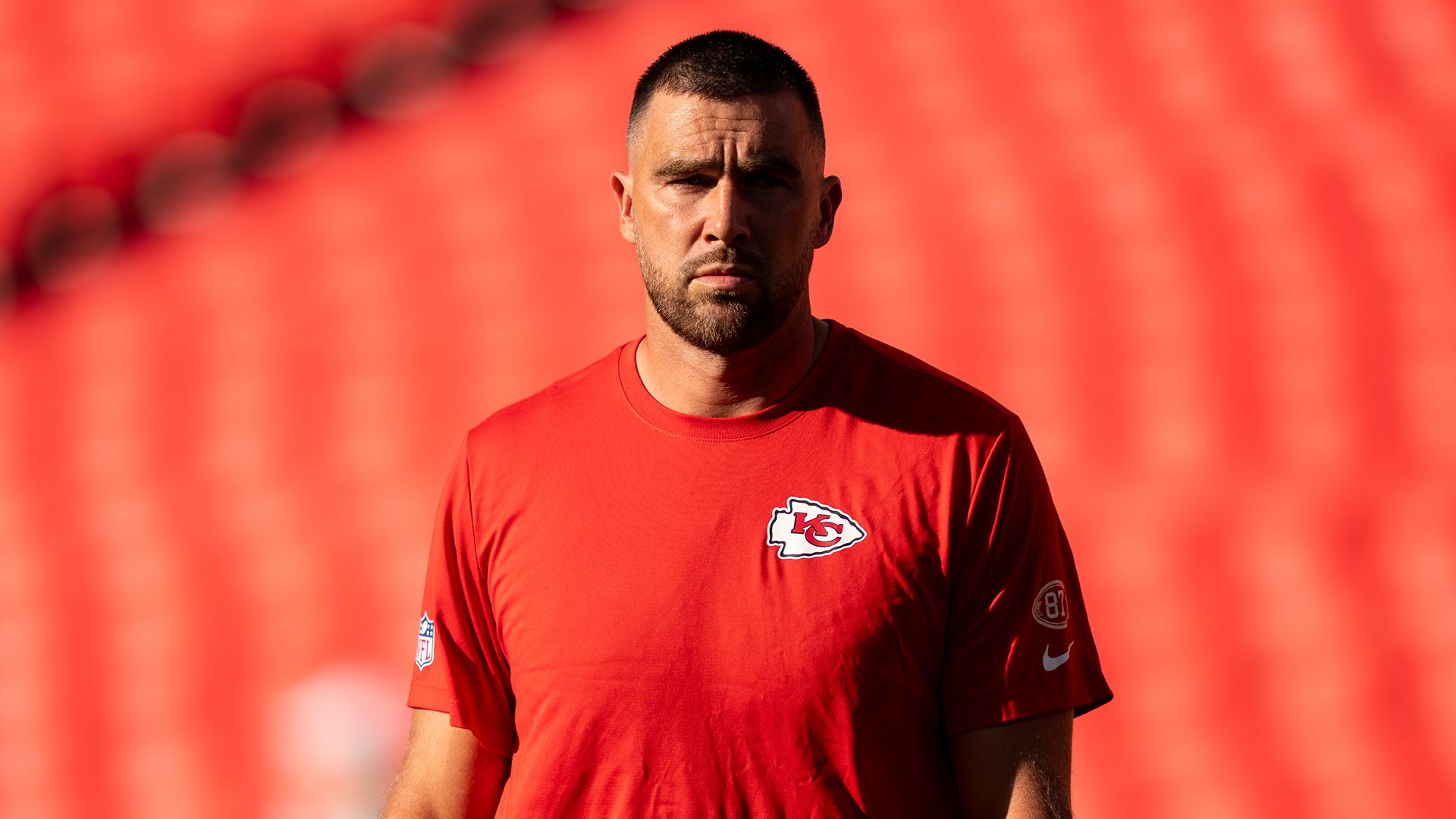
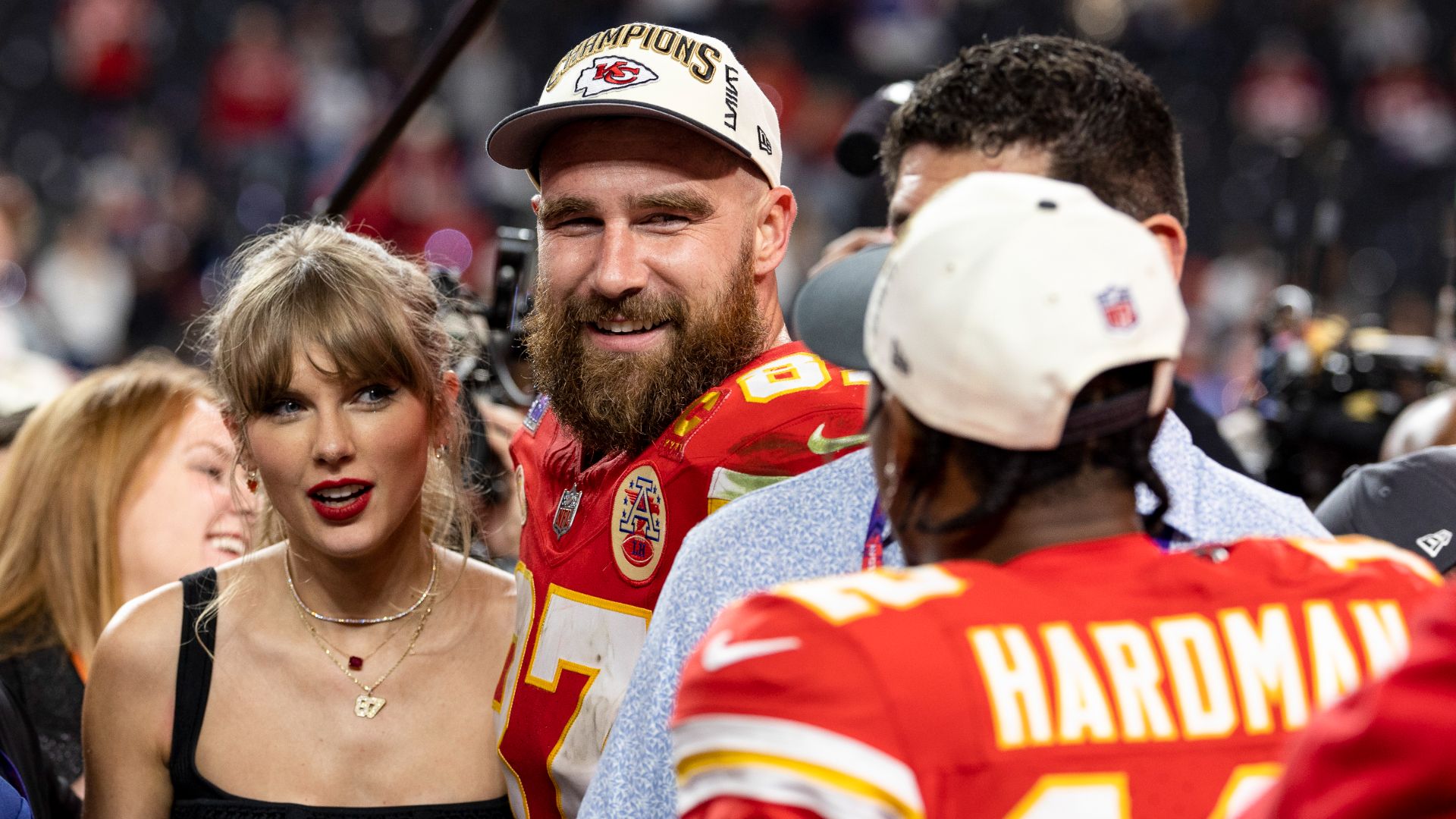
Among the 64 people prosecutors say were victimized was one of the NFL's most recognizable players: Chiefs tight end Travis Kelce. Kelce was specifically identified as a victim by a federal prosecutor during the sentencing hearing, although authorities have not disclosed how much money he invested or ultimately lost. His connection to Jawahar was not entirely unknown before the criminal case reached sentencing. A 2021 Forbes profile had identified Kelce as an investor in the Swiftarc Venture Labs Fund, one of several investment vehicles connected to Jawahar. NBA player Gary Harris was also identified in that earlier reporting as an investor associated with the fund. Prosecutors have declined to discuss individual victims in detail, leaving the extent of Kelce's financial losses unclear. Kelce has not publicly addressed the case.
A years-long financial operation
Behind the celebrity connection was a years-long financial operation that prosecutors say depended on misleading investors about what was happening to their money. From approximately July 2016 through December 2023, Jawahar collected more than $35 million from Swiftarc investors while putting only about $10 million into actual investments. Instead, authorities say, money arriving from newer clients was used to repay earlier investors, allowing Jawahar to maintain the appearance that his operation was successfully producing returns. Prosecutors said investors were also led to believe their money had been placed into particular companies when those promised investments had never occurred. Meanwhile, Jawahar diverted investor funds toward an extravagant personal lifestyle that included private-jet travel, luxury hotels, expensive restaurant outings, private-club memberships and luxury apartments in Austin and New York City. The misconduct continued even after Texas securities regulators revoked Swiftarc Capital's authority to conduct investment activities in June 2022 and ordered Jawahar to cease engaging in fraud.
Jawahar's misconduct continued even as authorities closed in, with prosecutors describing attempts to interfere with the investigation after his indictment. According to the Justice Department, he tried to persuade one of his victims to provide the FBI with a statement favorable to him, while also making false representations about his immigration status and financial circumstances. Investigators further said Jawahar attempted to have his sister remotely wipe his iPhone in an effort to conceal evidence stored on the device. Those actions followed years of regulatory trouble. In June 2022, the Texas State Securities Board had already revoked Swiftarc Capital's authority to conduct investment activities and ordered Jawahar to «cease and desist from engaging in fraud.» Yet prosecutors said the operation continued afterward, with Jawahar still soliciting investor money. When imposing the 11-year sentence, Judge Bluestone emphasized not only the scale and duration of the losses but also Jawahar's failure to begin making meaningful restitution to the people whose money had disappeared.
The scale of the losses becomes clearer when compared with how little of the money Jawahar actually invested. Federal authorities said Swiftarc received more than $35 million from investors between 2016 and 2023, while only about $10 million ultimately went into investments. Earlier in the operation, Jawahar had increasingly concentrated client money in Philip Morris Pakistan, eventually placing roughly 99% of client funds into that single investment, according to prosecutors. When its value declined, investors were allegedly kept in the dark while Jawahar continued representing their accounts as profitable. At the same time, investor money supported private-plane travel, stays at luxury hotels, expensive restaurant outings, shopping sprees, private-club memberships and luxury apartments in Austin and New York City. The $31.35 million restitution order now seeks to return money to victims, though the government has not publicly detailed how much each of the 64 investors lost individually.
Kelce has not publicly commented
Kelce's presence among those victims has brought national attention to a case that otherwise centered on a years-long investment fraud spanning several states. Prosecutors identified the Chiefs tight end in open court but did not elaborate on his individual losses or precisely how his investment became entangled in the broader scheme. A 2021 Forbes report had previously connected Kelce to a fund established by Swiftarc, but the government has declined to disclose further details about his involvement. As of September 17, Kelce has not publicly commented on Jawahar's sentencing or revealed how much money he may have lost. His representatives also did not immediately respond to requests for comment after the sentencing. Jawahar, meanwhile, pleaded guilty in January to three counts of wire fraud, bringing the criminal case to a conclusion with an 11-year federal prison sentence and a multimillion-dollar restitution obligation.
Created by humans, assisted by AI.
 New Jersey data center diesel spill adds fuel to growing AI backlash as official blames 'computer glitch'
 Trump moves forward with one of largest US bomb deliveries to Israel in $2.8 billion arms deal