

/https%3A%2F%2Fcdn-tor.buminteractif.com%2F2026%2F09%2F18180641%2FGettyImages-2282759133.jpg)
With Mark Carney making headlines and headway at the EU Parliament in Strasbourg, France, politicians from Canada and the US are making their thoughts known. On September 16, 2026, EU Commission President Ursula von der Leyen officially extended an offer to Canada, inviting the North American country to become the EU's first ‘associate member'. The unprecedented offer came after Carney spent the last year travelling across Europe and Oceania, in hopes of forming ties with ‘middle powers' amid Donald Trump's trade war with Canada. Now, both Donald Trump and Pierre Poilievre have made comments on the possibility of Canada joining the EU as the first associate member.
Poilievre questions Carney's trustworthiness
Pierre Poilievre, the leader of the federal Conservative Party, who suffered the biggest upset loss in Canadian political history against Mark Carney in 2025, called into question Carney's trustworthiness after the news of Canada and the EU was announced. In a social media post, Poilievre pointed to comments that Carney made less than a week earlier. On September 13, Carney claimed that Canada is not looking to become a member of the European Union. This is a far cry from what Carney said days later in France, when he claimed that Canada was ambitiously pursuing associate membership. Poilievre pointed to the two contradictory comments,
How can Canadians trust Prime Minister Mark Carney when he says one thing in Canada and the opposite in Europe?
Pierre Poilievre
How can Canadians trust Prime Minster Mark Carney when he says one thing in Canada and the opposite in Europe?
Conservatives are clear: yes to free trade and NATO defence cooperation with Europe. No to forcing EU taxes, EU laws, & EU's radical open-border immigration policy on… pic.twitter.com/2WLShAKksx
— Pierre Poilievre (@PierrePoilievre) September 17, 2026
Trump questions hostility
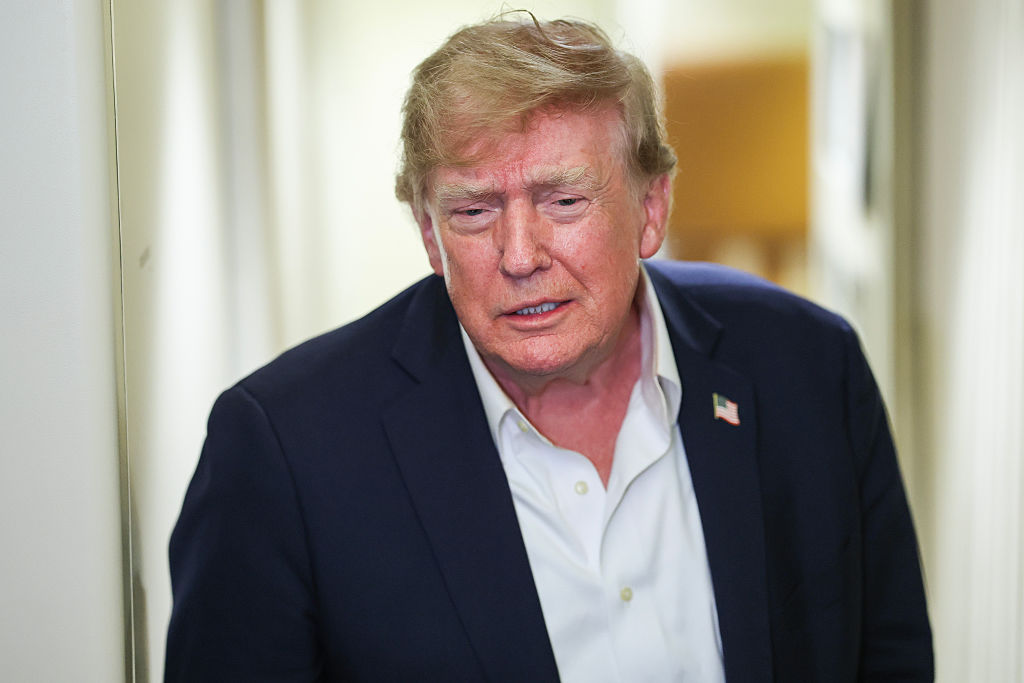
Down south, Donald Trump also made multiple comments about the possibility of Canada joining the EU, and they weren't positive. Trump threatened both Canada and the EU with potential tariffs, and questioned whether the potential deal could be labelled as a hostile act. If the US officially labels Canada joining the EU as a hostile act, Trump could potentially vie for Canada to be labelled as a hostile nation to the United States. Trump could potentially use the decision to justify further cutting trade ties with Canada.
If I think it's at all a hostile act, I will put very serious tariffs or stop trading with Europe on many things.
Donald Trump
With Canada and Mark Carney openly searching for options to lessen the country's reliance on American trade, Donald Trump responded to the EU and Canada on September 17, threatening to levy tariffs on anything his team could round up. Trump called the idea of Canada joining the EU laughable, and threatened to cut trade ties with the EU. According to Trump, America could easily cut trading ties with the EU, or implement sweeping tariffs that Trump says would cripple the EU's economy. Trump used the opportunity to call Canada a terrible trading partner and to warn the EU against creating ties with the country. Trump said that if he believes that Canada joining the EU is a hostile act against the US, he would impose consequences for both Canada and the European Union.
Canada and EU countries balking?
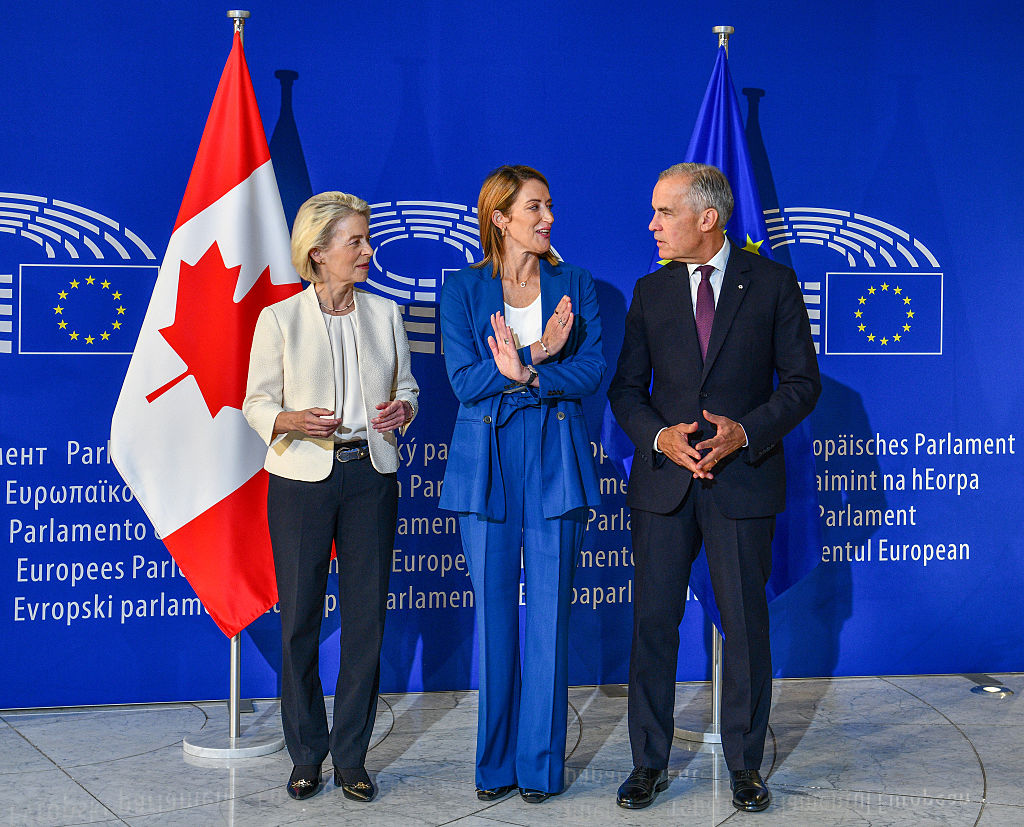
While both Mark Carney and Ursula von der Leyen made Canada's associate membership seem like something that was universally desired by both the EU and Canada, the announcement took both parties by surprise. According to reports from POLITICO, the European Commission president's offer to Canada is creating a diplomatic headache for EU countries. The idea was reportedly not run by European capitals in advance and has caused considerable confusion.
Canadian politicians are also slowly dispelling the fact that Canada will become a member of the EU. Canada's incoming ambassador to the EU, Jonathan Wilkinson, immediately cooled the temperature on the issue. Wilkinson claimed that ‘we aren't there yet' regarding Canada becoming an associate member of the European Union. There is another problem with von der Leyen's offer: nobody is actually sure what ‘associate member' means. The Commission president implied that Canada would essentially be a member, and the term is being used to circumvent EU legislation, but nobody has confirmed the details of what Canada in the EU would look like.
