/https%3A%2F%2Fcdn-tor.buminteractif.com%2F2026%2F09%2F21145746%2Fcouverture.jpg)
- A case that was thought to be buried is back in the news.
- Duhaime and the PSPP are holding firm on two opposing positions.
- Fréchette is proceeding cautiously on the issue.
- A poll reveals strong opposition near the residences.
- The debate could hold a few surprises.
There are issues we think are buried until the day they resurface. Shale gas is precisely one of those. While the election campaign is focused on health care, the economy, the cost of living, and the future of Quebec, hydrocarbon extraction is back in the spotlight.
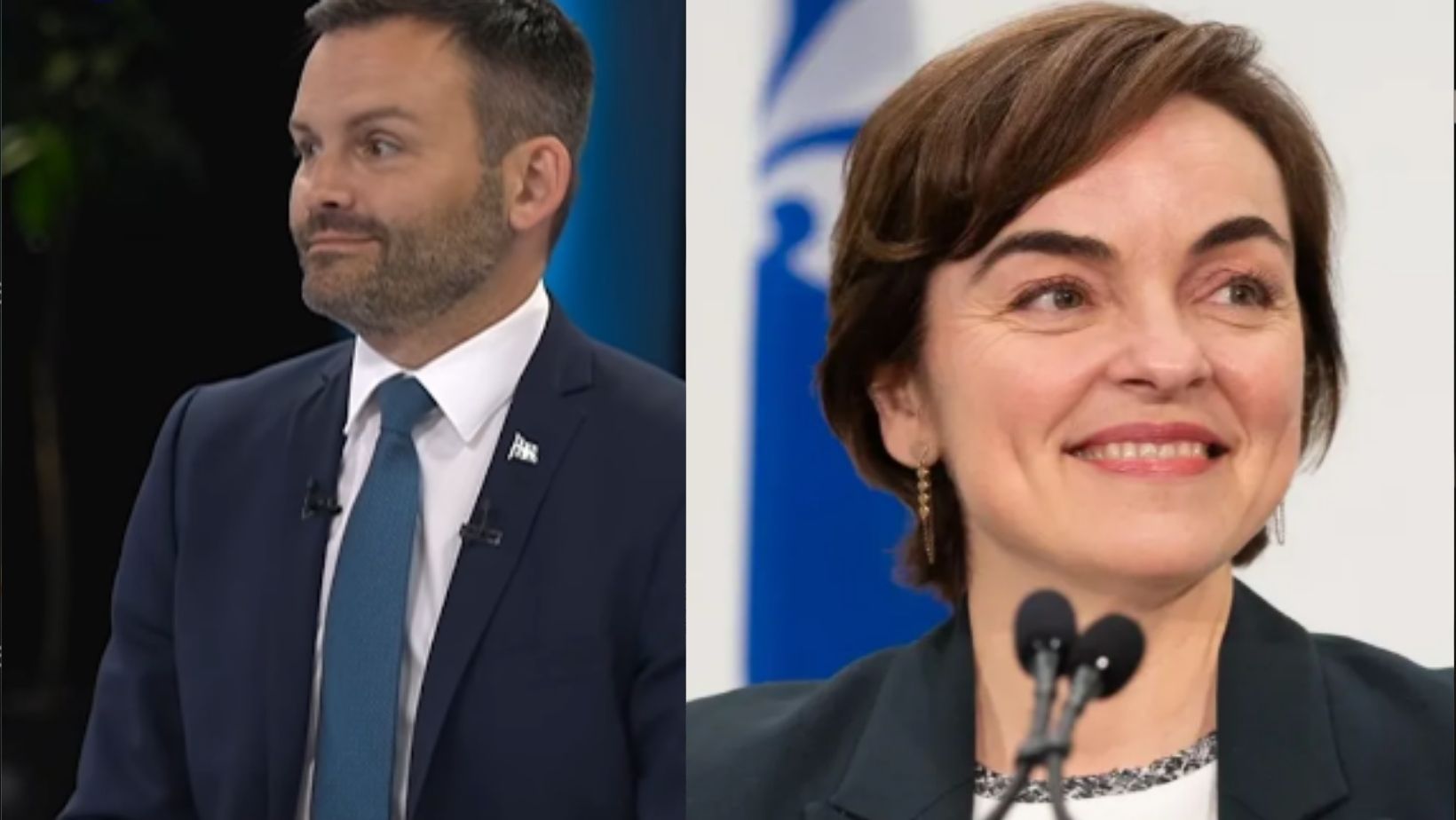
Éric Duhaime supports shale gas extraction, bringing back into the debate an issue that had deeply divided Quebec. For his part, Paul St-Pierre Plamondon opposes it, while Christine Fréchette takes a more cautious stance.
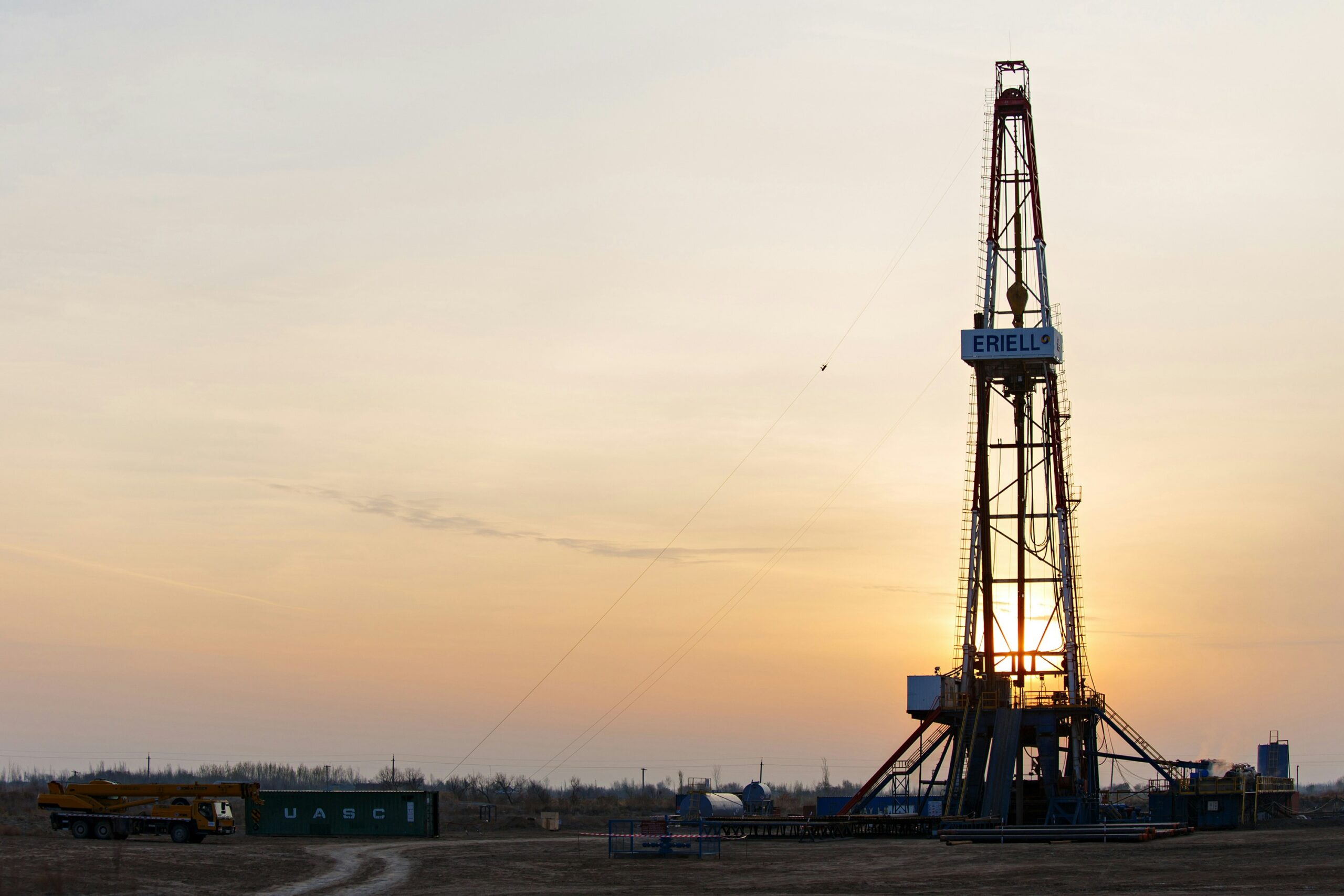
The issue is all the more sensitive because it directly affects the local landscape and residents' immediate surroundings. A poll commissioned by the Parti Québécois indicates that 65% of respondents would not want to see a shale gas well near their home.
Behind the energy debate, therefore, lies a much more concrete question: How far are we willing to go to exploit our resources when they are just a few kilometers from our homes?
And that is perhaps where shale gas becomes politically explosive. On paper, we talk about resources, energy, and development. On the ground, we talk about neighbors, land, and wells.
An Issue That Still Divides
The resurgence of the shale gas debate serves above all to highlight significant differences among the political parties. Duhaime is open to development, while PSPP maintains its opposition. Fréchette, for her part, is proceeding with greater caution on an issue that remains sensitive.
The debate, therefore, goes far beyond the question of whether there is still gas in Quebec's subsoil. It also centers on what Quebec wants to do with its resources and the conditions under which their extraction might be acceptable.
And the poll commissioned by the PQ adds a fact that's hard to ignore. When a majority of respondents reject the idea of a well near their homes, the discussion quickly moves beyond the theoretical realm.
When the Subsoil Comes to the Surface
Shale gas has already left a significant mark on the Quebec debate. Its resurgence during the campaign serves as a reminder that no issue is ever completely off the table as long as a question remains unresolved.
For Duhaime, extraction represents a possible avenue. For PSPP, it remains an option to be ruled out. For Fréchette, the issue calls for greater caution. These three approaches clearly show that the energy question isn't simply a matter of turning a tap on or off.
Because, at the heart of the matter, the real issue may not be just what Quebec has beneath its feet, but what Quebecers are willing to have in their own backyards. And in politics, issues we think are buried can always resurface when we least expect it. Shale gas has thus found a new way to make its way into the campaign: in politics, as in geology, certain tensions always end up resurfacing.