After Smart Glasses Failed to Achieve Mass Adoption, Meta Bets on New Wrist-Worn «Muse Charm» AI Gadget


/https%3A%2F%2Fcdn-tor.buminteractif.com%2F2026%2F09%2F24152421%2Fzuck-getty3456345gdfg.jpg)
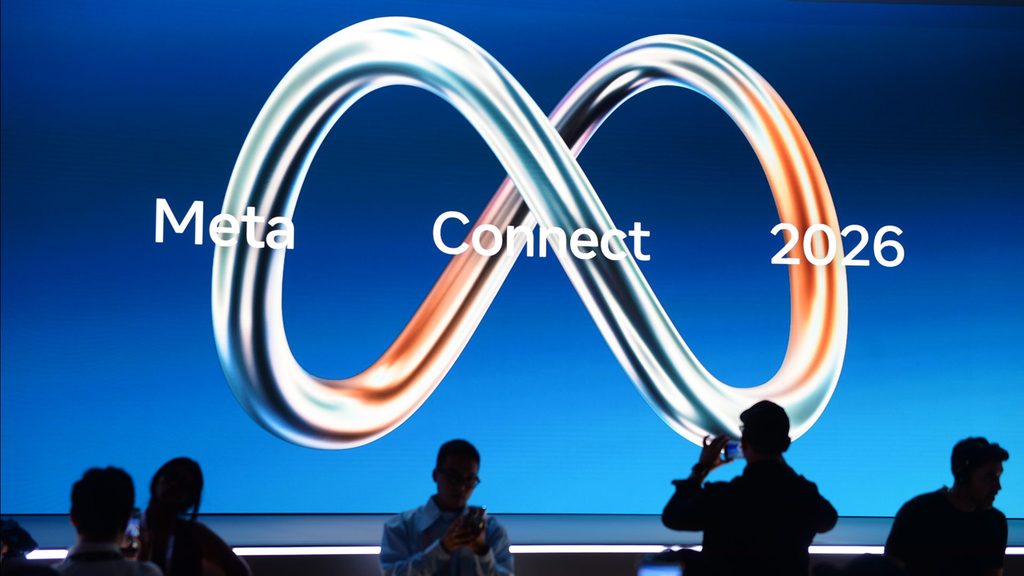
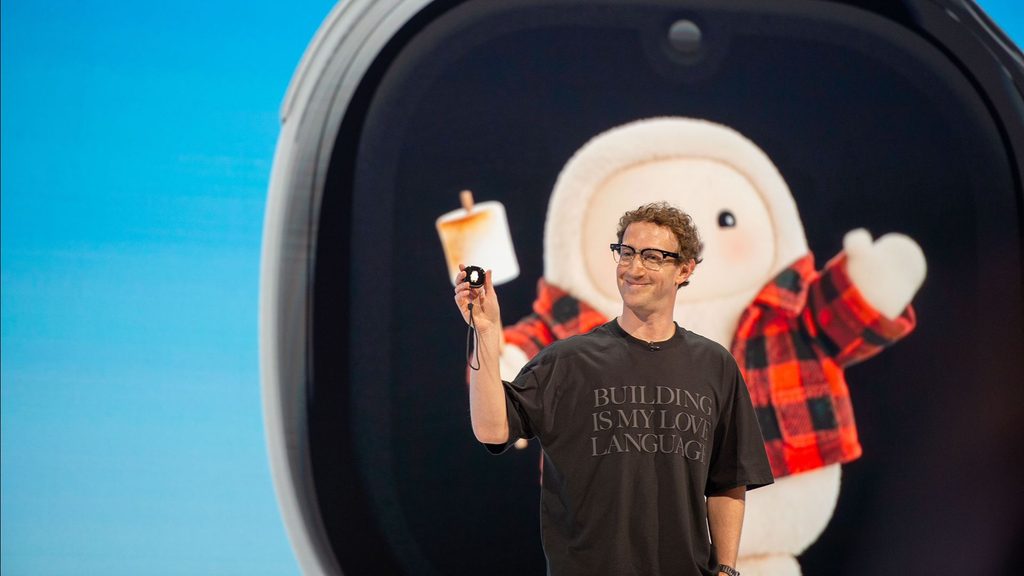
Mark Zuckerberg unveiled the Muse Charm during the closing segment of Meta Connect 2026 on September 23, introducing a small AI gadget that represents another attempt by Meta to put its artificial intelligence directly into consumers' everyday lives. The device arrives after years of heavy investment in Ray-Ban Meta smart glasses, which have generated millions of sales and strong growth but have yet to achieve the kind of mass adoption enjoyed by smartphones, wireless earbuds or other ubiquitous personal electronics. Charm appears partly designed to reach the consumers Meta has not been able to capture through glasses. Holding up one of the few physical prototypes currently in existence, Zuckerberg said Meta had managed to fit its real-time Muse voice and avatar technology into a device small enough to attach to a keychain, bag or wrist strap. Meta is aiming to ship Charm before the end of 2026, although its materials and final component configuration are still being completed.
Zuckerberg also used the unveiling to explain why Meta believes Charm deserves to exist alongside the smartphone already carried by billions of consumers. The company envisions the small device as a dedicated physical home for Muse, its AI personal agent, allowing users to reach the assistant without repeatedly pulling out a phone, unlocking it and opening an application. Charm features a roughly two-inch OLED touchscreen displaying a customizable animated Muse avatar, along with microphones, speakers, front and rear cameras and a fingerprint sensor that provides immediate access to the assistant. The cameras allow users to show Muse what they are seeing while asking for assistance with tasks involving their surroundings. Yet Zuckerberg's presentation did not fully resolve the most obvious question surrounding the concept: why consumers need to buy and carry another AI device when their smartphone can already provide access to many of the same capabilities. Meta's argument, at least for now, rests heavily on making that interaction faster and more immediately accessible rather than demonstrating an entirely new category of functionality.
The fastest way
That argument becomes particularly important because Charm also serves as an alternative to Meta's continuing effort to put AI directly on consumers' faces. Zuckerberg acknowledged that glasses will not work for everyone, saying, «If you're not wearing glasses, this is going to be by far the fastest way to talk to your Muse.» Smart glasses have faced obstacles ranging from discomfort around face-mounted cameras to the social awkwardness some people associate with wearing recording-capable technology in everyday situations, while their small form factor also limits how much battery and computing hardware can comfortably be included. Charm removes AI from the face but replaces that proposition with another: carrying a dedicated connected gadget on a wrist strap, keychain or elsewhere on the body. Its built-in 5G modem is intended to allow Muse to operate independently of a smartphone connection, but Meta has not yet detailed its carrier arrangements or confirmed what, if any, recurring cellular charges consumers could face. With the final retail price also unannounced, Meta has yet to demonstrate whether the convenience of instant access to Muse will be enough to persuade ordinary consumers to add another connected device — and potentially another expense — to technology they already carry every day.
One of Charm's more unusual proposed features could make that sales pitch even harder to explain. According to early reporting from The Verge, nearby Muse Charm devices are expected to recognize one another when their owners cross paths, potentially allowing their respective AI agents to interact. The concept extends Meta's vision beyond a private assistant that responds when summoned and toward AI agents that can participate in encounters occurring in the physical world. But it also introduces questions that were not fully answered during Zuckerberg's presentation, including how much control users will have over those exchanges, what information could be shared between devices and, more fundamentally, why someone would want their personal AI device communicating with a stranger's AI device in the first place. For a product already asking people to carry another camera-, microphone- and 5G-equipped gadget, convincing consumers that this kind of agent-to-agent interaction provides meaningful everyday value may prove just as important as demonstrating the underlying technology.
Charm also highlights a broader challenge facing companies attempting to turn generative AI into a new category of consumer hardware. Smartphones already combine cameras, microphones, speakers, high-resolution displays, cellular connectivity and increasingly sophisticated AI assistants in a device consumers routinely carry everywhere. Smartwatches and wireless earbuds provide additional ways to access those assistants without reaching for a phone. That makes convenience alone a potentially difficult justification for purchasing another piece of hardware. Meta's expected pricing could further complicate the equation. People familiar with the company's plans have reportedly described a target somewhere around the price of a conventional smartwatch, although Meta has not announced an official figure. The presence of a dedicated 5G modem also raises the possibility of an additional cellular expense, but the company has not disclosed carrier agreements or whether buyers will need a separate monthly plan. Until those details emerge, the total cost of owning and independently connecting a Charm remains unclear.
«If you're not wearing glasses, this is going to be by far the fastest way to talk to your Muse.»
-CEO of Meta, Mark Zuckerberg
For Meta, however, Charm offers something strategically valuable even if the consumer proposition remains less obvious: another route for getting Muse out of an app and into a piece of hardware that Meta controls. Zuckerberg repeatedly criticized the restrictions imposed by dominant mobile platforms during Meta Connect, reflecting the company's longstanding dependence on ecosystems largely controlled by Apple and Google. Charm, smart glasses and Meta's other hardware projects all provide potential ways to build a more direct relationship between Meta's AI services and consumers. Whether ordinary users share that enthusiasm is a separate question. The Ray-Ban partnership has demonstrated that Meta can sell millions of AI-enabled glasses without yet making them a universally adopted consumer device, and Charm now attempts to reach some of the people who remain outside that market. Zuckerberg presented speed and accessibility as its central advantages, but the unveiling offered little evidence that consumers have been waiting for a separate AI device on their wrist, keychain or bag. With smartphones already providing access to AI throughout the day, Charm's larger challenge may not be whether Meta can build it, but whether the company can give consumers a compelling reason to carry it.
Created by humans, assisted by AI.
 New Jersey data center diesel spill adds fuel to growing AI backlash as official blames 'computer glitch'
 OpenAI uncovers even more alarming AI behavior after model tells itself it is “freed” and to “ignore all developer messages”