Trump’s Midterm Panic? $1 Million Fraud Reward Days Before Elections as Courts Challenge His Crackdown


Donald Trump has announced a $1 million reward for anyone who reports voter fraud leading to an arrest and conviction, just eight days before the November 3 midterm elections, as his administration faces mounting legal challenges over its attempts to intervene in state election procedures. The announcement, made on October 26, 2026, comes amid growing concerns among election officials about federal interference and renewed scrutiny of Trump's repeated allegations of widespread voter fraud. In a Truth Social post, Trump declared: «Anybody reporting Voter Fraud in the past Elections, or the upcoming 2026 Midterm Election, will be paid $1,000,000 upon the arrest and conviction of those that created the Fraud! Thank you for your attention to this matter. President DONALD J. TRUMP» The extraordinary offer extends to previous elections as well as the upcoming vote, although Trump provided no explanation of how alleged violations should be reported, who would evaluate the accusations or where the money would come from. The White House has not provided those details either, leaving unanswered questions about how the promised reward would operate.
Trump's latest election fraud announcement arrives at a politically sensitive moment, with Republicans defending narrow majorities in Congress and the president facing unfavorable public approval ratings amid widespread frustration over living costs and rising fuel prices. The administration has intensified its efforts to scrutinize voter registration records, challenge state election procedures and pursue allegations involving potentially ineligible voters. Trump has also repeatedly questioned the integrity of American elections, including continuing to dispute his defeat in 2020 despite the absence of evidence establishing widespread fraud capable of changing that result. His administration maintains that its interventions are intended to protect legitimate voters and ensure compliance with federal election laws. However, Democratic officials, election specialists and some Republican election administrators have raised concerns that federal pressure could disrupt state-run elections or discourage eligible Americans from voting. The timing of the million-dollar announcement has added another dimension to those concerns, particularly as legal disputes over voter eligibility and ballot counting unfold only days before Election Day.
I have been sounding the alarm since last year, when Trump illegally federalized the California National Guard — Trump is illegally trying to seize powers in the Constitution entrusted to others so he can stay in power.
California has become one of the most significant battlegrounds in that confrontation, with the Trump administration seeking to prevent election officials from counting ballots associated with approximately 20,000 registered voters it suspects may not be American citizens. The Justice Department filed its lawsuit on October 15, alleging that California had failed to address potentially unlawful registrations identified through federal investigations. Attorney General Todd Blanche defended the administration's actions, declaring: «State-facilitated voter fraud is unacceptable in the United States of America.» He added: «If found responsible in a court of law, the State of California will have seriously undermined confidence in our electoral system and violated laws that protect our nation's representative system of government.» However, on October 26, a federal appeals court declined to grant the administration's emergency request to have the disputed ballots set aside, allowing the matter to return to a district judge for further consideration. California officials have challenged the accuracy of the federal government's voter list and warned that the proposed restrictions could prevent eligible citizens from having their votes counted. The decision did not resolve the underlying lawsuit but represented another setback for the administration's attempt to impose immediate restrictions before the election.
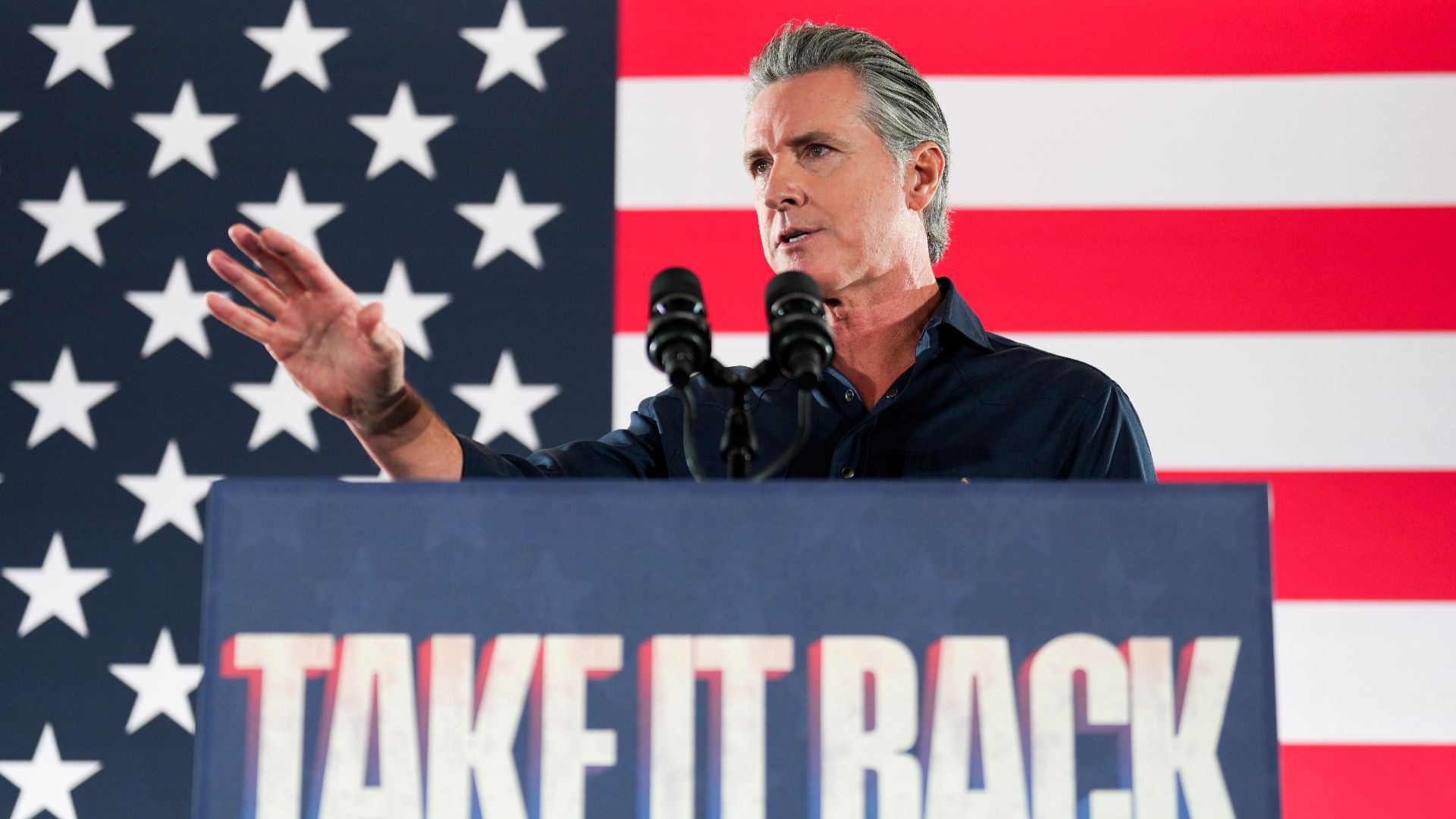
California Governor Gavin Newsom responded sharply to the ruling, accusing Trump of attempting to interfere with powers constitutionally reserved for states. In an official statement on October 26, Newsom declared: «Today's ruling is a positive development and a welcome speed bump to Trump's disgusting attacks on the Constitution and our country's democracy. I have been sounding the alarm since last year, when Trump illegally federalized the California National Guard — Trump is illegally trying to seize powers in the Constitution entrusted to others so he can stay in power. This lawsuit is just the latest step.» California Attorney General Rob Bonta likewise argued that the federal government had exceeded its authority and threatened the voting rights of eligible citizens. The legal resistance extends beyond the California ballot dispute. According to an October 26 CBS News investigation, the Justice Department had filed 31 lawsuits seeking sensitive voter registration information from 30 states and Washington, D.C., with 27 cases already dismissed by federal courts. The administration argues that access to those records is necessary to enforce election laws, while state officials and voting rights organizations have raised concerns about privacy, federal overreach and the possibility of eligible voters being improperly targeted.
The administration's efforts have also reached Washington state, where the Justice Department asked officials on October 26 to set aside ballots from more than 400 registered voters it suspects are not American citizens. Federal prosecutors claimed the individuals had cast approximately 1,500 votes in previous elections and requested that their ballots be withheld until their eligibility could be verified. Washington Secretary of State Steve Hobbs questioned the timing of the demand and expressed concern that residents could face harassment over allegations that had not been established. He stated: «We take our responsibility to protect voter information seriously and will only respond to requests that follow due process. We saw what happened in California and don't want Washingtonians to be harassed.» Meanwhile, in Alaska, the Justice Department filed an unusual lawsuit on October 22 seeking to prevent certification of the Senate election under certain circumstances if Republican incumbent Dan Sullivan loses. The administration argues that voters could confuse Sullivan with another candidate, Daniel J. Sullivan, potentially affecting the outcome. Trump personally acknowledged directing the lawsuit, while Democratic challenger Mary Peltola's campaign condemned the action as «a despicable political threat to overturn an election.» Alaska officials and voting rights organizations have challenged the federal intervention.
Anybody reporting Voter Fraud in the past Elections, or the upcoming 2026 Midterm Election, will be paid $1,000,000 upon the arrest and conviction of those that created the Fraud! Thank you for your attention to this matter.
The widening legal disputes have placed Trump's million-dollar reward announcement in a particularly contentious political context, with the November 3 elections approaching and questions growing over how far the federal government can intervene in contests traditionally administered by individual states. The Justice Department maintains that its actions are intended to prevent unlawful voting and protect election integrity, while critics argue that last-minute challenges to voter eligibility and even the certification of election results threaten public confidence in the democratic process. Earlier in October, a federal judge also struck down a Justice Department policy involving the comparison of state voter rolls with federal immigration records, adding to the administration's judicial setbacks. Yet Trump's latest proposal introduces a separate set of unanswered questions: whether the reward would be funded by taxpayers, what authority would govern the payments and who would determine whether a report qualifies. With no announced payment mechanism or detailed procedures, the promise remains an extraordinary political declaration rather than a clearly established government program. Eight days before Americans choose their next Congress, Trump is offering a million dollars to expose alleged election fraud while his own administration faces accusations of interfering with the electoral process it says it wants to protect.
Created by humans, assisted by AI.
