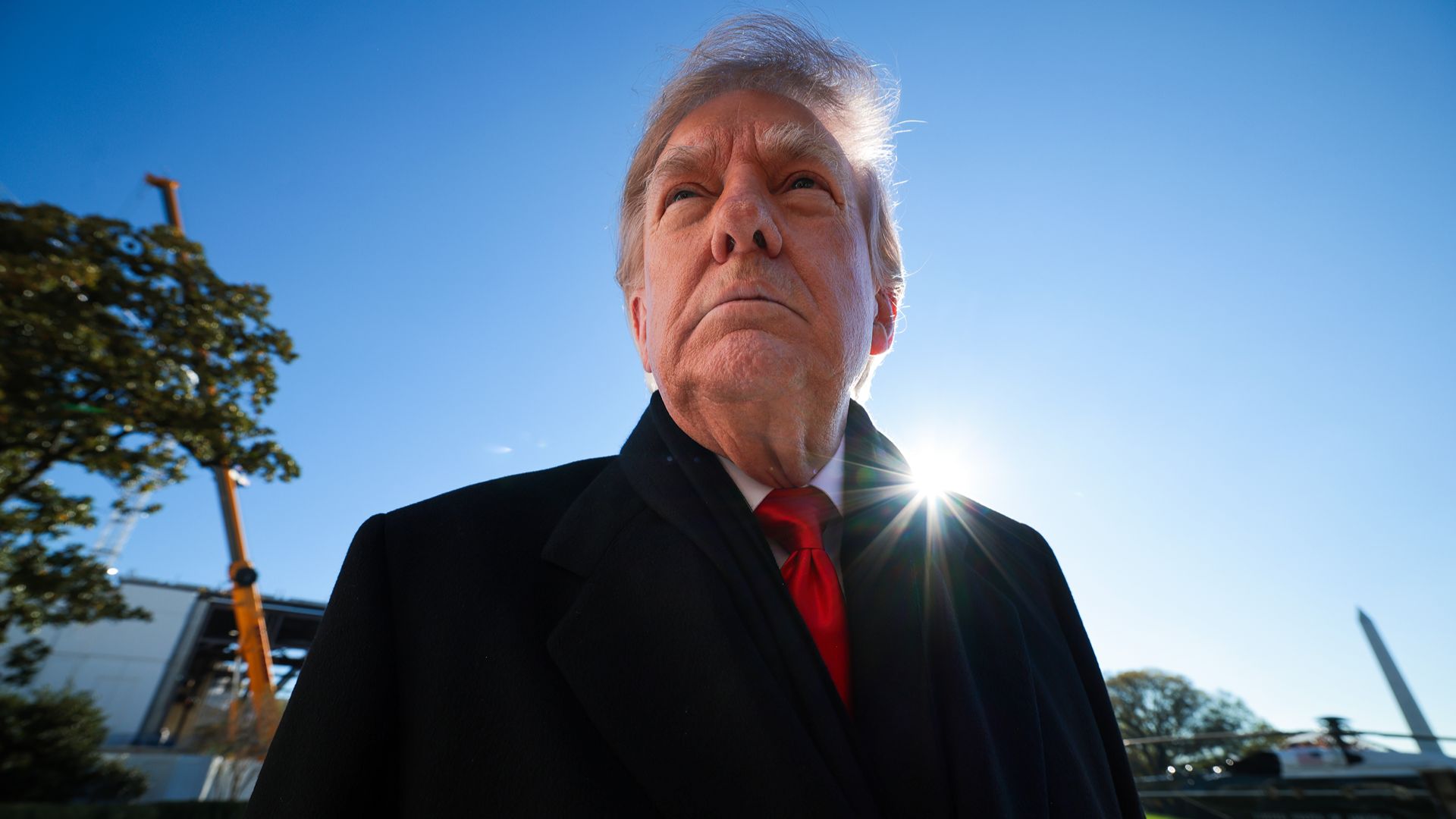
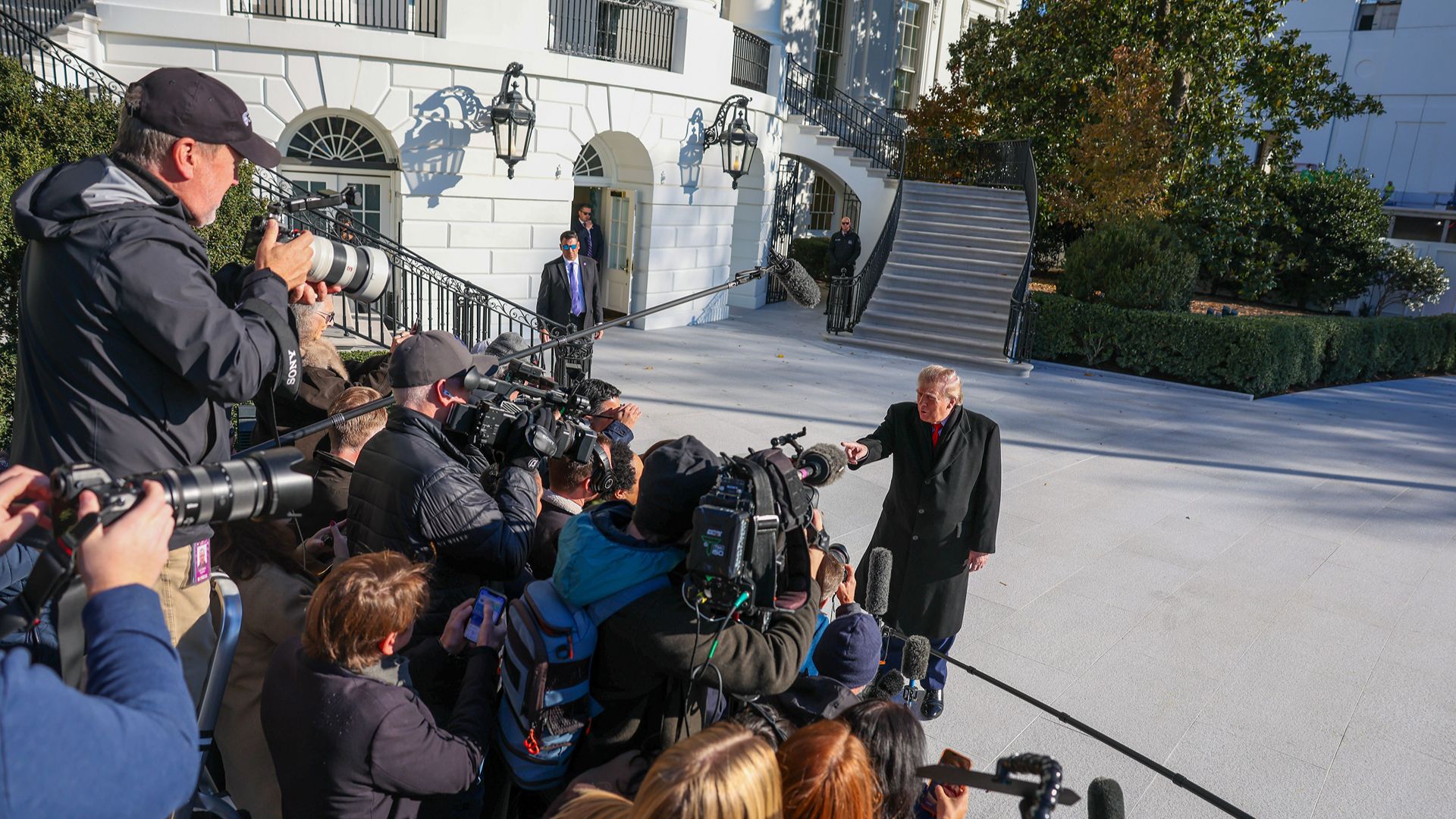
Donald Trump launched a series of racially charged remarks and personal insults against Black NBC News journalist Yamiche Alcindor on Monday, November 16, after she questioned his focus on White House renovations while the United States was confronting the aftermath of its most severe nationwide aviation shutdown since September 11, 2001. The confrontation unfolded as the Trump administration sought an additional $50 billion to modernize the country's aging air traffic control infrastructure, raising questions about the president's priorities following the unprecedented disruption. Alcindor asked Trump to respond to criticism that he had devoted too much attention to construction projects in Washington while essential aviation systems were deteriorating under Republican control. Instead of addressing the broader criticism directly, Trump defended the appearance of the White House before turning his attention toward the journalist herself. He suggested that Alcindor would not recognize dirt or damaged windows because of where she came from, a remark that drew accusations of racism for appearing to invoke stereotypes about the surroundings a Black journalist would supposedly consider normal. The exchange quickly shifted from questions about government accountability to a confrontation over Trump's personal comments and his treatment of the reporter.
The president initially defended his renovation efforts by insisting that the White House was in exceptional condition following repairs carried out under his supervision. His response soon became personal, however, when he told Alcindor, «I know you don't see dirt.» Trump then suggested that she would not recognize broken windows because of her background, telling her, «But if you take a look at the White House, you never noticed broken windows, obviously, from where you come.» The remarks were made directly to Alcindor, a Miami-born journalist of Haitian descent, despite her question having nothing to do with her personal background. Trump continued by claiming that the presidential residence previously had 18 damaged windows and deteriorating exterior plaster, describing its former condition as embarrassing. He argued that his involvement in the repairs amounted to only about ten minutes daily because he had access to experienced construction professionals. As Alcindor attempted to redirect the conversation toward the country's aviation infrastructure, Trump continued discussing improvements to the White House, including the presidential helicopter landing area and his proposed ballroom, which he maintained would address a longstanding need for a larger ceremonial space.
But if you take a look at the White House, you never noticed broken windows, obviously, from where you come.
Alcindor repeatedly challenged Trump's explanation, attempting to establish whether he accepted responsibility for the condition of the nation's air traffic control system and whether additional resources should have been directed toward repairing it. As she pressed the president about funding, he interrupted her with the insult, «Oh, you're so pathetic.» Rather than ending the exchange, Alcindor continued pursuing her questions while Trump described the White House as a national symbol that required proper maintenance. He defended the time spent on renovations, pointed toward damaged architectural features and insisted that certain repairs had cost relatively little money, claiming that he had personally paid for them. His criticism of the journalist then escalated further, with Trump questioning her ability to recognize deteriorating stonework and dismissing her professional judgment. He eventually referred to people raising such questions as «losers like you», directing the insult at Alcindor as she sought an explanation of his priorities. Throughout the confrontation, the reporter's central concern remained whether the administration had devoted sufficient attention and funding to essential aviation infrastructure before the nationwide breakdown, while Trump's responses repeatedly returned to the appearance and maintenance of the White House.
The confrontation followed an extraordinary failure of the nation's aviation infrastructure on Friday, November 13, when the Federal Aviation Administration ordered a nationwide halt to departing flights after serious communications problems disrupted air traffic control operations. The grounding lasted approximately four and a half hours, making it the longest nationwide shutdown of its kind since the September 11, 2001, terrorist attacks, although the latest incident was caused by technical problems rather than any confirmed deliberate attack. Federal officials said the disruption began during routine work by government contractor L3Harris to replace aging copper telecommunications lines with modern fiber-optic connections. A malfunctioning or improperly configured router apparently overwhelmed other equipment, interfering with communications and radar information used by controllers across the country. Subsequent investigations indicated that 17 of the FAA's 22 regional air traffic control centers experienced instability, forcing authorities to suspend departures while technicians isolated the problem. Thousands of flights were canceled or delayed, with disruptions continuing throughout the weekend as airlines worked to reposition aircraft and crews. Officials reported no evidence of a cyberattack, but the precise technical cause remained under investigation, raising serious questions about how a single equipment failure could disrupt aviation operations nationwide.
The scale of the shutdown intensified scrutiny of the Trump administration's funding priorities, particularly after Transportation Secretary Sean Duffy demanded an additional $50 billion to modernize the air traffic control system. Just one day before the emergency, the administration had submitted a request for approximately $30.1 billion, making the subsequent increase of nearly $20 billion especially controversial. The demand came despite Congress having already approved $12.5 billion for FAA modernization in 2025, money intended to replace outdated communications technology, improve radar infrastructure and support other essential upgrades. Democratic Representatives Rick Larsen and André Carson questioned why lawmakers should approve another massive investment when, according to their figures, approximately $4.3 billion of the previously authorized funding had been obligated to specific projects and only about $1 billion had actually been spent. Duffy has maintained that the existing allocation represents only an initial investment and that contractors require additional funding to proceed with a comprehensive overhaul. However, aviation specialists have also questioned whether additional spending alone would prevent similar failures, emphasizing the importance of careful implementation, contractor oversight and backup systems. The controversy provided the immediate context for Alcindor's questions about whether the president had devoted sufficient attention to aviation infrastructure while overseeing construction projects at the White House.
I know you don't see dirt.
Trump, meanwhile, has repeatedly attempted to shift responsibility for the aviation crisis toward the Biden administration, arguing that the country's outdated systems were inherited rather than created under his leadership. In a November 15 Truth Social post, he declared, «The Biden Administration was an FAA disaster. Everything they touched turned bad. Big money spent unwisely, making an old and broken system worse than when they began.» He also urged Congress to provide the additional resources needed for a comprehensive modernization program, promising that the United States could develop a substantially improved air traffic control network. However, Duffy has acknowledged that the underlying infrastructure problems accumulated over decades, extending across multiple presidential administrations. The financial dispute has unfolded alongside Trump's continued promotion of White House renovations, including improvements to the building's exterior, the presidential helipad and his proposed ballroom. Trump insists that these projects require little of his personal time and has claimed that he pays for certain repairs himself, although those assertions do not establish the total costs or financing arrangements for every project. That distinction was central to Alcindor's questioning: she was asking whether the president's attention and government priorities had been appropriately directed toward critical national infrastructure before the aviation breakdown. Rather than fully addressing that broader concern, Trump responded by defending the appearance of the White House and attacking the journalist personally, leaving the original questions about preparedness, spending and presidential accountability unresolved.
Created by humans, assisted by AI.
Share this post