

/https%3A%2F%2Fcdn-tor.buminteractif.com%2F2026%2F06%2F11193227%2Fbill-gates-epstein-getty-45345dgd3423423fsdf.jpg)
Bill Gates offered new details about his relationship with Jeffrey Epstein during a closed-door House Oversight Committee hearing, describing a professional association that lasted from 2011 to 2014 and alleging that the disgraced financier later attempted to blackmail him after learning about an extramarital affair. According to Gates's account, the meetings with Epstein were focused on philanthropy, fundraising and efforts to connect wealthy donors with global health initiatives supported by the Bill & Melinda Gates Foundation. Gates told lawmakers that Epstein ultimately failed to deliver on the fundraising opportunities he had promised and that their relationship ended in late 2014. He also alleged that Epstein later sought to use personal information against him in an effort to force renewed contact, a pressure campaign that Gates said ultimately failed.
The testimony comes after renewed attention surrounding Epstein's network following the release of newly declassified documents earlier this year. The disclosures placed Gates back under public scrutiny and reignited questions about why one of the world's most prominent philanthropists continued meeting with Epstein years after the financier's 2008 conviction. The controversy prompted both Gates and his former wife, Melinda French Gates, to revisit a chapter of their lives that has repeatedly resurfaced in public discussion. While Gates has consistently maintained that his interactions with Epstein were connected to philanthropic goals, critics have argued that the continued meetings created reputational risks and raised concerns about the judgment of individuals who chose to associate with Epstein despite his criminal history and long-established reputation.
«Whatever questions remain there — I can't even begin to know all of it — those questions are for those people and for even my ex-husband. They need to answer to those things, not me.»
-Melinda French Gates
According to Gates's testimony, Epstein's alleged blackmail attempt began after the financier became aware of an extramarital relationship involving Gates. Gates told lawmakers that Epstein attempted to leverage that information and supplemented it with false claims in an effort to regain influence and reestablish a professional relationship. The allegations have fueled broader questions about whether Epstein systematically collected compromising information about powerful individuals and attempted to use that information as leverage. While Gates stated that the effort failed, the accusation adds another dimension to longstanding concerns surrounding Epstein's relationships with wealthy business leaders, politicians, academics and public figures. The hearing reportedly focused in part on understanding how Epstein cultivated influential contacts and the methods he allegedly used to maintain access to elite circles.
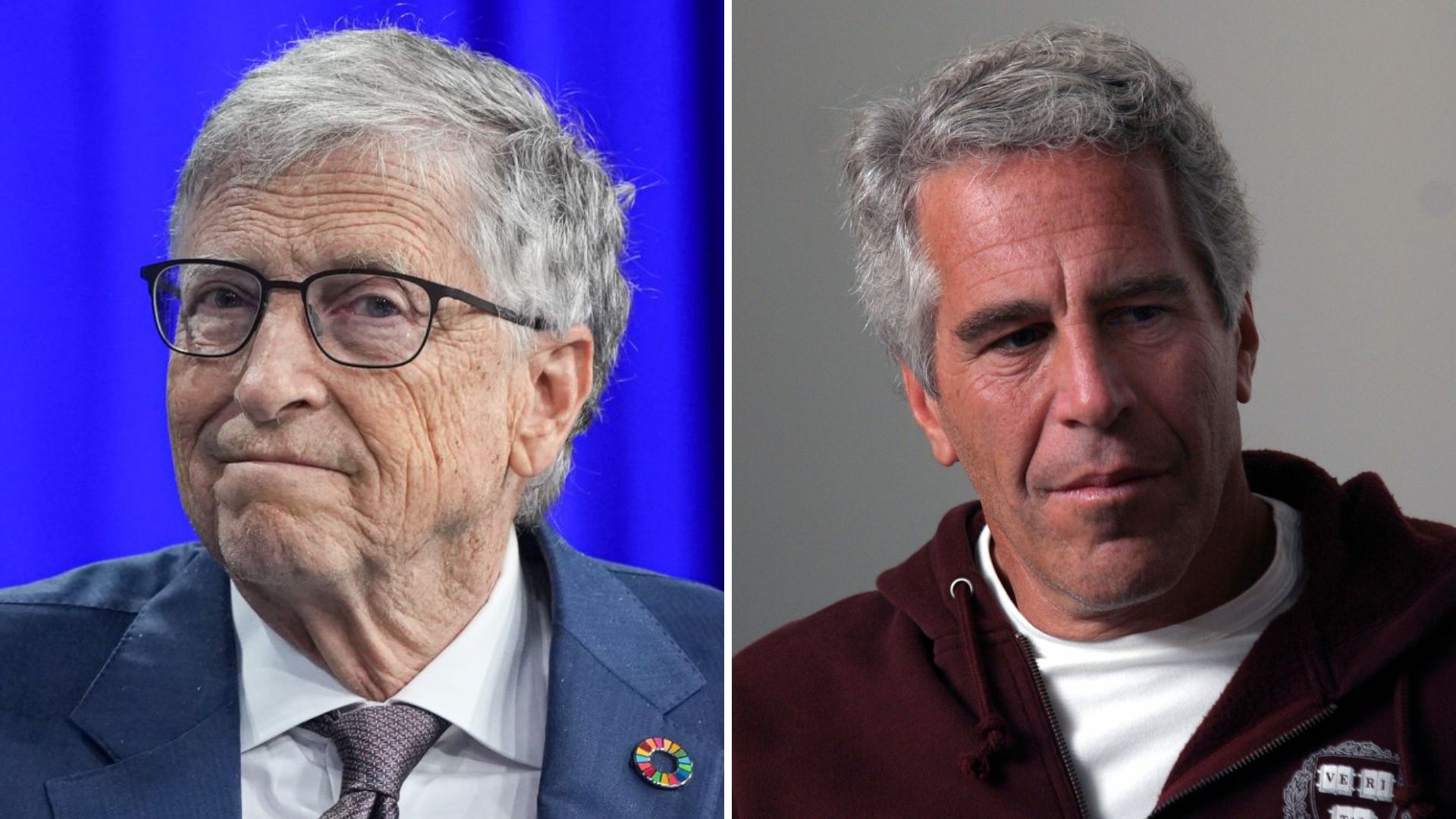
The renewed controversy follows years of public attempts by Gates to distance himself from Epstein. In previous interviews, Gates acknowledged meeting Epstein but repeatedly rejected characterizations suggesting a personal friendship. «I met him. I didn't have any business relationship or friendship with him.» Gates said when discussing the relationship. He also admitted that spending time with Epstein damaged his reputation and gave the financier a degree of legitimacy. «It was a huge mistake to spend time with him, to give him the credibility of being there.» Those remarks have resurfaced following the release of the documents and have become central to renewed debates about why Gates continued engaging with Epstein after his conviction. Critics argue that the meetings reflected poor judgment, while Gates has maintained they were motivated by philanthropic objectives rather than personal ties.
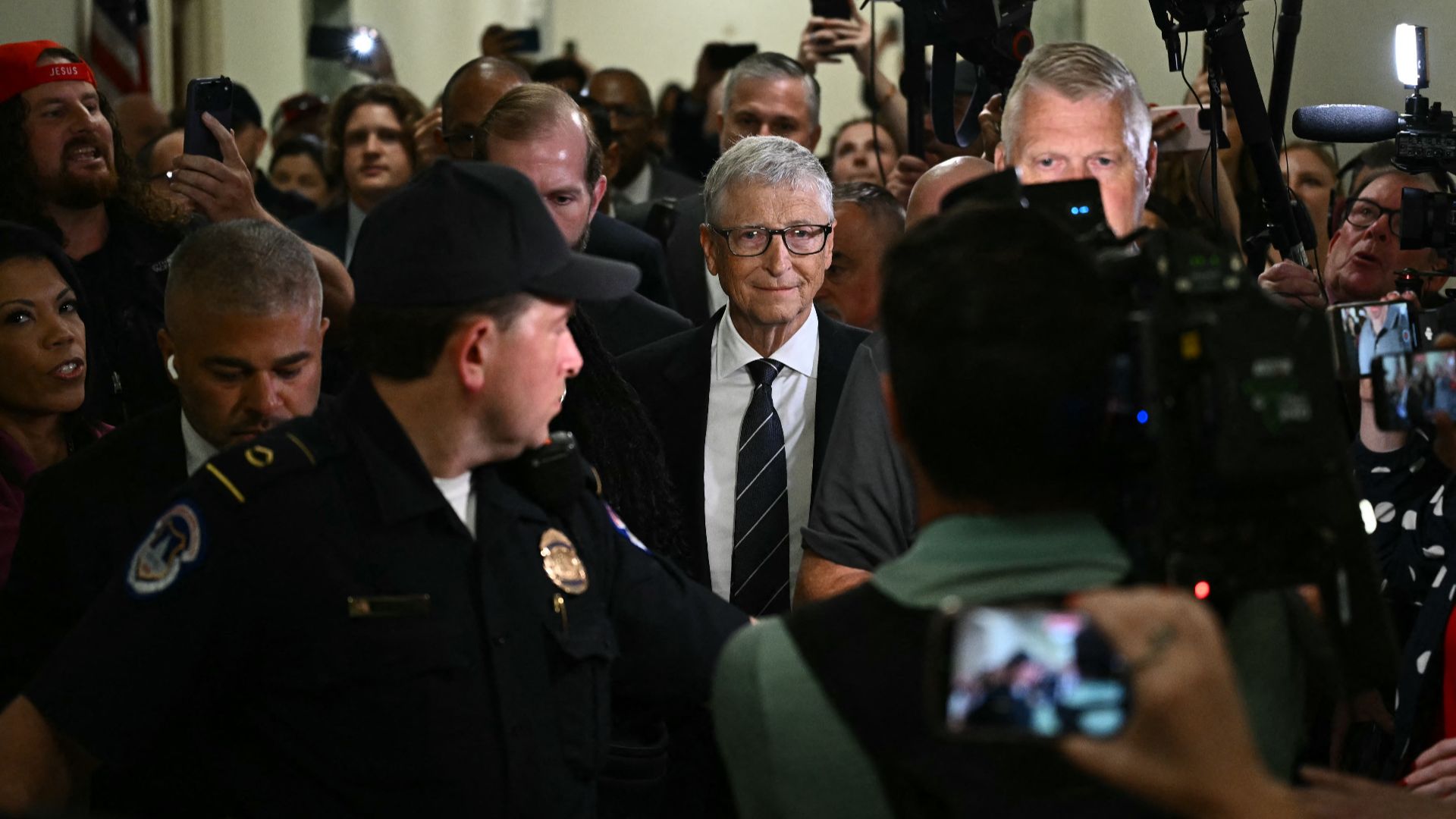
Additional attention has focused on documents and draft communications linked to Epstein that reportedly referenced Gates directly. Among the materials were draft messages allegedly written by Epstein in 2013 that contained personal allegations concerning Gates and claimed knowledge of private matters involving his marriage. The release of those documents generated significant media attention and renewed discussion about whether Epstein maintained files on prominent individuals for strategic purposes. The disclosures also coincided with Gates's decision to withdraw from a planned keynote appearance at the India AI Impact Summit in New Delhi. In a statement explaining the decision, the Gates Foundation said: «After careful consideration and to ensure the focus remains on the AI summit's key priorities, Mr Gates will not be delivering his keynote address.» The withdrawal occurred as scrutiny surrounding the Epstein-related materials intensified.
«It was a huge mistake to spend time with him, to give him the credibility of being there.»
-Bill Gates
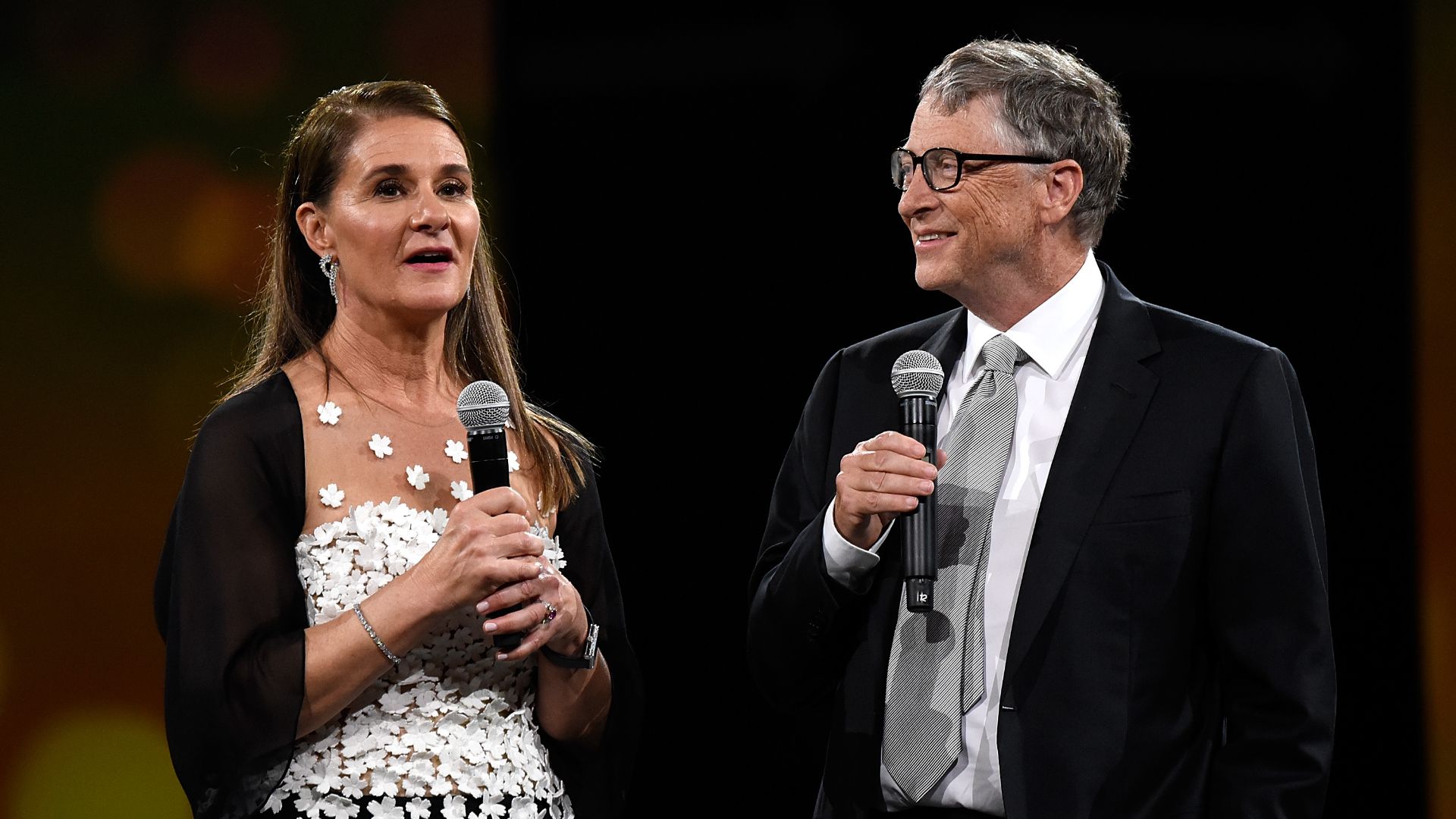
The controversy has also prompted public comments from Melinda French Gates, who has spoken openly about the emotional impact of revisiting the period surrounding her marriage and Epstein's role in the broader story. In a recent interview, she described the renewed attention as painful and said it revived «memories of some very, very painful times in my marriage.» While avoiding direct accusations, she emphasized that unanswered questions should be addressed by those involved. «Whatever questions remain there — I can't even begin to know all of it — those questions are for those people and for even my ex-husband. They need to answer to those things, not me.» Her remarks underscored how the continuing release of Epstein-related information continues to affect people connected to the scandal years after Epstein's death and long after many of the relationships involved had ended.
Created by humans, assisted by AI.
 Trump says he is “an innocent man” who has been “horribly treated” in Truth Social rant
 Trump abruptly quits NBC interview after calling female journalist “crooked” and “stupid” and dodging election questions