

/https%3A%2F%2Fcdn-tor.buminteractif.com%2F2026%2F06%2F16170859%2Fcanada-france-g7-getty345345dfgd34234.jpg)
Canada and France used the opening of the G7 summit to announce a significant expansion of their strategic partnership, unveiling new initiatives aimed at strengthening cooperation across defense, space, artificial intelligence and aerospace. The agreement reflects growing efforts by both countries to deepen collaboration amid rising geopolitical tensions and increasing uncertainty surrounding global security. Speaking about the new partnership, Canadian Prime Minister Mark Carney emphasized the importance of the bilateral relationship in the current international climate. «In a more dangerous and divided world, Canada's relationship with France is ever more important. We share the same values, and increasingly, the same interests. Ahead of the G7 Leaders' Summit, President Macron and I are collaborating in artificial intelligence, defence and security, and online safety – and building a more secure and prosperous future on both sides of the Atlantic.»
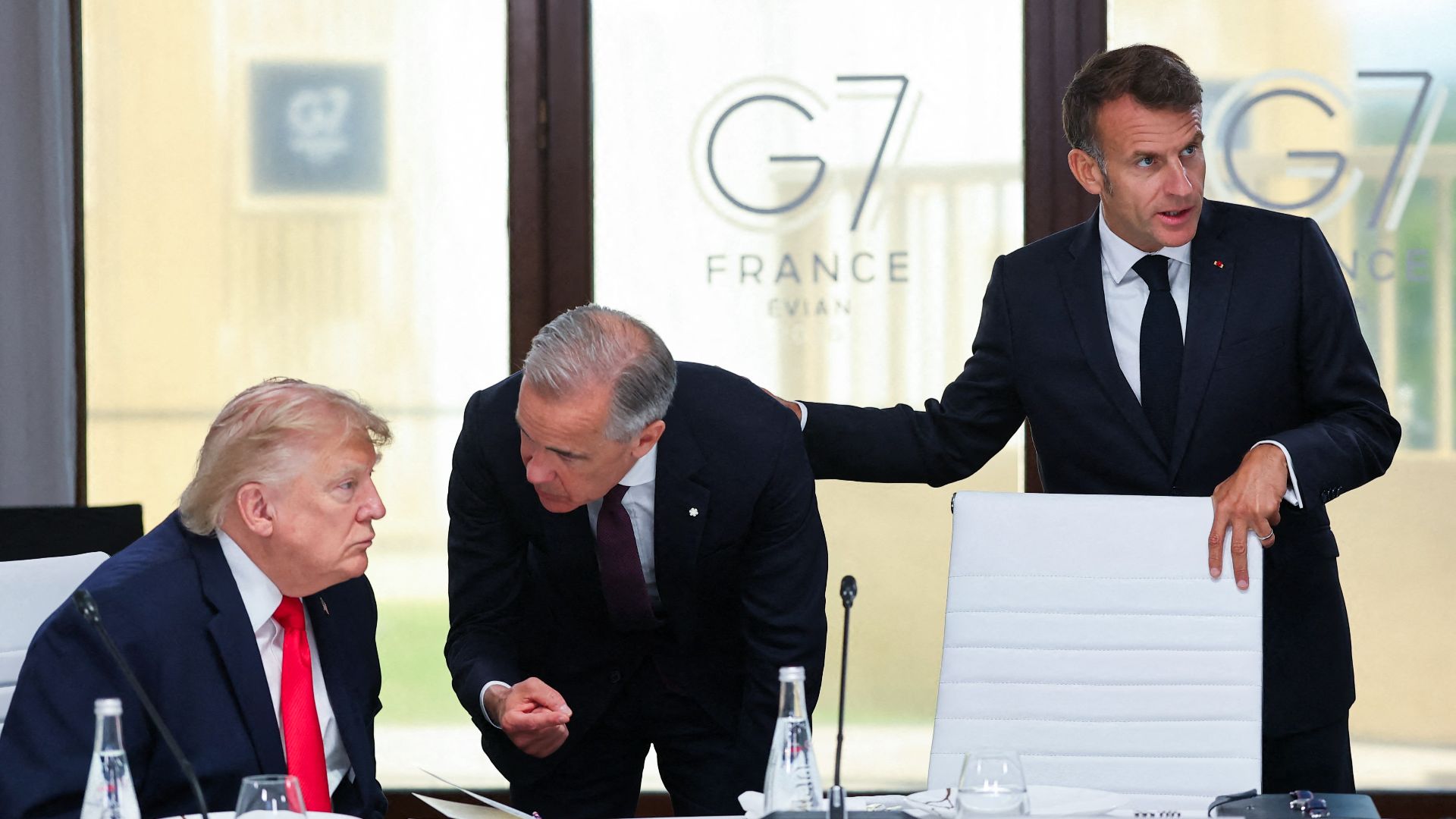
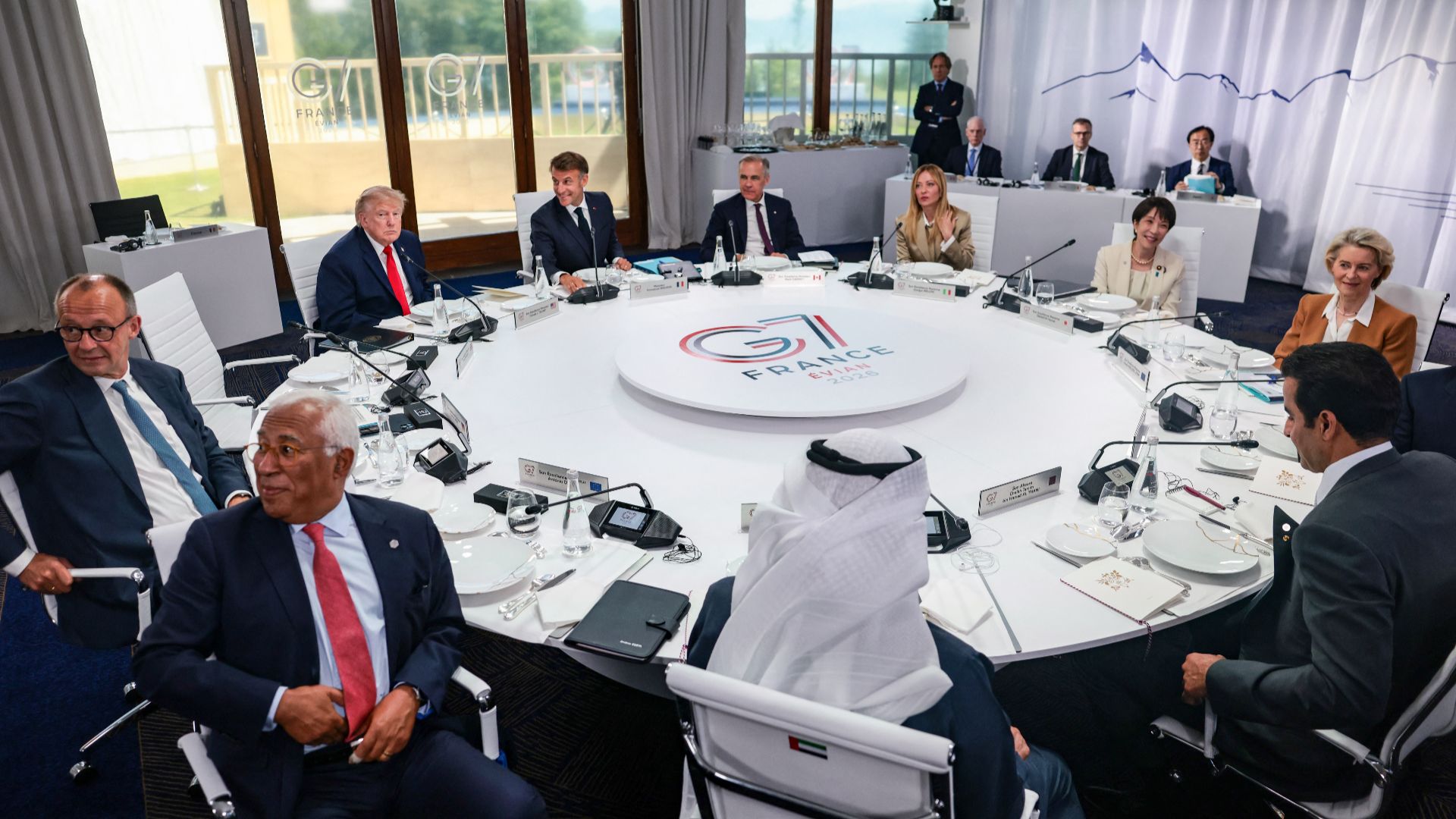
The announcement was made during Carney's visit to Paris, where he met French President Emmanuel Macron before the G7 leaders gathered in Évian-les-Bains. At the center of the new agreement is a General Security of Information Agreement, designed to make it easier for Canada and France to exchange classified information and deepen cooperation between government agencies, military organizations and industry partners. The agreement is expected to strengthen defense and industrial cooperation, create new procurement opportunities and improve interoperability between the two countries. For Ottawa, the deal also fits into a broader strategy of expanding security and trade partnerships beyond North America while maintaining strong ties to NATO allies.
«What this means is an ability to exchange classified information between our defence, our space, our AI and our aerospace sectors.»
-Canadian Prime Minister, Mark Carney
Defense cooperation forms the centerpiece of the new partnership. Canada and France pledged to increase collaboration between their armed forces, defense industries and procurement systems at a time when allied countries are under pressure to modernize military capabilities and reduce strategic vulnerabilities. The agreement is expected to facilitate joint projects, strengthen coordination on military technologies and help Canadian companies compete for French defense and security procurement opportunities. Both governments also framed the partnership as part of a wider effort to reinforce collective security within NATO, particularly as European allies continue to expand defense spending and coordination following Russia's invasion of Ukraine.
Space exploration, satellite technology and aerospace also feature prominently in the agreement. The two countries committed to expanding cooperation between their national space agencies, research institutions and private-sector partners, with future projects expected to involve satellite communications, Earth observation systems, space-based security technologies and emerging aerospace platforms. Canada and France both have major aerospace industries, with companies and suppliers that play important roles in commercial aviation, defense manufacturing and advanced systems development. Officials said deeper cooperation could strengthen supply chains, support innovation and create new opportunities for companies operating in both countries, particularly in sectors considered critical to future economic growth and national security.
Artificial intelligence emerged as another major pillar of the partnership. Canada and France have both invested heavily in AI research and development over the past decade and have increasingly positioned themselves as countries seeking to shape the global rules surrounding emerging technologies. Under the new framework, the two governments are expected to explore joint research, talent exchanges, security applications and standards for responsible AI development. The agreement also includes cooperation on online safety, cybersecurity and advanced technologies, areas that are increasingly tied to both economic competitiveness and national defense. Speaking about the practical impact of the agreement, Carney said: «What this means is an ability to exchange classified information between our defence, our space, our AI and our aerospace sectors.»
«In a more dangerous and divided world, Canada's relationship with France is ever more important. We share the same values, and increasingly, the same interests. Ahead of the G7 Leaders' Summit, President Macron and I are collaborating in artificial intelligence, defence and security, and online safety – and building a more secure and prosperous future on both sides of the Atlantic.»
-Canadian Prime Minister, Mark Carney
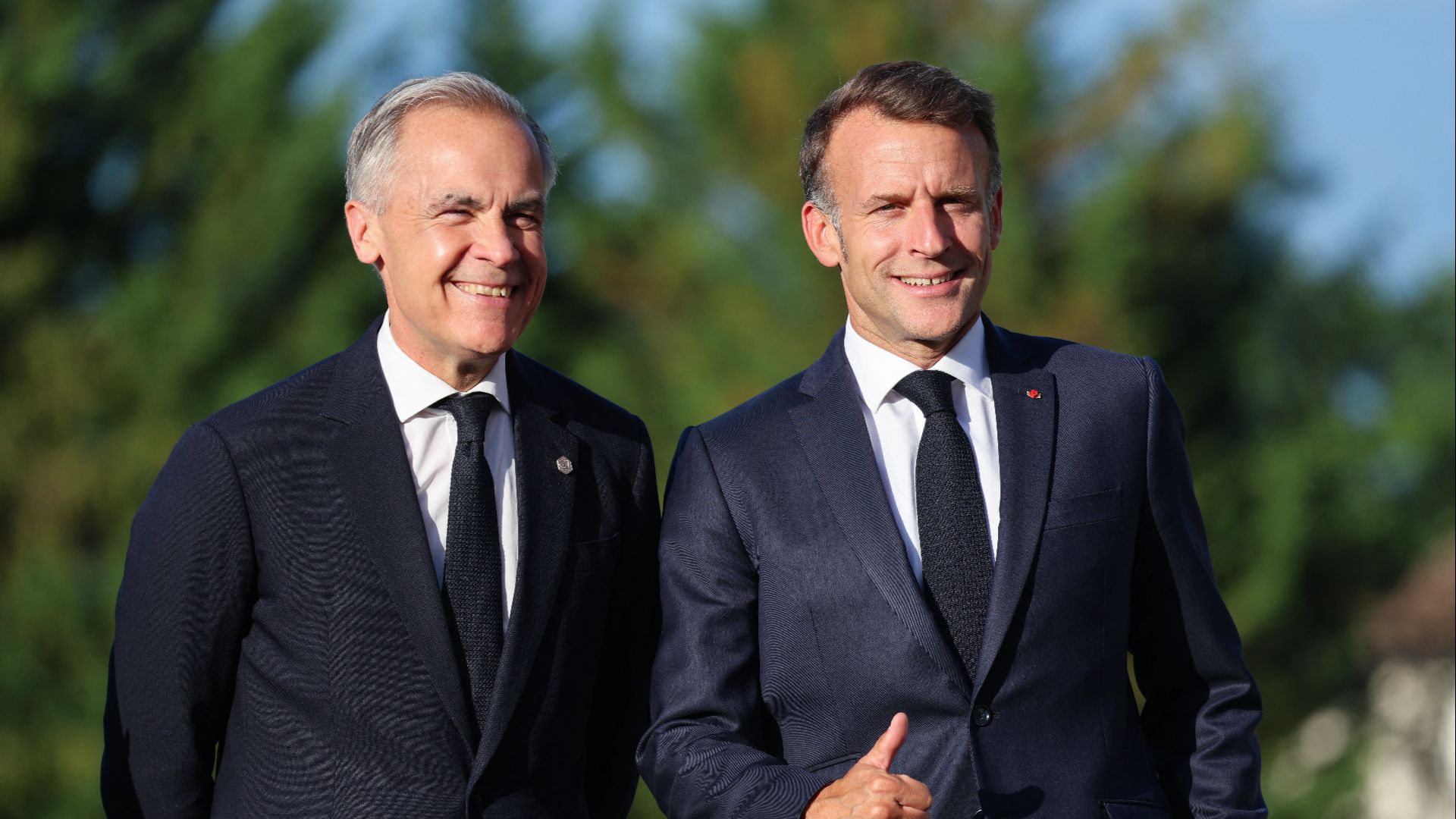
The announcement signals a broader effort by Canada and France to present themselves as closely aligned partners in a more unstable geopolitical environment. For Canada, the partnership supports a wider push to diversify strategic relationships while strengthening ties with Europe. For France, it reflects a long-standing goal of deepening defense and industrial cooperation among democratic allies while expanding European security partnerships. Macron described Canada as a friend of France and Europe as the two leaders discussed trade, defense and security. Beyond military considerations, officials said the agreement could also encourage investment, job creation and technological innovation. By expanding cooperation across defense, space, artificial intelligence and aerospace, both governments are seeking to build a more resilient transatlantic partnership at a time when security and technology are increasingly inseparable.
Created by humans, assisted by AI.
 What is Mark Carney's new AI strategy?
 Trump and US ambassador mock Canada's technical recession with new “51st state” taunts as Carney shrugs it off