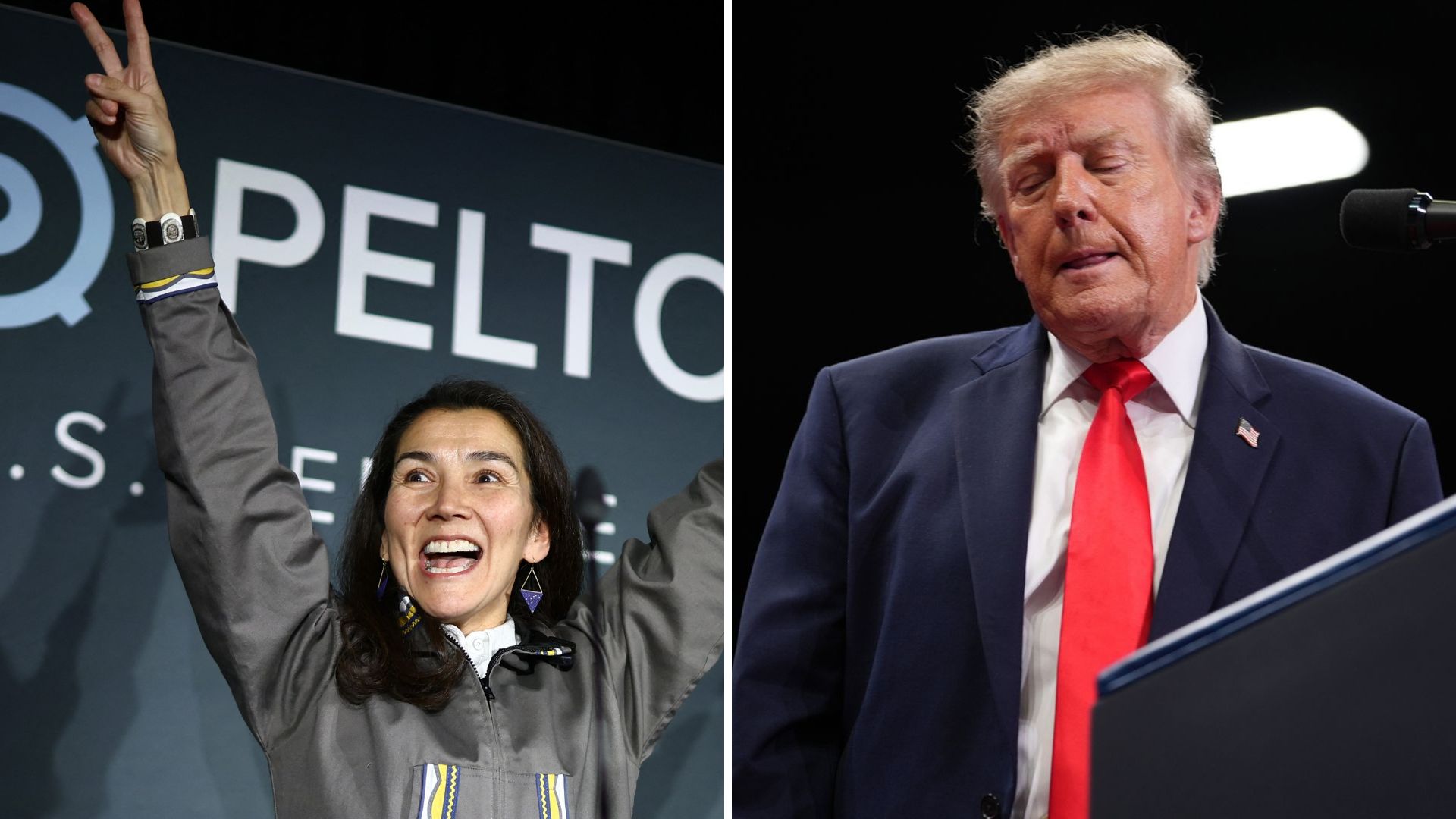
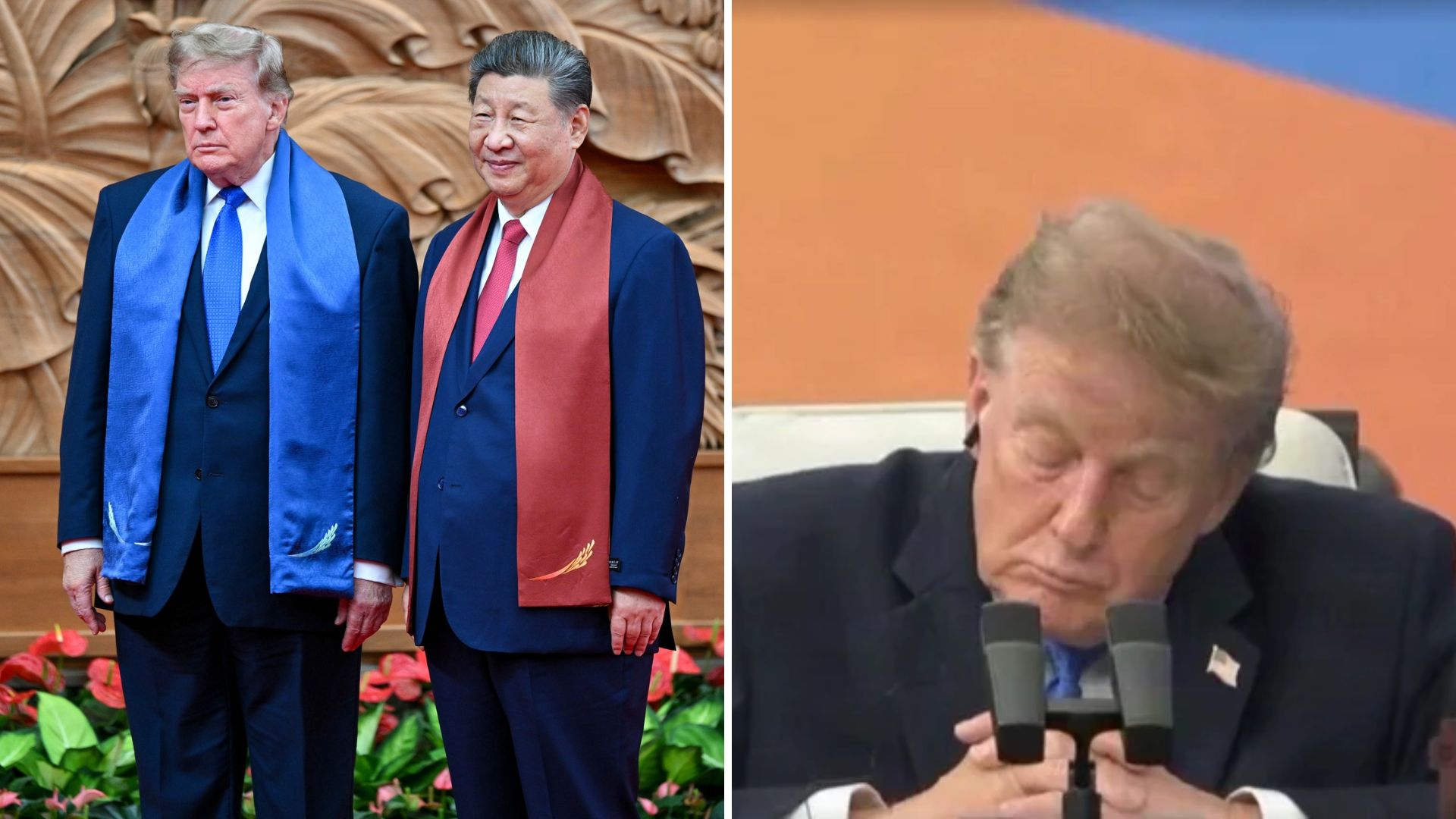
Ottawa is rejecting Pentagon accusations over Canada’s military readiness, with McGuinty asserting Canadian sovereignty and Carney saying Trump has never personally raised those concerns with him.
Canada Pushes Back Against Washington

The Canadian government is rejecting Pentagon accusations questioning its credibility as a North American defense partner. Responding on November 24, Defence Minister David McGuinty asserted Canada’s independence in determining its military policies. «Canada is a sovereign nation. I’ll be very direct. We don’t report to the United States.» Carney subsequently defended Canada’s military commitments.
Pentagon Accuses Canada of Military Underinvestment

In a document released on November 23, the Pentagon accused Ottawa of decades of insufficient military investment. «Underinvestment in defense has atrophied the Canadian Armed Forces and limited Canada’s ability to contribute to the defense of North America». American officials also accused Canada of relying excessively on American taxpayers for its defense.
Washington Questions Canadian Military Readiness

According to figures presented by the Pentagon for 2025–26, military readiness stood at 41.9% for the Royal Canadian Air Force, 53.9% for the Royal Canadian Navy and 48% for the Canadian Army. American officials also questioned whether Ottawa possessed a credible financial strategy to fulfill NATO’s new defense spending commitments.
Carney Defends Canada's Military Contributions

Responding on November 25, Carney highlighted Canada’s military deployment in Latvia, cooperation with American and European allies in the Arctic, and investments in military infrastructure, equipment and personnel. «We’re at the front lines of NATO’s defense.» The prime minister also emphasized that Canada had already achieved the alliance’s previous military spending target.
Trump Has Not Personally Raised Pentagon's Concerns

Carney distinguished the Pentagon’s accusations from his direct conversations with Trump, emphasizing the president’s role as commander in chief. «I can assure you that in my discussions with the president the United States, we’re focused on conflict resolution around the world and he has not raised issues such as has been reported recently.»
Canada Plans Substantial Defense Spending Increases

Canada has achieved NATO’s previous military spending target of 2% of GDP and committed to the alliance’s new combined defense and security target of 5% by 2035. Ottawa’s latest federal budget projects core military spending of 2.6% of GDP by 2027–28, with combined defense and security expenditures reaching 4.1%.
Budget Watchdog Questions Long-Term Financial Strategy

Canada’s Parliamentary Budget Officer has identified uncertainty surrounding Ottawa’s ability to finance its remaining military spending commitments. «The spending path beyond 2030-31 to reach 5 per cent of GDP by 2035 remains unclear.» Despite substantial planned investments, the independent assessment highlights unresolved questions about the government’s longer-term strategy for financing national defense.
F-35 Purchase Becomes Another Source of Tension

The Pentagon has criticized Canada’s review of its planned acquisition of 88 American-made F-35 fighter jets. Carney ordered the review in March 2025 amid escalating trade tensions and Trump’s repeated suggestions that Canada should become the 51st American state. Ottawa has since considered alternatives, including acquiring Swedish-made Gripen fighter jets.
Canada Seeks Greater Procurement Independence

American defense officials maintain that operating a mixed fighter fleet could aggravate personnel shortages, increase operational complexity and complicate continental defense cooperation. However, Canada’s procurement review forms part of a broader strategy to diversify military partnerships, reduce dependence on American suppliers and strengthen domestic defense manufacturing, including potential Canadian production of Gripen aircraft.
Pentagon Restricts Bilateral Military Engagements

The dispute follows reported restrictions on certain military engagements with Canada under a classified memorandum issued by Defense Secretary Pete Hegseth. Washington also suspended participation in the Permanent Joint Board on Defence in May. Pentagon spokesperson Sean Parnell maintained that these restrictions would not affect intelligence cooperation or existing NORAD and NATO arrangements.
Ottawa Maintains Military Cooperation Remains Intact

McGuinty emphasized that continental defense cooperation continues despite the political tensions. «The amount of co-operation that we are pursuing together under Norad has not changed. What we are doing together at NATO has not changed». Nevertheless, Ottawa continues to pursue closer European partnerships as unresolved trade disputes complicate its relationship with Washington.
Share this post