
Donald Trump appeared to fall asleep during Chinese President Xi Jinping's speech at a major international summit in Shenzhen, China, on Thursday, November 19, as cameras captured a striking contrast between the 80-year-old American president and other world leaders attending the gathering. During the Asia-Pacific Economic Cooperation (APEC) summit, Trump was filmed sitting with his hands clasped, his head lowered and his eyes closed for at least 10 seconds while Xi addressed delegates about international trade and economic cooperation. Russian President Vladimir Putin was seen watching the proceedings, while Canadian Prime Minister Mark Carney and Hong Kong leader John Lee were observed taking notes. The footage, broadcast during the high-profile diplomatic gathering, quickly attracted attention because of the differences in how the leaders appeared to follow Xi's remarks. Although the images prompted accusations that Trump had fallen asleep, the brief recording does not conclusively establish whether he was sleeping.
The footage quickly circulated across social media, generating criticism and ridicule from political opponents who questioned Trump's apparent lack of attention during an important international gathering. The account Republicans Against Trump shared the recording on X, declaring: «EMBARRASSING on the world stage: Donald Trump falls asleep during the APEC summit in China». Conservative attorney and longtime Trump critic George Conway responded with his own sarcastic assessment: «Embarrassing, yes. But the world is safer this way.» California Governor Gavin Newsom's press office also joined the criticism, sharing the video alongside the message: «The world is laughing at him.» The reactions reflected the political attention surrounding an incident that unfolded during Trump's diplomatic visit to China, where he was participating in meetings involving some of the world's most influential leaders. The camera's transition from Trump sitting with his eyes closed to Carney writing notes added to the contrast highlighted by critics, although neither the images nor the online commentary established that Trump had actually fallen asleep.
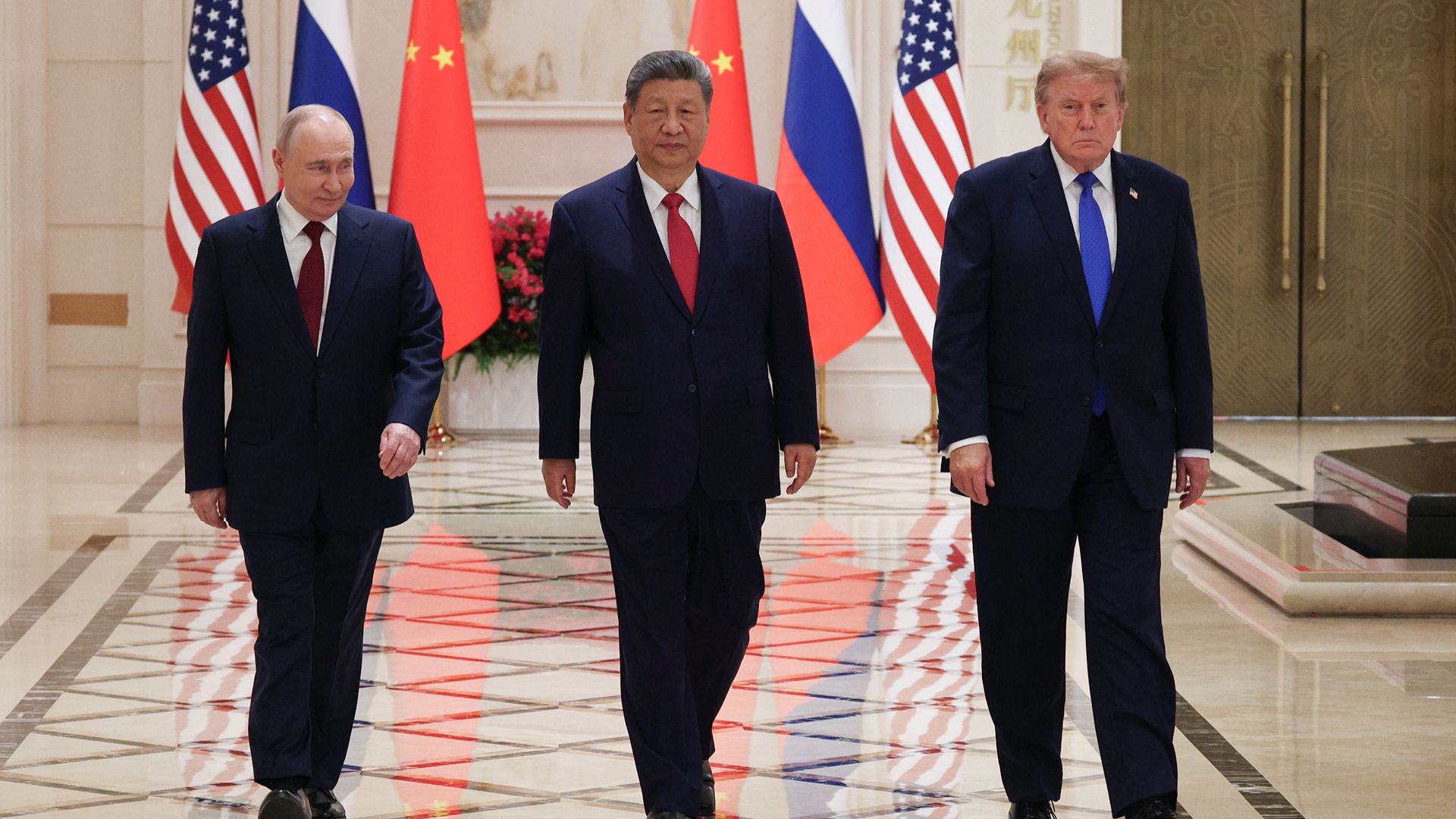
The White House strongly rejected suggestions that Trump had dozed off, accusing news organizations and political critics of misrepresenting the footage. White House Communications Director Steven Cheung dismissed the reports as «Fake News!» and insisted that Trump had been reviewing documents rather than sleeping while Xi delivered his remarks. Cheung stated: «President Trump was looking at papers in front of him while the speaker made remarks.» He further argued that the president's eyes could be seen moving as he examined the material, disputing the interpretation that he had lost consciousness during the speech. His response introduced a competing explanation for the images, which show Trump's eyes apparently closed but provide limited information about his actual state of alertness. The administration's denial came as the recording spread internationally, drawing further attention to Trump's appearance during a summit intended to address major economic and diplomatic issues. No independent evidence accompanying the short video definitively established whether Trump was asleep or simply looking downward.
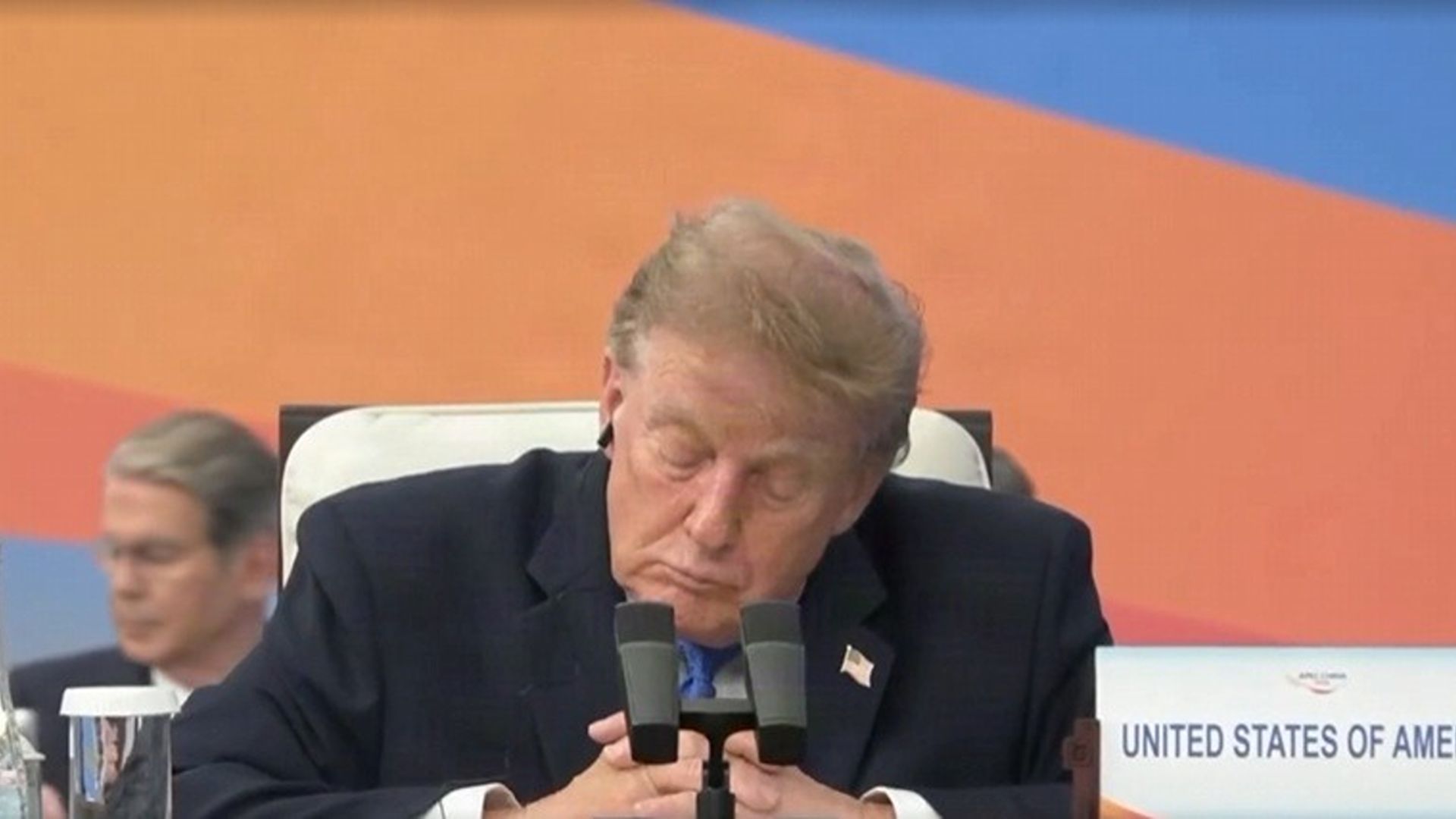
The controversy unfolded during a significant diplomatic gathering that brought together leaders from some of the world's most influential economies, with discussions focusing on international trade, economic cooperation and growing geopolitical tensions. Trump arrived in China on Wednesday after attending the Association of Southeast Asian Nations summit in the Philippines, part of an extensive diplomatic tour that began with a nearly 20-hour flight from Washington. At the APEC gathering, Xi Jinping emphasized the importance of maintaining open trade and strengthening international economic cooperation, while the American president prepared for high-level discussions with both Xi and Russian President Vladimir Putin. The three leaders also participated in an unprecedented trilateral meeting addressing international security and diplomatic relations, including tensions surrounding Ukraine and the Middle East. The gathering attracted considerable international attention because of its potential implications for relations between Washington, Beijing and Moscow. Trump's appearance during Xi's address consequently became an unexpected focus of coverage surrounding a summit dominated by major diplomatic issues.
The latest incident also revived earlier controversies involving Trump appearing to close his eyes during official events, several of which occurred throughout 2026. In January, cameras captured him with his eyes closed during an Oval Office ceremony celebrating the Whole Milk for Healthy Kids Act. Similar questions emerged in February during a meeting of his newly established Board of Peace, where Trump appeared to close his eyes while invited speakers delivered remarks. Additional incidents attracted attention during Memorial Day commemorations in May and at a New York Knicks basketball game, while critics also accused him of appearing drowsy during a September ceremony honoring victims of the September 11 attacks. Trump has repeatedly rejected suggestions that these moments demonstrate he was sleeping. In a January interview with The Wall Street Journal, he explained: «I'll just close. It's very relaxing to me. Sometimes they'll take a picture of me blinking, blinking, and they'll catch me with the blink.» Although these episodes have generated recurring political criticism, photographs and short recordings alone cannot establish whether the president was actually asleep.
I'll just close. It's very relaxing to me. Sometimes they'll take a picture of me blinking, blinking, and they'll catch me with the blink.
Trump's administration has consistently defended his energy and work habits, pointing to his demanding schedule and frequent communications with senior officials as evidence that he remains engaged in presidential duties. Secretary of State Marco Rubio has previously said he has never witnessed Trump falling asleep during meetings, noting that the president sometimes contacts him as late as 2 a.m. Vice President JD Vance has similarly described Trump's limited sleeping hours, including during extended international travel. The latest controversy emerged only two days after Trump arrived in Asia, following an intensive series of diplomatic engagements involving several countries and world leaders. However, there is no independent evidence establishing that travel fatigue explains his appearance during Xi's remarks. While critics interpreted the footage as another example of Trump appearing disengaged at an official gathering, the White House maintained that he was reviewing documents. The images nevertheless placed an unexpected spotlight on the American president during a summit intended to showcase diplomatic cooperation among the United States, China and Russia, illustrating how a brief televised moment can become a subject of international political controversy.
Created by humans, assisted by AI.
Share this post


Popular posts
-

20 Honeymoon Customs That Were Nothing Like A Romantic Getaway
-

GTA VI Receives Perfect Reviews, Critics Declare New Game a «Masterpiece»
-
GM Recalls 76,000 EVs in U.S., Canada over Potential Low-Speed Brake Failure
-
France Warns Iran Cyberattack «Will Not Go Unanswered» After Supermarket Refrigerators Sabotaged