/https%3A%2F%2Fcdn-tor.buminteractif.com%2F2026%2F05%2F06205342%2FGettyImages-2229419643.jpg)
The Pentagon has announced that it has secured a $1 billion contract with weapons manufacturer Lockheed Martin to manufacture M142 High Mobility Artillery Rocket Systems (HIMARS). HIMARS are light multiple rocket launchers developed in the late 1990s for the United States Army. In October 2024, the US State Department of Defence (now re-named Department of War) approved the potential sale of the rocket systems and related equipment to Canada, among other countries. The statement from the Pentagon's contracting website claimed the agreement covers the “urgent needs for the Army, Marine Corps and Foreign Military Sales customers in Australia, Canada, Estonia, Sweden and Taiwan.” A total of 17 HIMARS will be manufactured under the new deal, and the systems will be completed by the end of April 2028, the notice said.
It's unclear how many of those systems will actually end up in Canada. The Canadian government originally requested 26 systems to be delivered to Canada, but there has been no confirmation from the US or Lockheed Martin. Strangely, unlike the standard with most military purchases, the Canadian government has not issued a formal statement about its intention to purchase the U.S.-made HIMARS, even though it appears the formal deal was signed in January. According to defence expert Dave Perry, the silence from Carney's Liberals is likely purposeful. Canadian PM Mark Carney promised Canadians he would purchase fewer weapons from the US during his campaign trail.
CBC News reported on May 6 that multiple anonymous sources confirmed that a public statement was prepared last winter around the time the deal was finalized, but it was pulled back, coming as it did a few weeks before the Liberal government released its defence industrial strategy, which emphasized buying Canadian military kit. The US permitted Canada to purchase the weapon systems in October 2024. The Canadian government reportedly signed a letter of purchase in the following weeks.
Canada needs the systems
In an interview with CBC in December 2025, the commander of the Canadian Army, Lt.-Gen. Mike Wright claimed the systems were absolutely necessary, though the agreement was still pending. Wright claimed that the weapons were proven on the battlefield in Ukraine, and that Canada was in need of a ‘long-range precision strike system' for ‘land operations'. He did not give any further details. In addition to the HIMARS, the Pentagon said Canada is looking to buy rocket launch pods for both operations and training.
“The reason why we made the recommendation for the procurement of HIMARS is that… It's a capability that's been proven on the battlefield in Ukraine. More importantly, the systems are available right now.”
While Mark Carney assured Canadians that he would be moving away from reliance on US-built weapons, there are multiple agreements pending. The F-35 stealth fighter, also built by Lockheed Martin, is the most recognizable example. Carney ordered a review of Canada's plan to buy the warplanes from Lockheed Martin, setting off a high-stakes betting war by Swedish competitor Saab to sell Canada its Gripen-E fighters. Defence Minister David McGuinty reconfirmed in early May that the plan is still being reviewed and that no purchase has been confirmed. According to the statement made by the DoW, the purchase of HIMARS systems will be finalized by 2028, with Canada to receive the weapons systems by 2029.
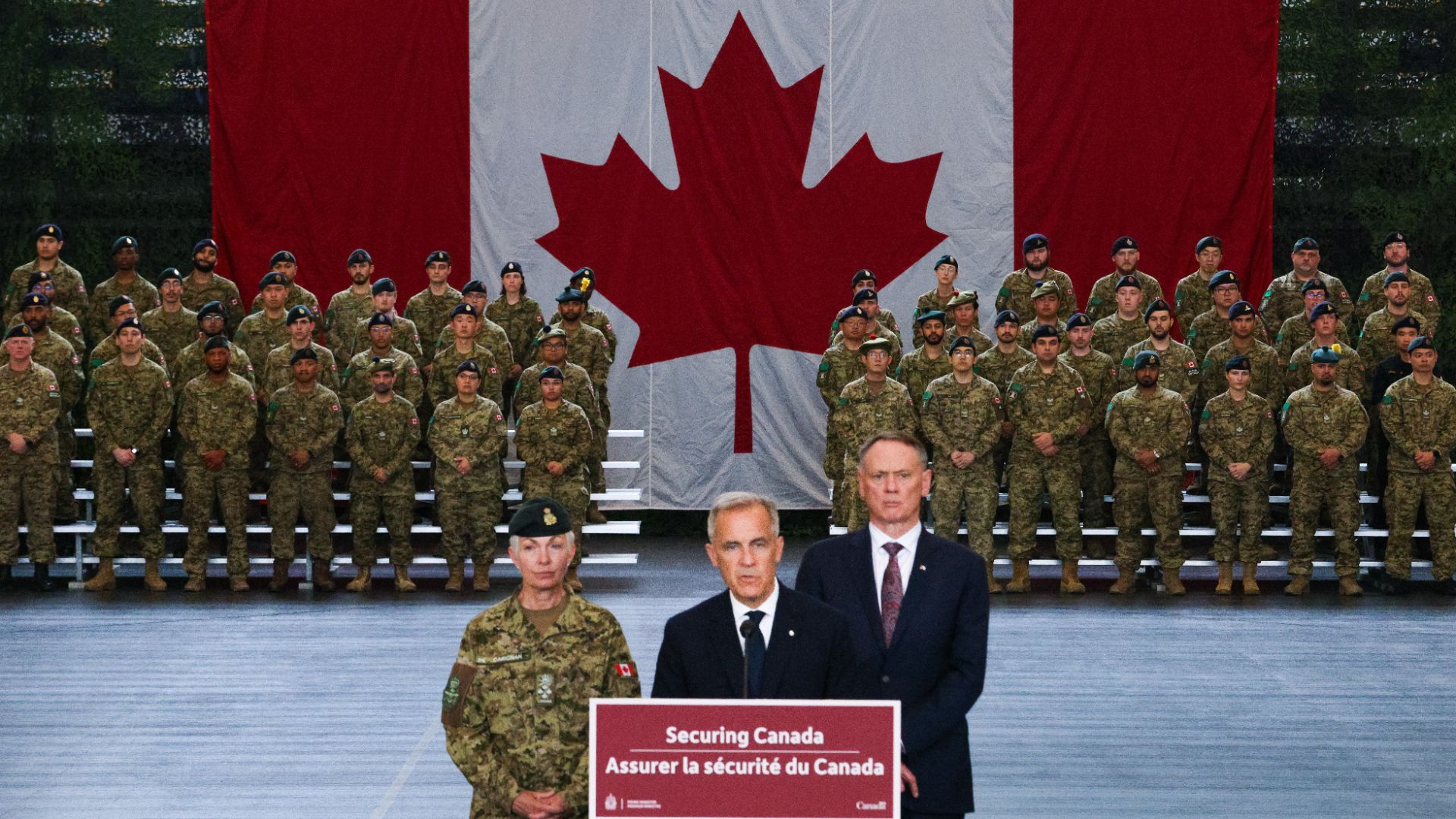
Prime Minister Mark Carney has promised to raise Canada's defence spending by two per cent of the country's GDP in order to meet new targets set by NATO. Carney plans to hit that target through the acquisition of new aircraft, armed vehicles, ammunition, and weapons systems. Canada has been looking to boost its Arctic defence for years, and Carney's government aims to successfully address the perceived issue. If Canada were to raise its defence spending by two per cent of its GDP, it would have to spend more than $50 billion a year.