Democrats Rip 2024 Election Autopsy Report as Incomplete and Vague, Blaming Only Kamala Harris


/https%3A%2F%2Fcdn-tor.buminteractif.com%2F2026%2F05%2F22181839%2Fdemocrat-harris-biden-trump-getty-3456345dfgdfg.jpg)
The Democratic Party is facing renewed criticism following the release of a 2024 election autopsy report intended to explain what went wrong in the party's defeat against Donald Trump, with many Democrats accusing the document of avoiding some of the campaign's most politically damaging issues. Critics argued the report focused too heavily on Kamala Harris while failing to seriously address Joe Biden's decision to seek re-election at age 81, his disastrous debate performance against Trump, growing backlash over the Biden administration's support for Israel's war in Gaza, and the role racism and sexism may have played in Harris' defeat. Democrats Say Election Autopsy Report Failed to Explain 2024 Defeat Beyond Harris as frustration quickly spread across progressive and moderate factions of the party following the document's release.
The controversy surrounding the report had already begun months earlier when Democratic National Committee chairman Ken Martin reportedly faced backlash for initially refusing to publicly release the findings after receiving the document. Martin defended the decision by arguing the report was incomplete and politically counterproductive while Democrats were preparing for future elections. «It wasn't ready for primetime. Not even close,» Martin said while explaining why party officials hesitated to circulate the findings internally. He also emphasized that Democrats needed to remain focused on upcoming elections instead of relitigating past failures. That argument, however, only intensified criticism from activists, strategists and elected officials who insisted the party could not move forward without honestly confronting the strategic and political mistakes that contributed to Trump's return to the White House in 2024.
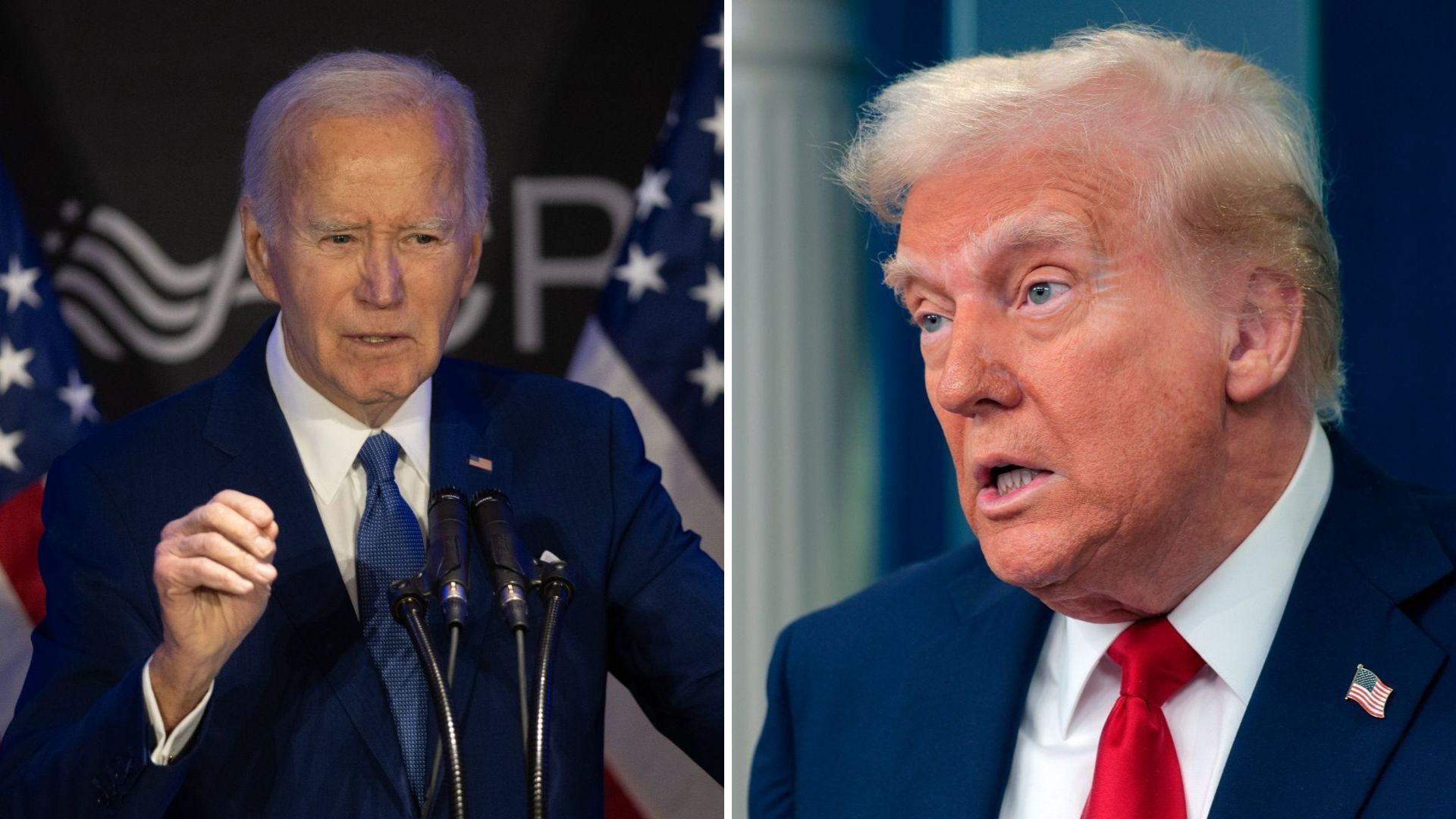
The 192-page document, which included a disclaimer stating «This document reflects the views of the author, not the DNC,» attempted to identify broader structural and messaging problems that weakened Democrats during the election cycle. One major focus involved what the report called «steep losses» among young men of color and white non-college men, warning that Democrats were losing critical ground with working-class male voters across multiple demographics. The report also argued that Democratic candidates who built clearer political identities based on accomplishments outperformed Harris in several battleground states. North Carolina Governor Josh Stein and Nevada Senator Jacky Rosen were specifically highlighted as examples of candidates who significantly outperformed the top of the ticket among male voters. According to the report, many voters evaluated candidates individually instead of simply voting based on party loyalty, contributing to widespread ticket-splitting in key races.
«It wasn't ready for primetime. Not even close.»
-Democratic National Committee chairman, Ken Martin
The report also delivered sharp criticism of Democratic media and campaign spending strategies, arguing that the party spent enormous amounts of money enriching conservative-controlled media ecosystems instead of building long-term voter infrastructure. «Democrats Rent, Republicans Own,» the report argued while criticizing the party's heavy dependence on television advertising instead of digital organizing and local outreach efforts. The document stated that corporate America now spends nearly three-quarters of advertising budgets on digital platforms while Democratic campaigns continue devoting most of their political spending to traditional broadcast television. The report additionally argued that Democrats relied too heavily on anti-Trump messaging instead of presenting voters with a compelling economic vision centered on housing costs, healthcare affordability and broader working-class economic frustrations affecting millions of Americans.
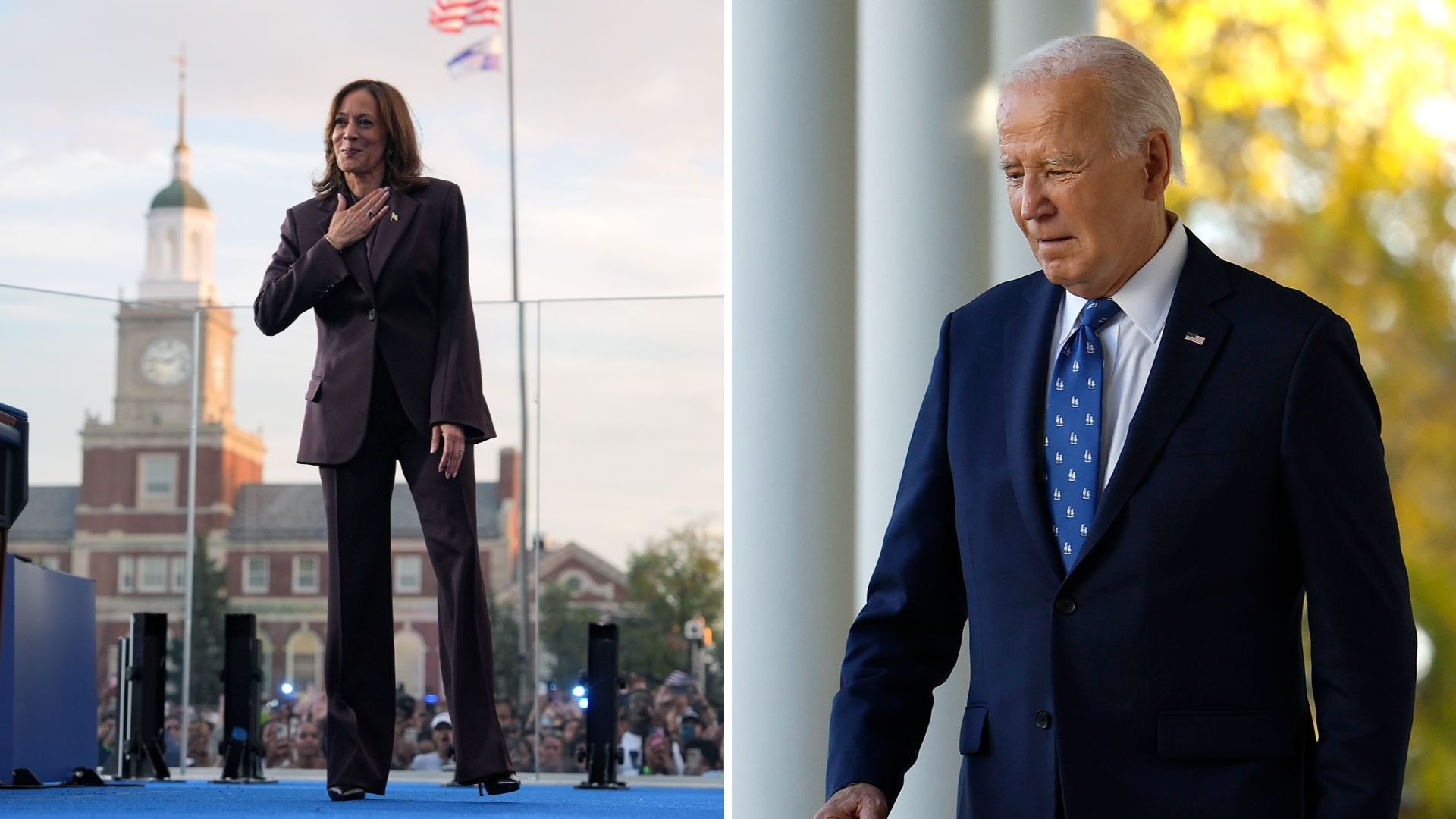
Despite the report's broad analysis of campaign strategy, many Democrats immediately pointed out what was missing from the document. Critics noted the report made virtually no serious examination of the political damage caused by Biden's catastrophic debate performance against Trump, which triggered months of panic inside the party before Biden eventually withdrew from the race. The document also reportedly failed to fully examine Biden's decision to effectively hand his campaign over to Harris without a competitive Democratic primary process. Progressive activists additionally criticized the report for barely discussing growing anger among younger voters over U.S. support for Israel's military campaign in Gaza, an issue many strategists privately believe hurt Democratic turnout in several key states. Others also argued the report minimized the role racism and misogyny may have played in attacks targeting Harris throughout the campaign.
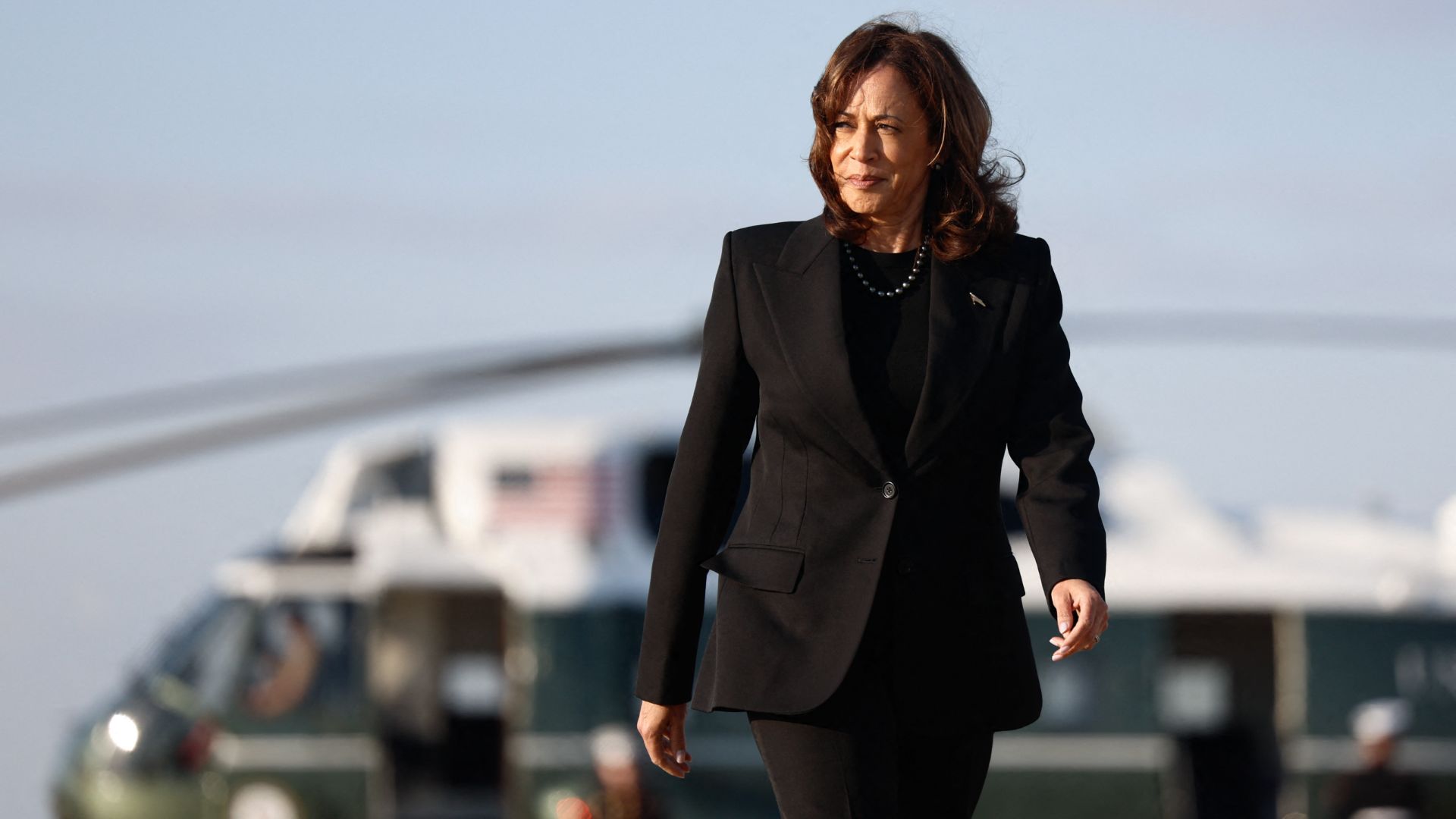
The release of the report has now intensified an already growing identity crisis inside the Democratic Party as leaders struggle to rebuild a coalition capable of defeating Trump and the Republican movement in future elections. Strategists aligned with the party's progressive wing have increasingly demanded a stronger populist economic message while moderates continue arguing Democrats lost touch with independent and working-class voters in rural communities and battleground suburbs. The autopsy report itself ultimately recommended permanent year-round organizing instead of short-term election mobilization campaigns while also urging Democrats to move beyond relying solely on anti-Trump sentiment as their central political message. But for many critics inside the party, the report's refusal to fully confront the Biden-Harris transition, Gaza backlash and deeper social dynamics surrounding Harris' candidacy has only reinforced concerns that Democrats still do not fully understand why they lost the 2024 election in the first place.
Created by humans, assisted by AI.
