Duane “Keffe D” Davis Found Guilty in Tupac Shakur Murder Case After Nearly 30 Years


/https%3A%2F%2Fcdn-tor.buminteractif.com%2F2026%2F09%2F01142643%2Fertaweaeadfu.jpg)
A verdict in one of the most infamous unsolved murders in American history has finally been reached after nearly three decades of uncertainty, conspiracy theories, and unanswered questions. On August 31, a Clark County jury found former gang leader Duane “Keffe D” Davis guilty of first-degree murder for his role in the 1996 killing of rap icon Tupac Shakur. The unanimous decision marked the first time anyone has been held legally responsible for Shakur's death, ending a case that remained one of music's biggest mysteries since the fatal Las Vegas drive-by shooting. After hearing weeks of testimony and evidence, the 12-member jury needed less than three hours to reach its decision, taking even less time than the closing arguments presented by both sides.
Tupac Shakur's murder remained unsolved for nearly 30 years after the rapper was shot during a drive-by attack in Las Vegas in September 1996. The lack of arrests for decades allowed countless theories, rumors, and speculation to surround the case, while investigators struggled to bring charges against anyone connected to the shooting. Davis became the last surviving person who was inside the Cadillac from which prosecutors said the shots were fired, after the other individuals linked to the vehicle died over the years. The investigation remained dormant until Davis began publicly discussing his alleged involvement, giving interviews and later publishing his 2019 memoir, Compton Street Legend, where authorities argued he provided statements that helped revive the long-stalled case.
A key role
The breakthrough came when prosecutors used Davis's own public statements as a central part of their case, arguing that his repeated discussions about the night of the shooting were not simply exaggerations but admissions that revealed his involvement. Those statements helped Las Vegas police reopen the investigation and eventually led to a grand jury indictment in 2023. After several procedural delays, Davis's trial finally began in August 2026, with prosecutors presenting their theory that he played a key role in organizing the attack rather than being the person who physically fired the fatal shots. Under Nevada's accomplice liability laws, prosecutors did not need to prove Davis pulled the trigger, only that he helped plan or facilitate the murder. The jury ultimately accepted that argument and found him guilty of first-degree murder.
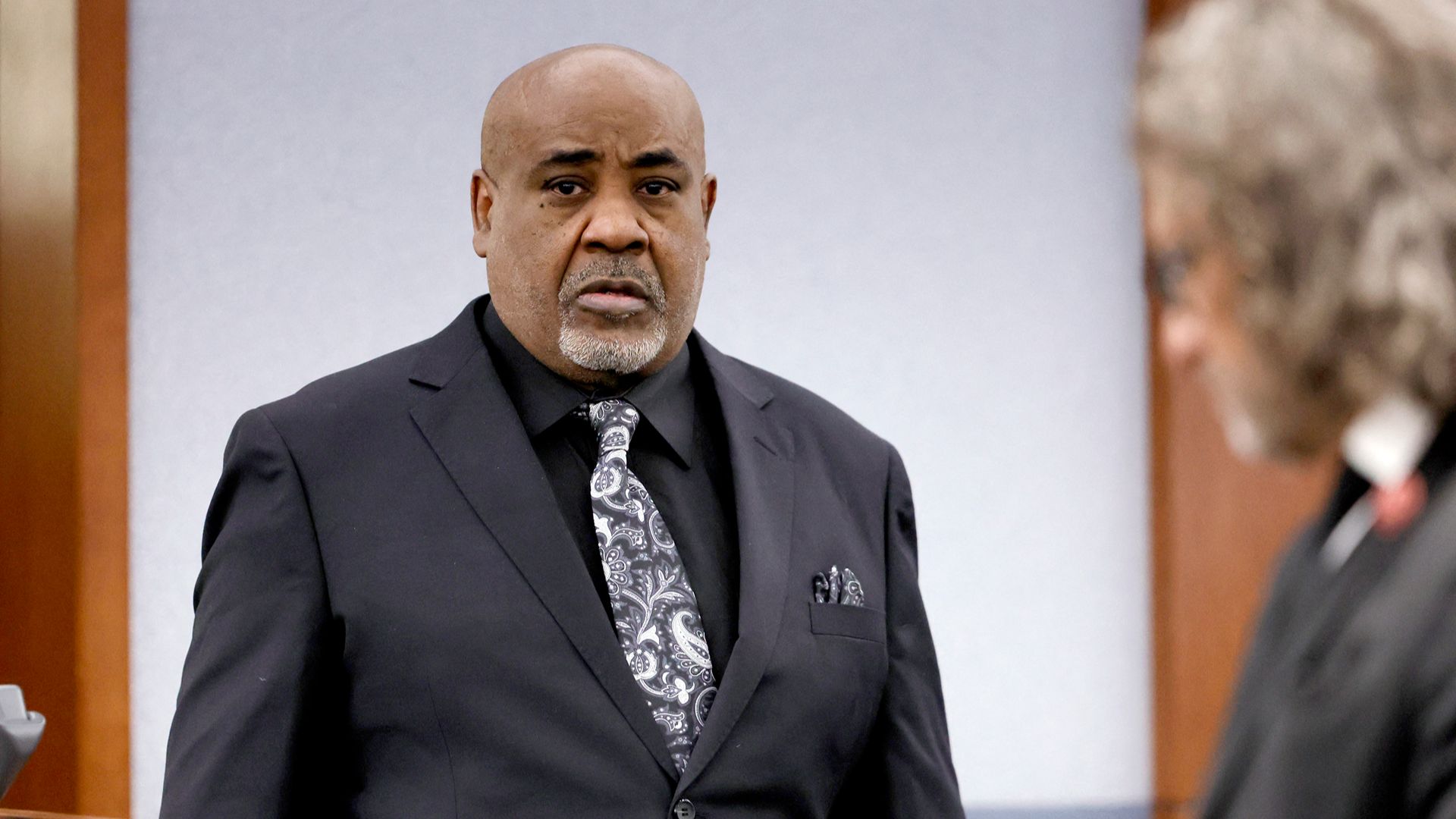
The jury's quick decision came after prosecutors presented a case centered heavily on Davis's own words and public statements over the years. Chief Deputy District Attorney Binu Palal argued that Davis was not required to have fired the weapon himself under Nevada's accomplice liability law, but that he helped organize the attack by allegedly obtaining the firearm, gathering the individuals involved, and directing the events that led to Tupac Shakur's death. Prosecutors described Davis as the person who helped coordinate the retaliation after his nephew, Orlando “Baby Lane” Anderson, was involved in a confrontation with Tupac's group at the MGM Grand Hotel earlier that night. The state argued that Davis later used his connection to the murder to build his public profile and profit from the attention surrounding the case.
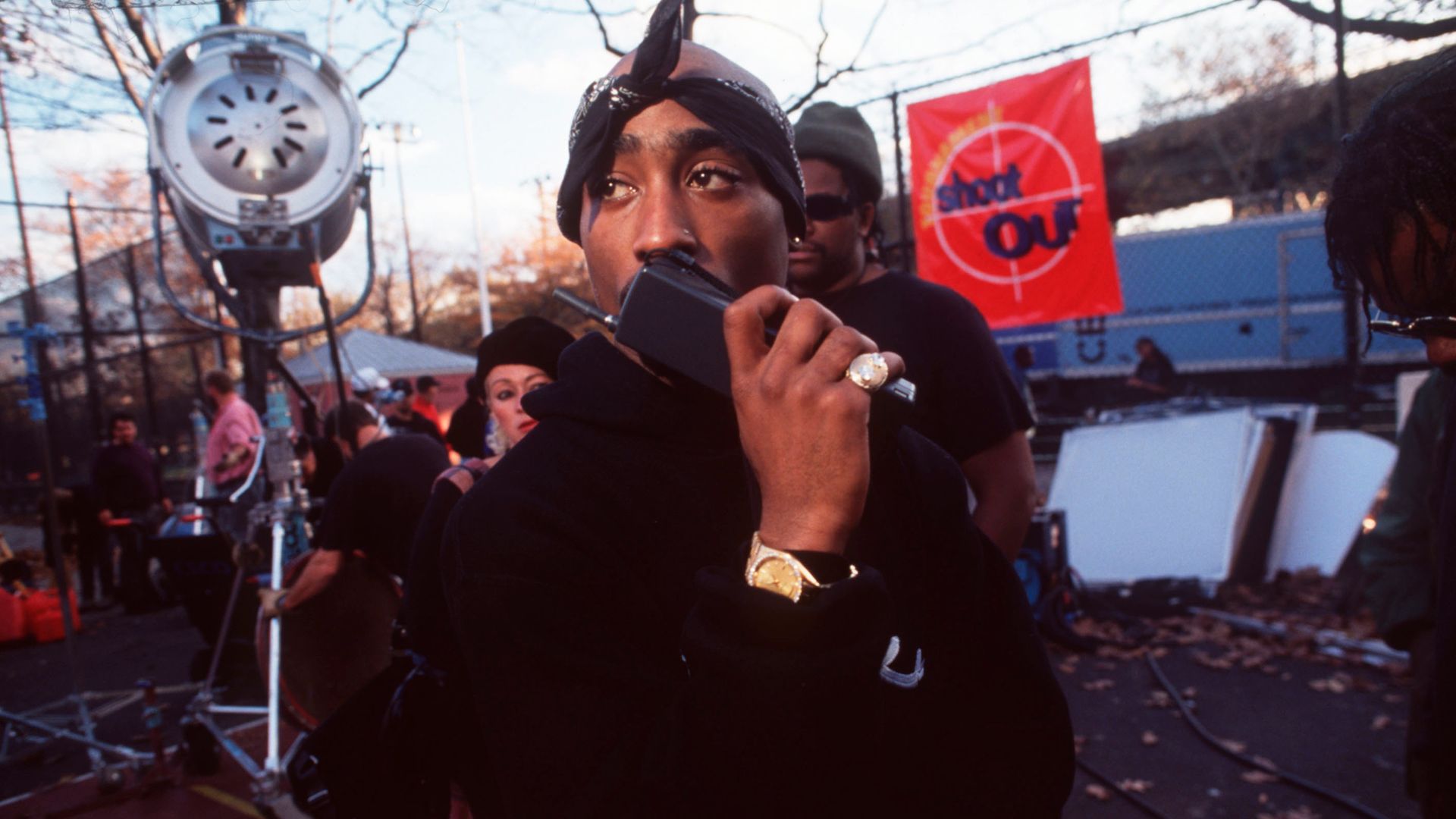
The defense team attempted to convince jurors that Davis's statements were not admissions but exaggerated stories created for entertainment and financial gain. Attorney Michael Sanft argued that Davis's comments in interviews and his 2019 memoir were examples of «untrue braggadocio», claiming he was trying to make himself appear more important by attaching himself to one of hip-hop's most famous unsolved crimes. The defense also emphasized that prosecutors never presented direct physical evidence connecting Davis to the shooting. No murder weapon, fingerprints, or DNA evidence tied him to the crime scene, and attorneys questioned whether Davis was even in Las Vegas on the night Tupac was killed. They argued that investigators were relying too heavily on statements made decades later instead of physical proof from the original investigation.
Key elements of his story
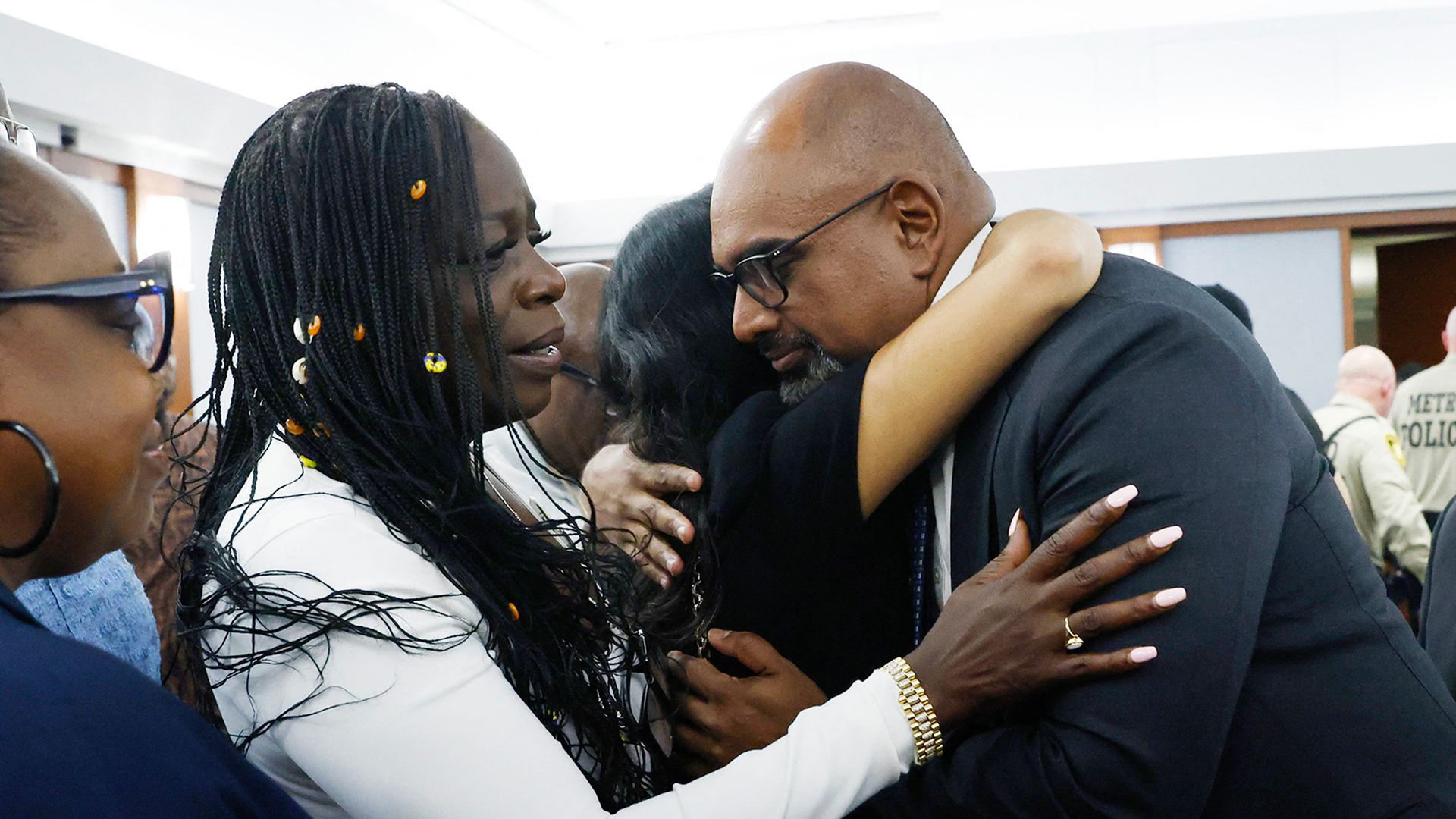
The trial provided new details about the decades-old case, including the presentation of a 2008 police interview recording in which prosecutors argued Davis described important details about the inside of the Cadillac involved in the shooting and how the firearm was handled. Prosecutors also showed jurors a timeline of Davis's changing public statements over the years, arguing that while some details evolved, key elements of his story remained consistent. The proceedings also highlighted the challenges investigators faced in the 1990s, including a deep distrust between gang communities and law enforcement that limited cooperation. Davis, now 63, did not testify during the trial and remains the only person convicted in connection with Tupac Shakur's death. He is scheduled to be sentenced on October 13, 2026, and has indicated he plans to appeal the verdict. Tupac's family said through their attorney that they were «elated and relieved» to finally receive a sense of closure after nearly 30 years.
Created by humans, assisted by AI.
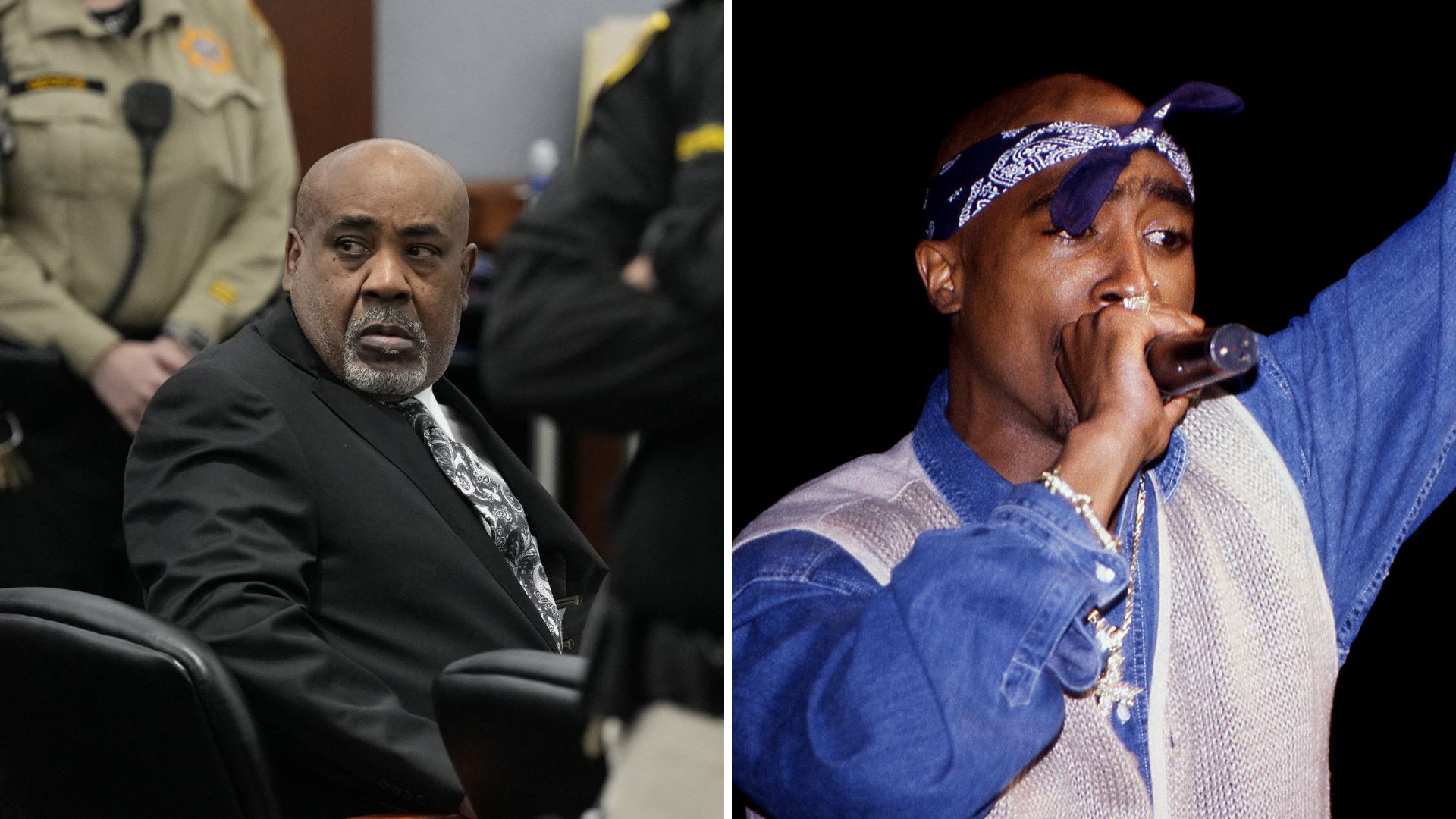 Tupac Shakur murder trial begins 30 years later with Keffe D's self-incriminating statements and reluctant witnesses
 Walmart strikes undisclosed DOJ settlement over alleged 'hundreds of thousands' of opioid violations, avoiding potential billions in damages