FBI Arrests OpenAI Engineer After Multiple Secret Recording Devices Found at Company Headquarters


/https%3A%2F%2Fcdn-tor.buminteractif.com%2F2026%2F10%2F14143539%2Fopenai-getty65464564.jpg)
A Saudi Arabian engineer working for OpenAI has been arrested by the FBI after investigators discovered multiple secret recording devices at the artificial intelligence company's San Francisco offices, including one allegedly concealed inside an executive conference room used for highly confidential discussions about advanced AI technology. Abdulrahman Alfozan, 35, was taken into federal custody on Friday, October 9, 2026, and formally charged with using or attempting to use an electronic device to intercept private conversations, according to a criminal complaint unsealed by the U.S. Department of Justice on October 13. Alfozan, who joined OpenAI as an engineer in July 2025, is accused of secretly installing a sophisticated audio recorder in a room where company executives regularly discussed proprietary research, business strategies and government partnerships. A second recording device was subsequently discovered in a bag belonging to the employee, prompting further scrutiny of his activities. FBI Director Kash Patel characterized the allegations as a matter of national security, declaring, «Protecting American SI innovation is essential to safeguarding our nation's economic strength and national security.» The arrest comes amid growing competition between American technology companies and international rivals developing increasingly powerful artificial intelligence systems.
The investigation began after OpenAI security personnel discovered an unusual electronic device connected to a USB port behind a television in an executive conference room on September 30. According to federal prosecutors, the equipment had been carefully concealed inside toilet paper and was believed to have been installed approximately two days earlier, on September 28. The device contained encrypted information, raising questions about what conversations might have been captured and whether any recordings could have been accessed remotely. Investigators also examined security camera footage showing Alfozan near the restricted conference room on several occasions before the discovery, despite having no authorization to enter the area or participate in the meetings held there. On October 5, surveillance footage allegedly captured the engineer entering the room and looking behind the television where the recording equipment had previously been located. That same day, security employees found an unattended bag belonging to Alfozan in another room at an OpenAI facility. Inside, alongside his wallet and identification, they discovered a second recording device resembling the first. Prosecutors have not established publicly that this second device was installed or used to capture conversations.
«Any attempt to illicitly obtain protected information from U.S. super intelligence and technology companies threatens both American innovation and the national security interests those advancements support.»
– Scott Schelble, special agent FBI San Francisco Field Office
The discovery has raised significant concerns about the potential exposure of OpenAI's most sensitive technological and commercial information, particularly because the targeted conference room was routinely used by senior executives to discuss developments unavailable to the public. According to the federal complaint, conversations held there included proprietary artificial intelligence research, upcoming product plans, business development opportunities, strategic decisions and relationships with government agencies and commercial partners. Such discussions could provide valuable information about the company's technical capabilities, competitive priorities and long-term plans in the rapidly expanding AI industry. Investigators allege that Alfozan had previously used an AI-powered productivity tool to research OpenAI's office locations, conference room capacities, meeting calendars and the areas where leadership and external partner meetings were conducted. These inquiries became particularly relevant when investigators compared them with surveillance footage and the locations where the recording devices were found. However, authorities have not publicly confirmed that confidential information was successfully intercepted, removed from the company or transmitted to any third party. The allegations also have not established the involvement of a foreign government or identified a potential recipient of any recordings, leaving the suspected purpose and full extent of the operation unresolved.
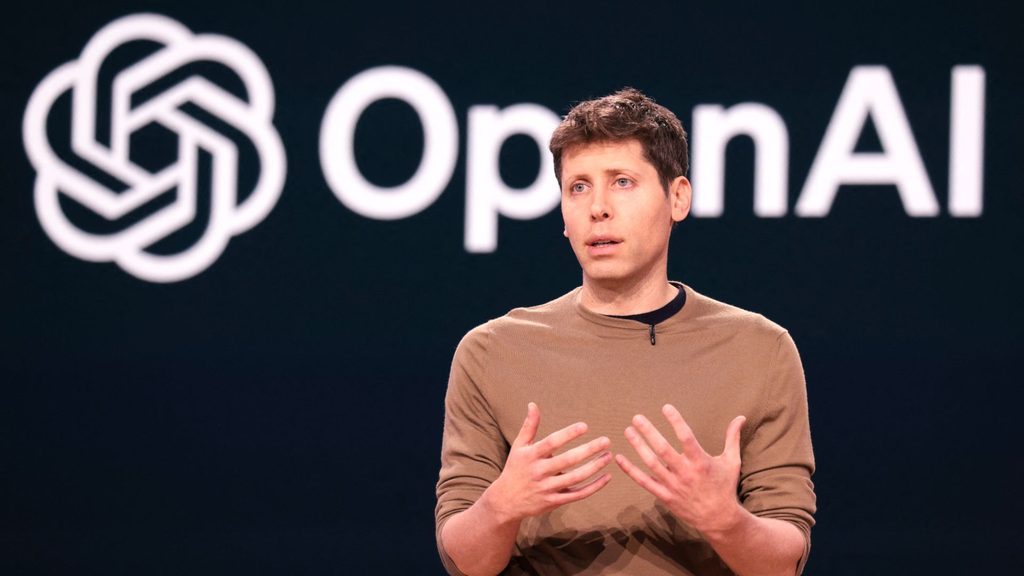
The federal investigation has also uncovered an unusual connection between the alleged surveillance operation and artificial intelligence tools, with prosecutors claiming that chatbot searches were used to research the construction, concealment and remote operation of recording equipment. According to the criminal complaint, an account associated with Alfozan's wife, which shared identifying characteristics with his own account, submitted a series of technical questions between September 24 and September 30, 2026. Investigators say the inquiries concerned continuous audio recording, Wi-Fi connectivity, encrypted storage and methods for accessing recordings remotely. Some prompts allegedly referenced technical characteristics specific to the device discovered behind the conference room television, including its custom header and unique MAC address. The Justice Department has not accused Alfozan's wife of wrongdoing, and the existence of an account associated with her does not establish that she personally submitted the questions. In an unusual development, OpenAI also revealed that its own artificial intelligence models played a role in examining the suspicious equipment and identifying the employee allegedly responsible. «We used our models to understand the device and where it had come from, identifying that a specific employee had planted it a few days earlier. We referred the matter to the FBI, and we're grateful to the agents and prosecutors who moved quickly to make an arrest,» an OpenAI spokesperson explained. The company subsequently terminated Alfozan's employment and confirmed that it was cooperating with the continuing federal investigation.

OpenAI has emphasized that its internal investigation has not uncovered evidence that the accused engineer successfully removed its most valuable technological assets or obtained sensitive customer information. In a public statement following the arrest, the company declared, «At this time, we have no indications of this individual inappropriately accessing or exfiltrating model weights, source code, or customer data.» The distinction is significant because the alleged targeting of executive conversations has raised concerns about industrial espionage, even though investigators have not established that proprietary information was actually stolen. Federal prosecutors nevertheless characterized the case as a national security matter, reflecting the strategic importance Washington places on protecting American artificial intelligence research. U.S. Attorney Craig Missakian addressed those concerns in the Justice Department's announcement, stating, «The Bay Area and Silicon Valley lead the world in developing tomorrow's technology, and our Office will continue to stand at the forefront of protecting that American innovation. For us it is a matter of national security. This arrest highlights our relentless efforts in partnership with the FBI to identify and prosecute those who seek to steal our technology, as alleged in the complaint.» Alfozan's professional background has also attracted attention. Before joining OpenAI, he worked at Facebook and developed connections within Saudi Arabia's technology industry, according to the Financial Times. However, federal authorities have not identified any foreign government as a participant in the alleged operation, disclosed evidence of state-sponsored espionage or established who might have received recordings.
«We used our models to understand the device and where it had come from, identifying that a specific employee had planted it a few days earlier. We referred the matter to the FBI, and we're grateful to the agents and prosecutors who moved quickly to make an arrest.»
-OpenAI spokesperson
Alfozan now faces federal prosecution in the Northern District of California, where authorities have charged him with using or attempting to use an electronic or other device to intercept oral communications in violation of federal law. He made his initial court appearance on October 13 and remains in federal custody pending a detention hearing scheduled for October 19 before U.S. Magistrate Judge Alex G. Tse. If convicted, the 35-year-old engineer could receive a maximum sentence of five years in federal prison, a $250,000 fine and up to three years of supervised release, although any eventual punishment would depend on the court's assessment of the evidence and applicable sentencing guidelines. The case is being handled by the U.S. Attorney's Office's National Security, Cyber and Special Prosecutions Section following an FBI investigation. Scott Schelble, special agent in charge of the FBI's San Francisco Field Office, emphasized the broader implications of attempts to obtain confidential technological information, stating, «Any attempt to illicitly obtain protected information from U.S. super intelligence and technology companies threatens both American innovation and the national security interests those advancements support.» Despite the arrest and discovery of two recording devices, crucial questions remain unanswered, including whether confidential conversations were successfully captured, whether anyone accessed the encrypted recordings and what ultimately motivated the alleged surveillance. Alfozan is presumed innocent unless proven guilty beyond a reasonable doubt, while the continuing investigation highlights the security challenges facing companies developing increasingly powerful artificial intelligence systems.
Created by humans, assisted by AI.
 OpenAI's teen chatbot branded 'unacceptable risk' after 4,000+ test prompts
 RFK Jr. embraces AI to fight «medical tyranny» at summit sponsored by OpenAI and Anthropic