

/https%3A%2F%2Fcdn-tor.buminteractif.com%2F2026%2F07%2F22185622%2Ffrance-social-media-getty-345345fdgdfg.jpg)
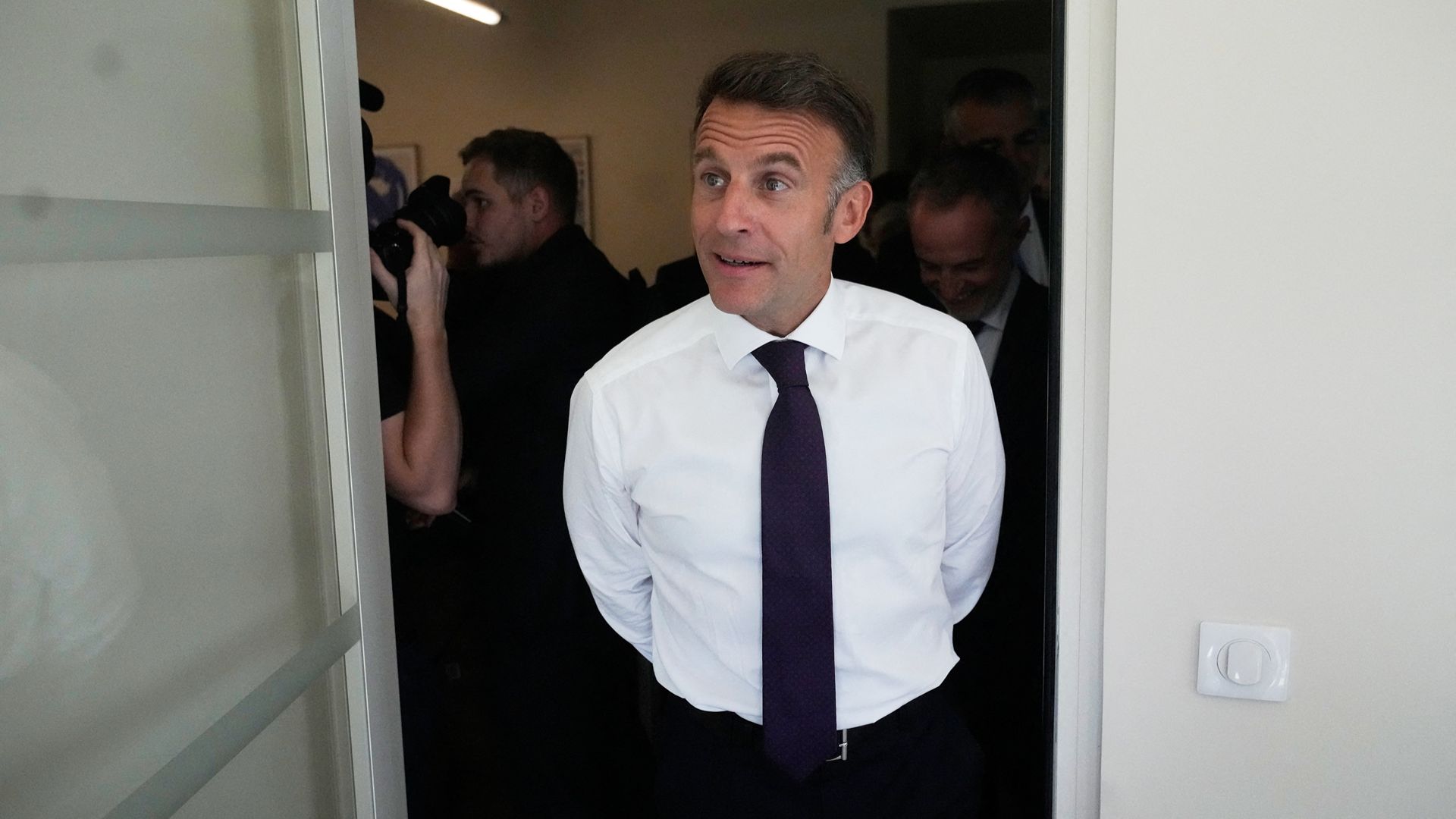
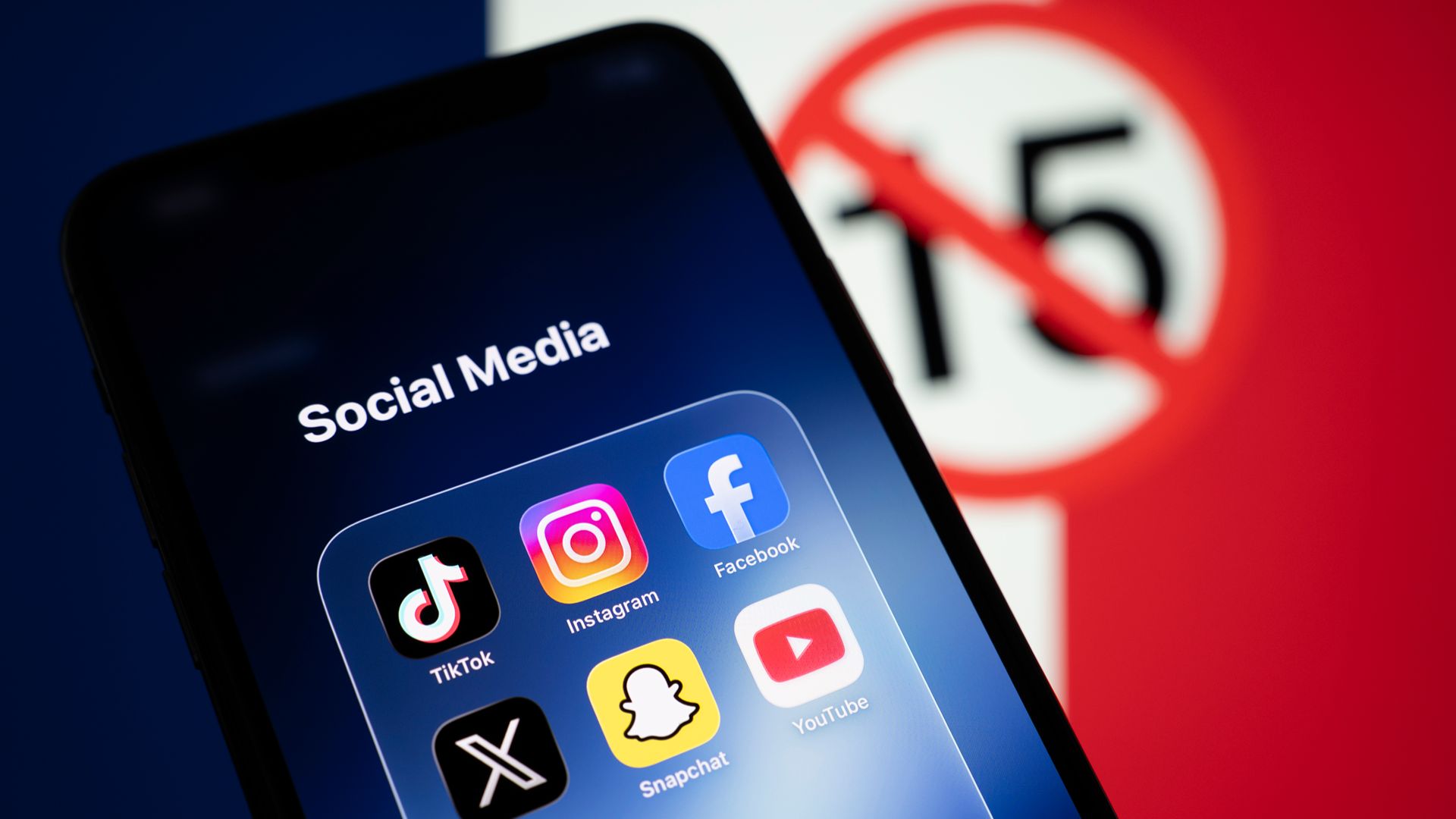
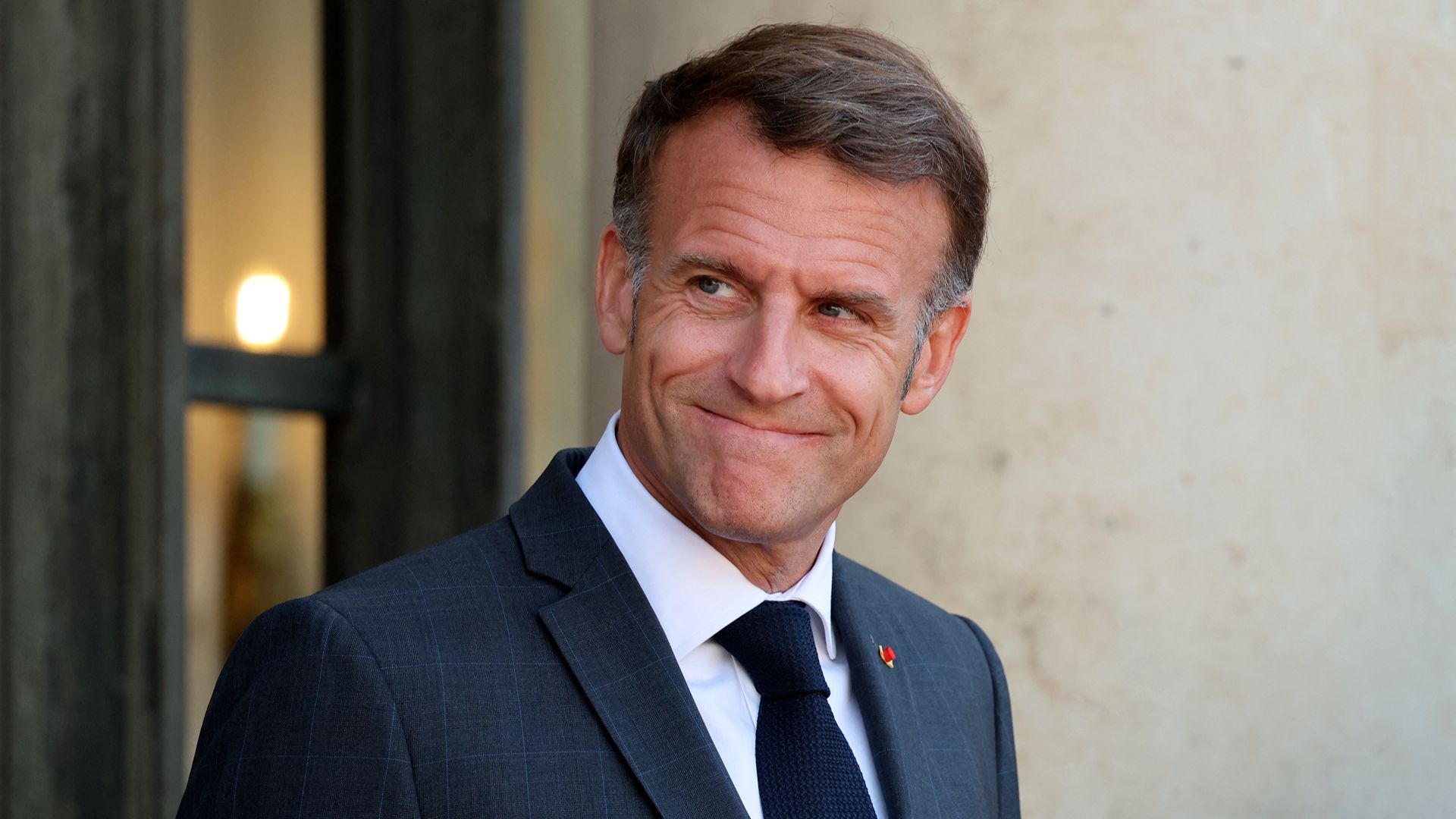
France has enacted one of Europe's most sweeping restrictions on children's access to social media, barring anyone younger than 15 from creating or maintaining accounts on major platforms. Approved by both chambers of Parliament on July 21, the legislation places France at the forefront of a growing international campaign against the digital risks facing younger users. The measure is intended to shield children from addictive recommendation systems, cyberbullying, disrupted sleep, harmful content and mounting psychological pressures associated with prolonged online exposure. It also makes France the first European Union country to adopt a blanket national restriction of this kind, following Australia's earlier decision to prevent children under 16 from holding social media accounts. Emmanuel Macron has promoted the initiative as a defining child-protection policy of his final years in office, arguing that governments can no longer leave platforms responsible for determining how young people experience the online world.
Under the new framework, social media companies will be responsible for preventing children younger than 15 from opening accounts and for identifying existing profiles that do not meet the age requirement. New registrations are expected to be blocked beginning Sept. 1, while platforms will receive an additional enforcement period to verify the ages of current users and deactivate accounts belonging to children covered by the ban. Companies will need to rely on approved age-assurance systems, potentially involving independent verification providers or privacy-protective digital identity tools, rather than simply asking users to enter a birth date. Although widely used services such as TikTok, Instagram, Snapchat and X are clearly expected to fall within the law, the treatment of platforms combining social networking with messaging or video services may depend on how their individual features are classified. Educational resources, scientific services and certain open-source platforms are expected to remain accessible.
«We are banning social media for under-15s and we are going to ban mobile phones in our high schools. I believe this is a clear rule – clear for our teenagers, clear for families, clear for teachers.»
–French President, Emmanuel Macron
The legislation extends beyond social media by prohibiting mobile phone use throughout French high schools, expanding restrictions that previously focused largely on younger students. Supporters say the combined measures establish a clear boundary between education and the constant stream of notifications, personalized feeds and online interactions competing for teenagers' attention. French health authorities have warned that many adolescents spend several hours each day on smartphones, while studies have associated intensive social media exposure with sleep deprivation, reduced self-esteem, anxiety, depression, loneliness and online harassment. Macron has repeatedly accused technology companies of exploiting the vulnerabilities of developing minds, declaring: «The brains of our children and our teenagers are not for sale. Their emotions are not for sale or to be manipulated, neither by American platforms nor by Chinese algorithms.» He later praised the vote by stating: «France is leading the way in Europe when it comes to protecting our children and teenagers.»
France's legislation is also being viewed as a possible blueprint for broader regulation across Europe. European institutions have already been examining whether a continent-wide framework should gradually limit minors' access to social media, with stronger safeguards introduced as children grow older. While no EU-wide ban has been adopted, officials have increasingly questioned whether existing digital regulations go far enough to protect young users from addictive algorithms and harmful online content. The French law is therefore expected to influence upcoming discussions in Brussels, particularly as policymakers debate whether age verification standards should become mandatory across the bloc. Supporters argue that a harmonized approach would prevent children from bypassing national restrictions by simply using platforms based elsewhere in the European Union, while critics caution that any future legislation must carefully balance child safety with privacy and fundamental digital rights.
Outside Europe, governments have adopted sharply different strategies while pursuing many of the same objectives. Canada has introduced Bill C-34, known as the Safe Social Media Act, which would establish a minimum age of 16 for social media accounts. Unlike the French model, however, the proposal includes a significant exception allowing platforms to serve younger users if they can demonstrate to a new Digital Safety Commission that their services are built with robust child-protection measures. The proposed legislation also extends beyond traditional social media by applying to AI chatbot services, reflecting growing concerns over rapidly evolving digital technologies. The bill has nevertheless encountered substantial criticism from legal scholars and digital rights advocates, who argue that restricting an entire age group from online platforms could conflict with the protections for freedom of expression guaranteed under Section 2 of the Canadian Charter of Rights and Freedoms.
«The brains of our children and our teenagers are not for sale. Their emotions are not for sale or to be manipulated, neither by American platforms nor by Chinese algorithms.»
–French President, Emmanuel Macron
The United States has taken a far more fragmented approach, with Congress largely unable to reach consensus on nationwide restrictions. At the federal level, the principal law remains the Children's Online Privacy Protection Act, which focuses primarily on limiting the collection of personal data from children under 13 rather than restricting platform access. In the absence of federal action, states including Florida, Texas, Utah, Ohio and California have advanced their own legislation requiring parental consent or stricter age verification. California has become the focal point of the national debate by targeting algorithm-driven features instead of imposing a complete ban. Measures such as SB 976 seek to restrict personalized recommendation feeds, autoplay functions, endless scrolling and overnight notifications for minors, while lawmakers continue debating additional proposals inspired by the broader restrictions adopted in countries such as Australia and now France. Technology companies and civil liberties organizations have challenged many of these laws in federal courts, arguing that broad age-verification requirements and limits on access raise significant First Amendment and privacy concerns. Macron has defended France's approach as both simple and necessary, saying: «We are banning social media for under-15s and we are going to ban mobile phones in our high schools. I believe this is a clear rule – clear for our teenagers, clear for families, clear for teachers.»
Created by humans, assisted by AI.
 Microsoft restructures its operations: 4,800 job cuts, a shift toward AI, and implications for Xbox
 Prince Harry suffers crushing privacy lawsuit defeat against Daily Mail publisher