

/https%3A%2F%2Fcdn-tor.buminteractif.com%2F2026%2F05%2F28163342%2Fbiden-getty-3453gdgx.jpg)
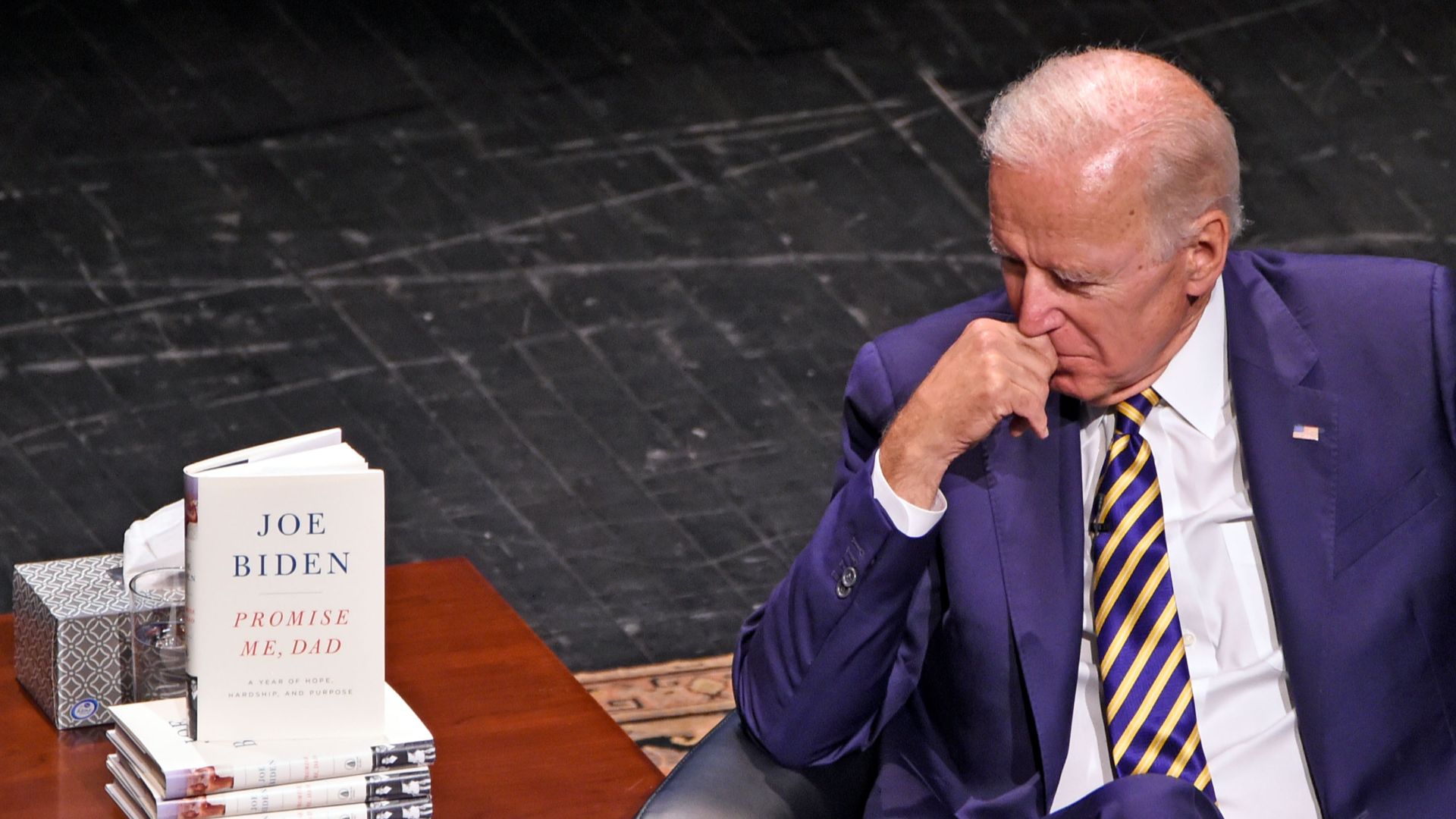
Former President Joe Biden has launched an aggressive legal effort to stop the House Judiciary Committee from obtaining — and potentially publicly releasing — audio recordings and transcripts of deeply personal conversations he held with the ghostwriter of his memoir, Promise Me, Dad: A Year of Hope, Hardship, and Purpose. The legal battle erupted after the Justice Department announced plans to transfer the recordings to Congress on June 15 following a reversal in federal disclosure policy under President Donald Trump's administration. The material sought by House Republicans reportedly includes roughly 70 hours of audio interviews Biden conducted with memoir ghostwriter Mark Zwonitzer during 2016 and 2017, conversations that heavily focused on the 2015 death of Biden's eldest son Beau as well as Biden's personal reflections on grief, family and public life.
Biden's legal team argues that the release of the recordings would constitute a major violation of privacy protections and federal law governing investigative materials seized by the government. According to court filings submitted in Washington, Biden's attorneys claim the recordings involve private conversations conducted inside Biden's home and were never intended for public dissemination outside the memoir drafting process. The filings describe the DOJ's planned disclosure as «an unwarranted invasion of privacy» while arguing the government has a legal responsibility to safeguard sensitive personal material obtained during criminal investigations. Biden's attorneys further argued that transferring the recordings to Congress serves «no legitimate legislative or public purpose» and instead appears politically motivated amid ongoing Republican efforts to scrutinize Biden's age and mental fitness during his presidency.
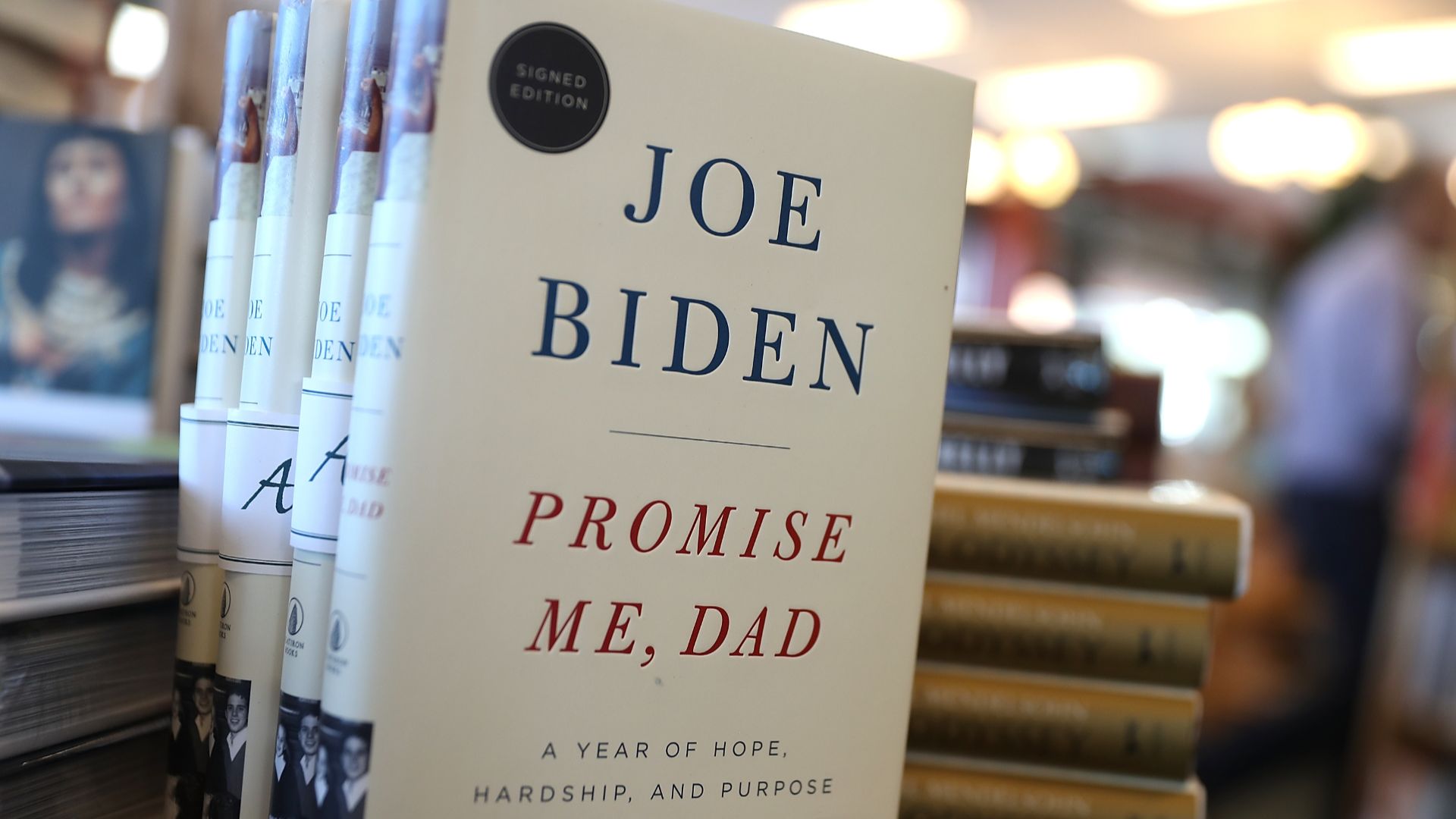
The recordings became entangled in federal investigations after Special Counsel Robert Hur obtained access to the material while investigating Biden's retention of classified documents following his vice presidency. Between 2023 and 2024, Hur reviewed the tapes and transcripts as part of his broader examination into whether Biden improperly retained classified records after leaving office. Although Hur ultimately declined to recommend criminal charges against Biden, the special counsel's final report generated enormous political controversy after describing Biden as «a well-meaning, elderly man with a poor memory.» Republicans later seized upon that language as evidence of cognitive decline while Democrats accused Hur of politically inflammatory commentary unrelated to the legal findings of the case itself.
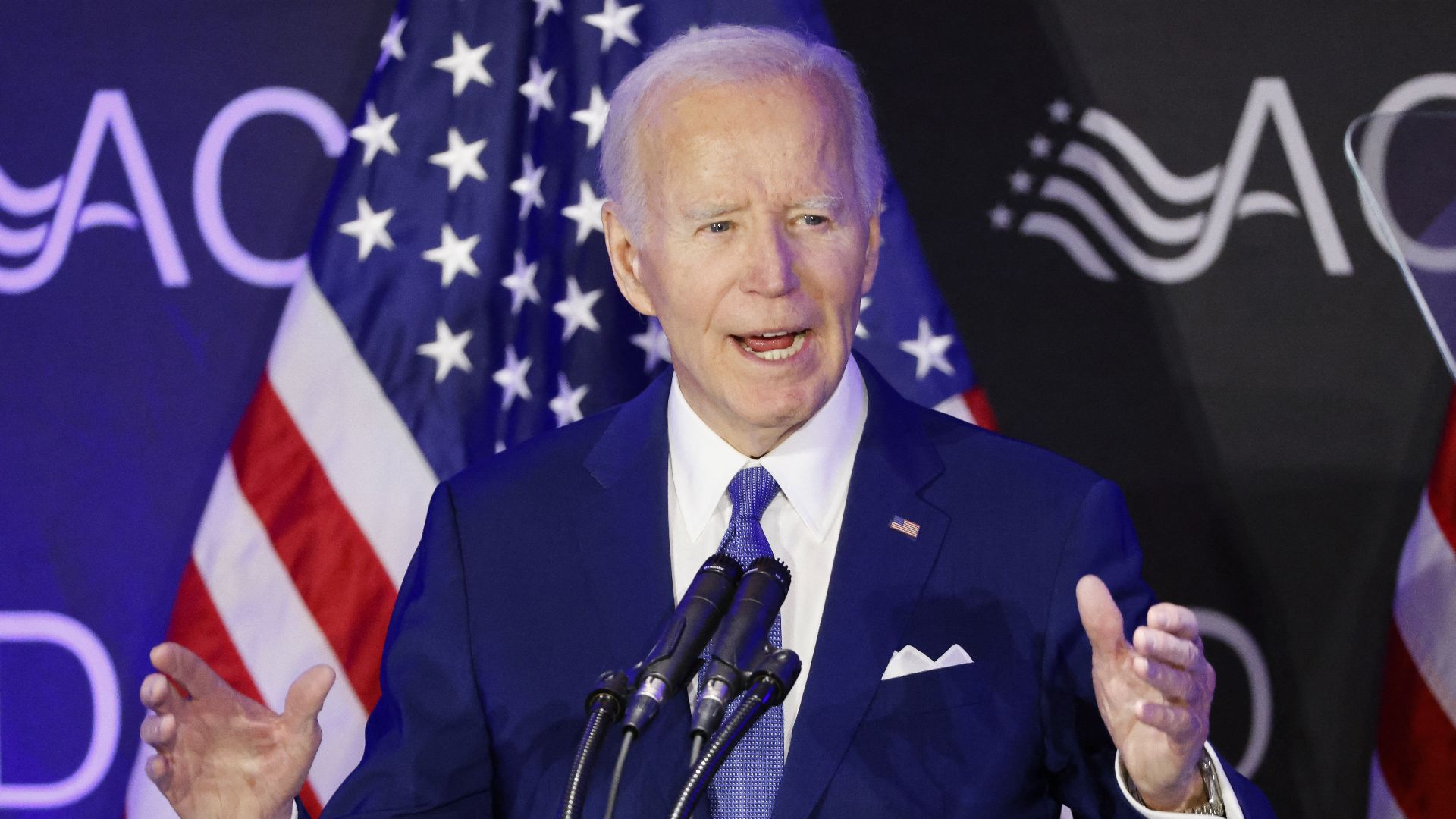
The Justice Department's position on the recordings changed significantly following Trump's return to office. Under the Biden administration, federal lawyers had previously maintained that the materials were exempt from disclosure under privacy protections and investigative exemptions tied to Freedom of Information Act requests. However, in February 2026, the DOJ quietly informed Biden's legal team that it intended to reverse course and comply with demands for the files. A DOJ spokesperson later argued the public had a right to evaluate Biden's «mental acuity» and cognitive condition during the period covered by the recordings. Republicans on the House Judiciary Committee, led by Representative Jim Jordan, have argued the tapes could provide additional insight into Biden's memory and state of mind while serving in public office.
«Every American, including a sitting or former Vice President, has a right to privacy in the personal conversations he has within his own home.»
-Joe Biden's lawyers in court filings
The fight over the recordings also involves conservative legal and political organizations seeking broader public disclosure of the files. The Heritage Foundation, a conservative think tank closely aligned with several Trump-era policy initiatives, previously launched a Freedom of Information Act lawsuit demanding access to the tapes. The organization has openly stated that it wants the recordings released in order to review Biden's speech patterns, memory and cognitive performance during the interviews. While heavily redacted transcripts of portions of the conversations have already been made public, the full audio recordings themselves remain sealed pending judicial review. Biden's legal team has now filed both a motion to intervene in the existing records lawsuit and a separate lawsuit in U.S. District Court in Washington seeking an emergency injunction blocking the release.
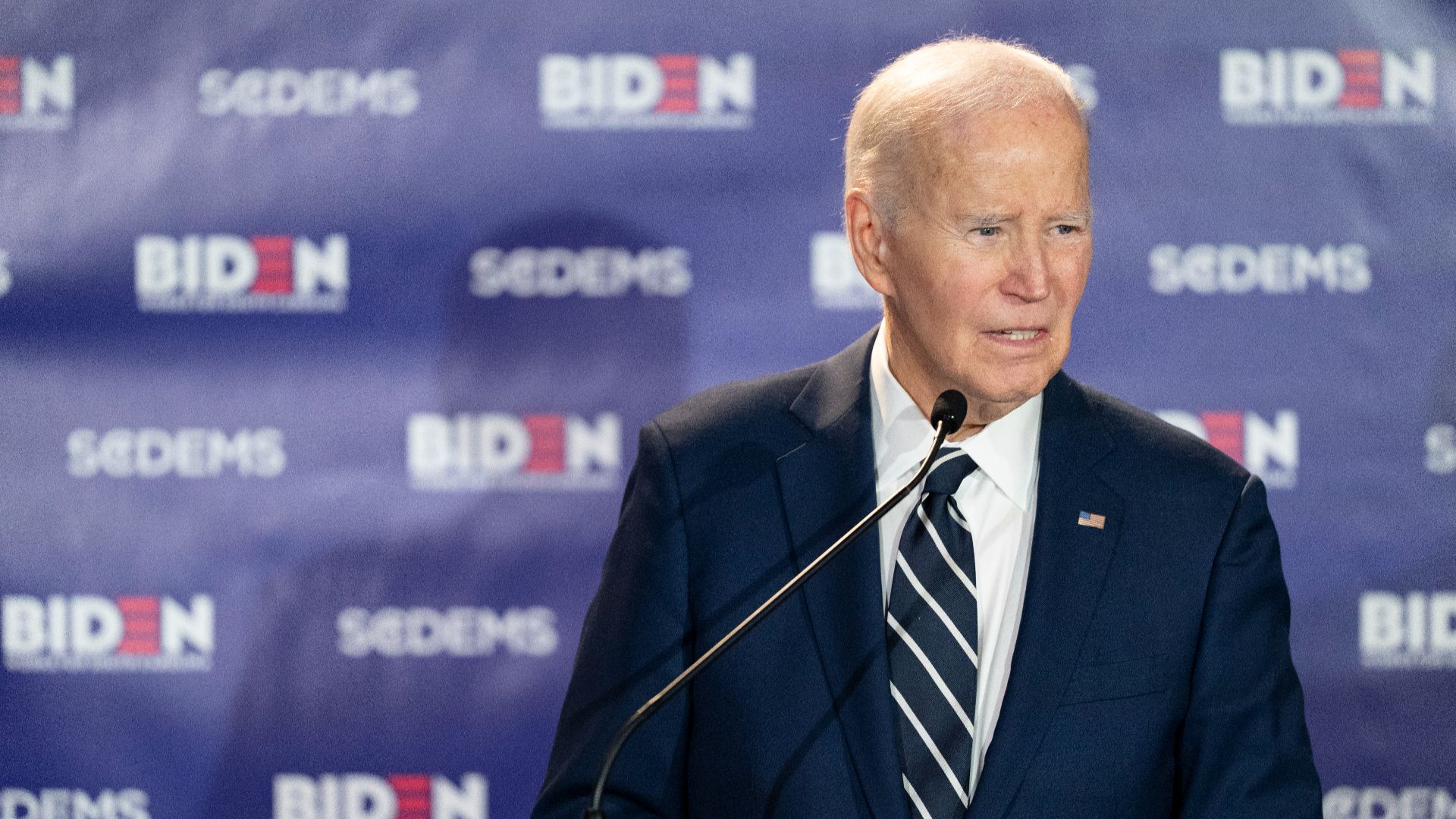
The escalating legal battle has rapidly become another flashpoint in the broader political war surrounding Biden's age, health and legacy following the end of his presidency. Republicans have increasingly argued that voters were not fully informed about Biden's cognitive condition while he remained in office, especially after his disastrous 2024 debate performance against Trump accelerated concerns inside the Democratic Party. Biden allies, however, accuse Republicans and Trump's Justice Department of attempting to weaponize intensely personal family conversations for political gain. The outcome of the case could ultimately determine whether Congress gains access to hours of unreleased audio involving one of the most emotionally difficult periods of Biden's life while simultaneously setting broader precedents about privacy protections surrounding investigative materials seized during federal criminal probes.
Created by humans, assisted by AI.
