

/https%3A%2F%2Fcdn-tor.buminteractif.com%2F2026%2F05%2F08170631%2Fmcdotrump-getty3-453gdfgdfg.jpg)
After several years of aggressive menu price increases across the fast-food industry, major restaurant chains have increasingly relied on value-focused promotions in an attempt to revive customer demand as Americans reduce discretionary spending under growing financial pressure. That strategy, however, was not enough for McDonald's during the latest quarter as the company missed Wall Street expectations for U.S. comparable sales growth. McDonald's reported same-store sales growth of 3.9 percent in the United States during the first quarter, below analyst expectations of a 4.2 percent increase. The weaker-than-expected performance arrived as consumers continue struggling with rising grocery bills and elevated gasoline prices tied partly to ongoing geopolitical instability surrounding Iran and tensions affecting global oil markets and shipping routes near the Strait of Hormuz. During the company's earnings call, McDonald's CEO Chris Kempczinski acknowledged the increasingly difficult economic conditions facing consumers, stating: «I think probably it's fair to say that (the macro-economic environment) it's certainly not improving, and it may be getting a little bit worse.»
The disappointing growth figures highlighted the growing challenge facing fast-food chains that built their modern reputation around affordability but are now confronting widespread consumer frustration over rising menu prices. Over the past several years, inflation, labor costs, supply chain disruptions and commodity increases pushed many restaurant operators to steadily raise prices across their menus. McDonald's became one of the most visible examples of that trend as customers increasingly posted complaints online accusing the company of “never-ending price increases.” Many consumers specifically pointed to products such as the McDouble, which is now promoted at a “value” price of $2.50 in some markets despite costing roughly 99 cents a decade ago. Social media users also criticized the disappearance of promotions that once attracted budget-conscious customers, including discounted combo offers, buy-one-get-one deals and low-cost meal bundles. For many Americans facing mounting housing, food and fuel expenses, fast food no longer represents the inexpensive option it once did during periods of economic uncertainty.
«We've listened closely to our customers and adjusted along the way.»
-McDonald's CEO, Chris Kempczinski
Kempczinski attempted to reassure investors by emphasizing that McDonald's strategy remains focused on maintaining relevance among financially strained consumers. During the earnings call, he explained: «We're measuring success in two ways: our ability to grow share with low-income consumers» before adding «and our ability to improve value and affordability scores.» The CEO repeatedly stressed that the company must reinforce its image as an affordable dining option during periods of economic stress. Kempczinski also highlighted what he described as McDonald's «a relentless focus on strengthening our value leadership,» pointing to the expansion of the company's McValue platform. The initiative now includes everyday menu items priced under $3, such as a $2.50 McDouble and a $1.50 Sausage McMuffin, alongside a $4 breakfast meal deal. Kempczinski added: «We've listened closely to our customers and adjusted along the way.» The company hopes the expanded discounts and value bundles will help stabilize customer traffic as household budgets remain under pressure nationwide.
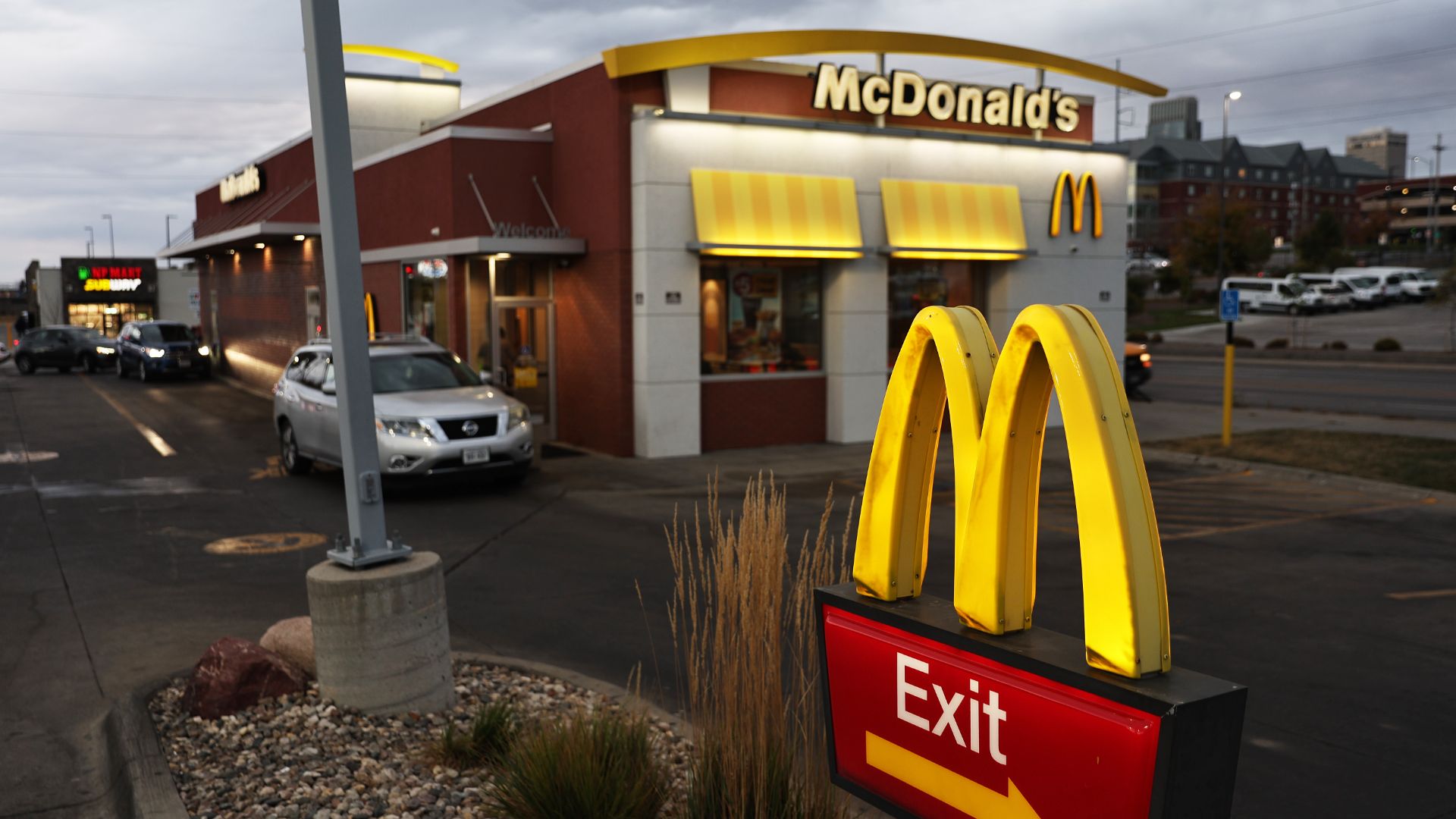
McDonald's challenges reflect a broader slowdown spreading across parts of the American restaurant industry as consumers become increasingly cautious about spending. Analysts noted that low-income consumers have been among the most financially impacted groups by inflation and rising borrowing costs during the past two years. At the same time, middle-income households have also begun reducing discretionary purchases as the cost of essentials continues climbing. Grocery prices remain elevated across multiple categories despite some easing inflation rates earlier this year, while gasoline prices surged again following renewed instability in the Middle East and fears surrounding shipping disruptions through the Strait of Hormuz, one of the world's most important oil transit chokepoints. Economic uncertainty has forced many households to prioritize necessities over dining out, even at traditionally lower-cost chains such as McDonald's. Several analysts warned that if fuel and grocery costs continue rising through the second half of 2026, the fast-food sector could face even greater pressure as consumers pull back spending further.
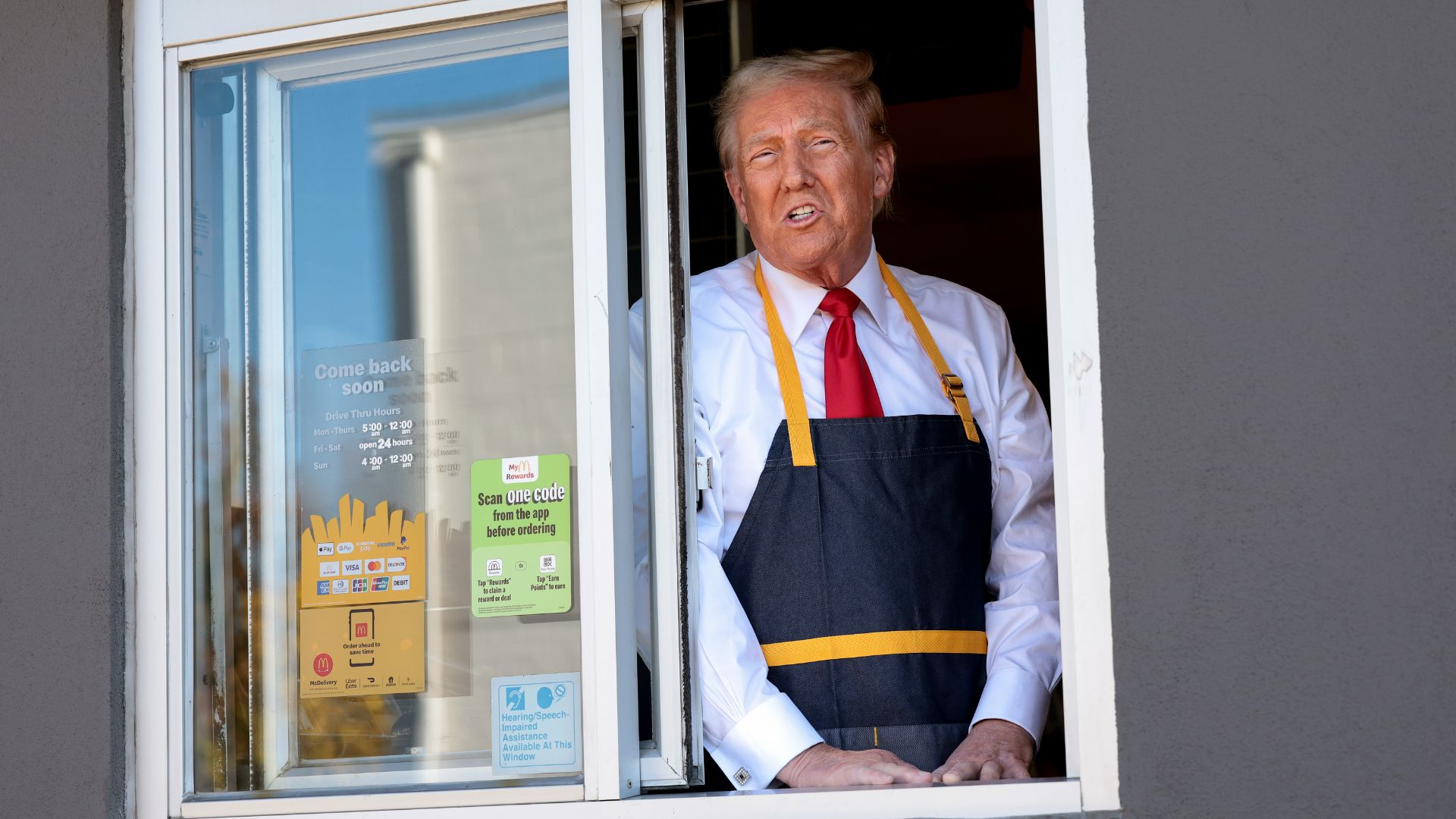
Despite the softer growth results, McDonald's continues to outperform several competitors facing even steeper declines in customer traffic. The company has increasingly leaned on digital promotions, loyalty programs and app-exclusive discounts to encourage repeat visits and maintain customer engagement. Industry analysts believe those programs have helped cushion some of the pressure caused by inflation and consumer fatigue. At the same time, McDonald's executives acknowledged that maintaining profitability while expanding low-cost promotions remains a delicate balance. Offering deeper discounts can help attract customers but may also reduce profit margins for both the corporation and franchise owners already dealing with higher labor and operating expenses. Several franchisees have privately expressed concern that the company's push toward value meals may not fully offset declining customer volume if economic conditions worsen further. The company nevertheless continues positioning itself as one of the few national restaurant chains capable of weathering prolonged economic pressure through scale, marketing reach and operational flexibility.
«I think probably it's fair to say that (the macro-economic environment) it's certainly not improving, and it may be getting a little bit worse.»
-McDonald's CEO, Chris Kempczinski
The situation facing McDonald's also underscores how dramatically consumer expectations around fast food have changed over the past decade. For years, chains such as McDonald's relied heavily on the perception that they offered quick and inexpensive meals during difficult economic periods. However, inflation and repeated menu price increases have significantly altered that relationship for many consumers. Online criticism aimed at McDonald's increasingly focuses not only on higher prices but also on the feeling that the company abandoned the aggressive promotional culture that once defined the brand. Many customers argue the value gap between fast food and casual dining has narrowed substantially, making restaurant choices harder to justify for price-conscious families. With tensions in the Middle East continuing to fuel uncertainty around fuel prices and grocery inflation remaining persistent, McDonald's and the broader fast-food industry may continue facing difficult conditions for the foreseeable future as companies attempt to convince consumers that affordability still exists inside the modern fast-food market.
Created by humans, assisted by AI.
