Nearly 40% of Republicans Now See Canada as Unfriendly or an Enemy as Trump’s Trade War Escalates


/https%3A%2F%2Fcdn-tor.buminteractif.com%2F2026%2F09%2F02165940%2Fcanada-trump-getty-345345345345dfg.jpg)
The relationship between the United States and Canada has deteriorated into a full-blown trade war, fueled by aggressive actions from the Trump administration, retaliatory measures from Ottawa and a striking partisan shift in how Americans view their northern neighbor. A late-August 2026 Economist/YouGov poll found that 38% of Republicans now describe Canada as either «unfriendly» or «an enemy» of the United States, illustrating how dramatically attitudes have changed among a significant portion of the GOP electorate. The hostility is far from universal across the country, however. Overall, 73% of Americans continue to hold a positive view of Canada, underscoring an increasingly sharp political divide over a country that has traditionally been considered one of Washington's closest economic and strategic partners.
The divide becomes even more pronounced when Republican voters are separated according to their political identification. Among MAGA Republicans, 74% support increasing tariffs on Canadian imports, compared with only 27% of non-MAGA Republicans, suggesting that support for the confrontation is particularly concentrated within Trump's most loyal political base. Nearly half of Republicans — 49% — also believe Canada treats the United States unfairly on trade. Democrats stand at the opposite end of the debate, with 87% opposing higher tariffs on Canada, while the broader American electorate remains substantially more skeptical of escalating the economic confrontation. Those numbers illustrate how Trump's «America First» approach toward Ottawa has become more than a dispute over tariffs and market access, increasingly dividing Americans along partisan lines over how they perceive Canada itself.
“Look, I don't know how you feel about Canada. They are one of the worst countries in the world to deal with. They have taken advantage of the United States for many decades.”
-U.S. President, Donald Trump
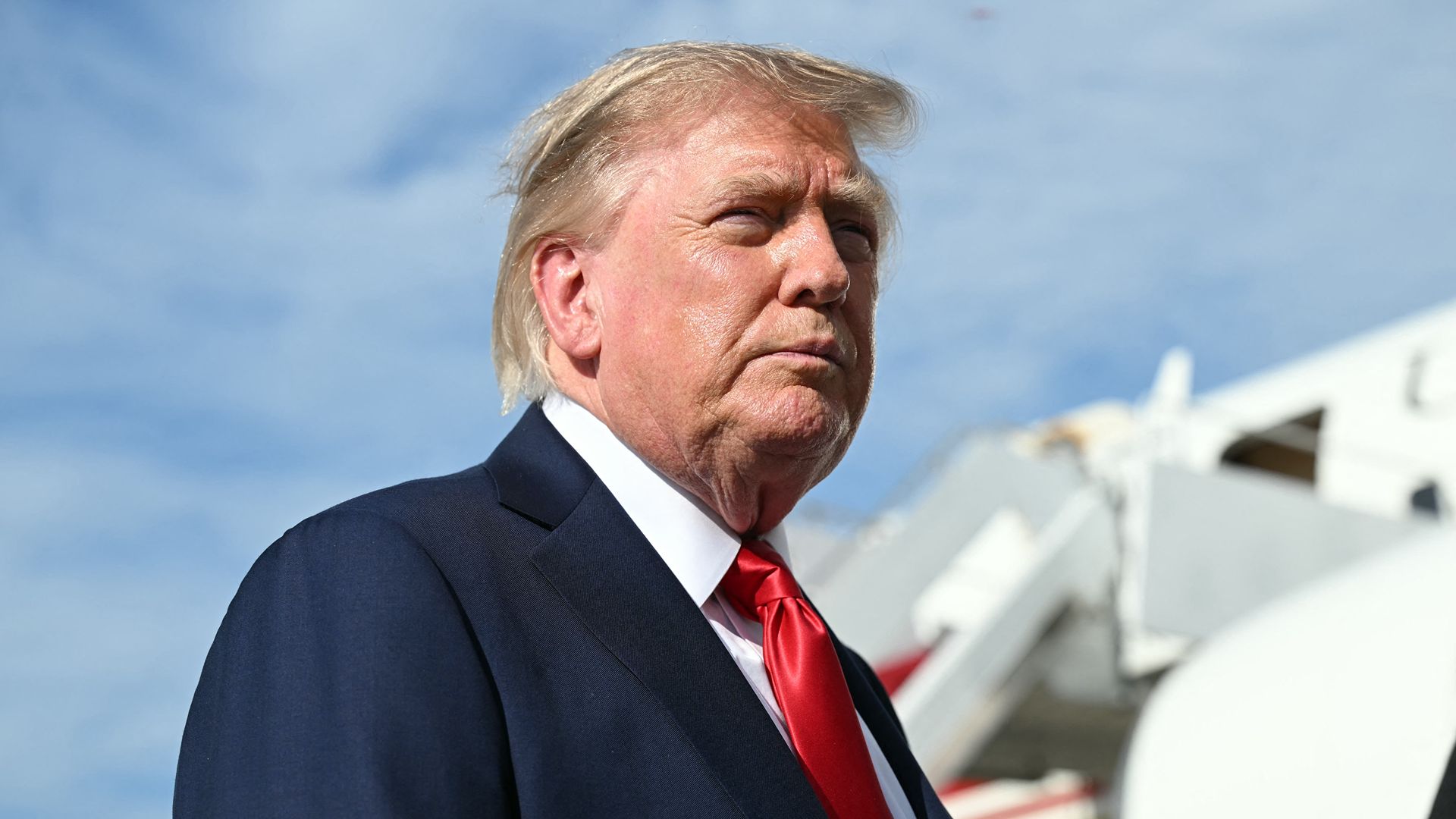
That political shift has unfolded alongside an increasingly hostile campaign from Trump and members of his administration against Canada. Trump has described the country as «one of the worst countries» to negotiate with, accused it of «ripping off» the United States for decades and publicly attacked Canadian officials as «clowns». The confrontation has also produced unusual symbolic provocations, including Trump's effort to have his administration refer to Lake Ontario as «Lake America», an idea he later insisted he «wasn't joking» about. Meanwhile, the collapse of bilateral trade negotiations on August 21 generated another round of accusations. Vice President JD Vance and other administration officials blamed Ottawa for destroying what they characterized as a potentially favorable agreement through unreasonable last-minute demands, while Canada maintains that Washington's conditions threatened its economic sovereignty and critical domestic industries.
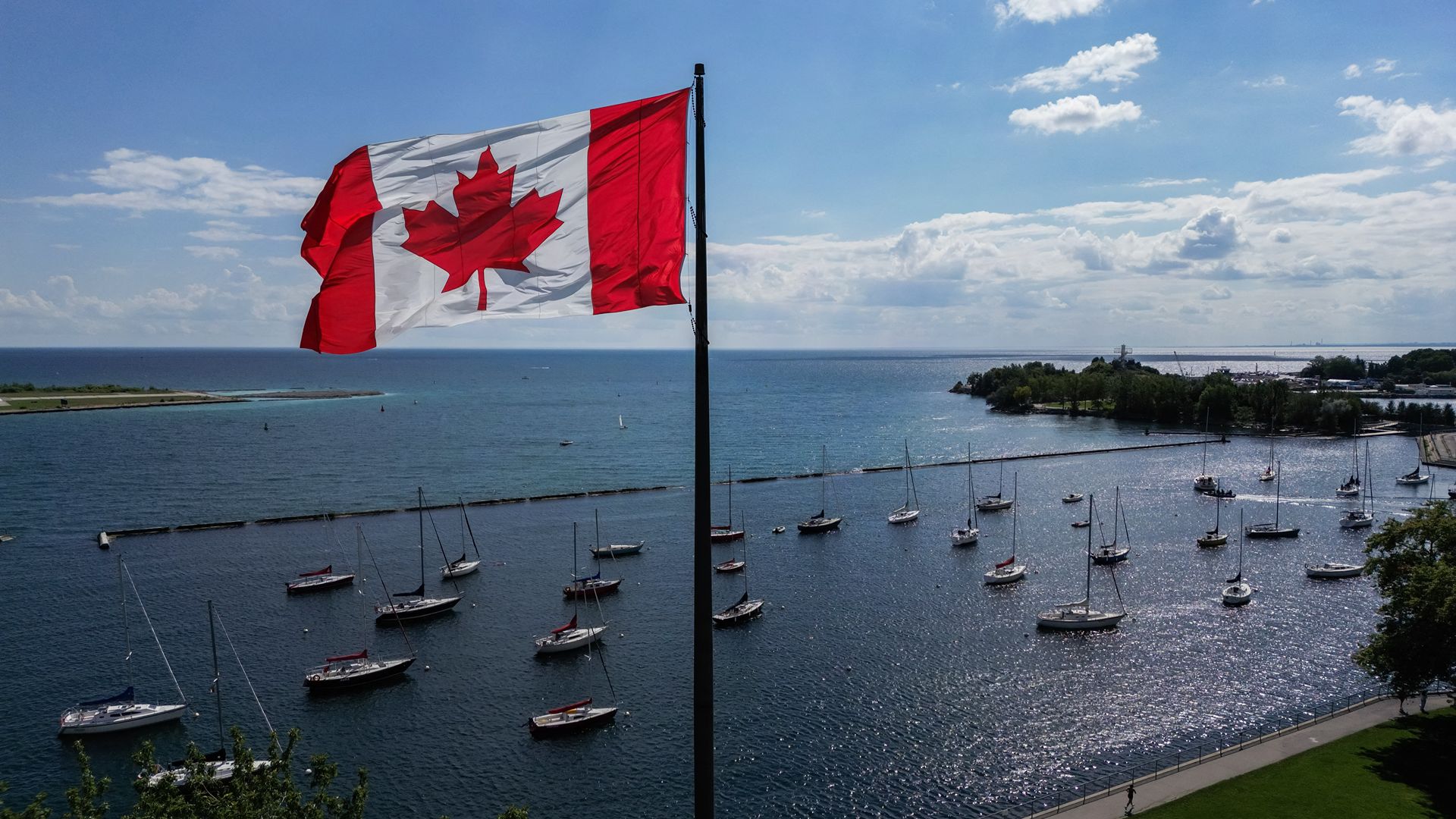
The economic consequences of that political confrontation are now becoming increasingly difficult to separate from the rhetoric. After high-stakes negotiations collapsed on August 21, Washington imposed a 50% tariff on approximately $28 billion worth of Canadian exports, adding to duties already affecting major sectors including steel, aluminum, lumber and automobiles. Canada responded with its own retaliatory measures, announcing an immediate $30 billion tariff package targeting more than 700 American products, including steel, aluminum, clothing, furniture, alcohol and food. Ottawa has also prepared another $125 billion in phased counter-tariffs as the confrontation continues. Carney has characterized Canada's strategy as a «dollar-for-dollar» response, signaling that his government will not simply absorb escalating American trade penalties without imposing economic costs of its own.
The political divide over those measures is particularly striking. While 74% of MAGA Republicans support raising tariffs on Canadian imports, 87% of Democrats oppose doing so, reflecting radically different interpretations of the dispute. Democrats overwhelmingly continue to view Canada favorably and largely reject the idea that Washington should treat its northern neighbor as an economic adversary. Among Republicans, however, 49% now believe Canada treats the United States unfairly on trade, helping explain why increasingly confrontational policies have found stronger support within Trump's base. The contrast is especially notable because Americans overall remain considerably more favorable toward Canada than the Republican numbers alone suggest. With 73% of the broader public still holding positive views, the 38% Republican figure points to a distinctly partisan deterioration rather than a wholesale American rejection of Canada.
«When the Americans stop doing memes, stop throwing shade, stop trying to be tough and start being serious about having those discussions, we can have those discussions. But look, it's not constructive, but that is their democracy.»
-Canada Prime Minister, Mark Carney
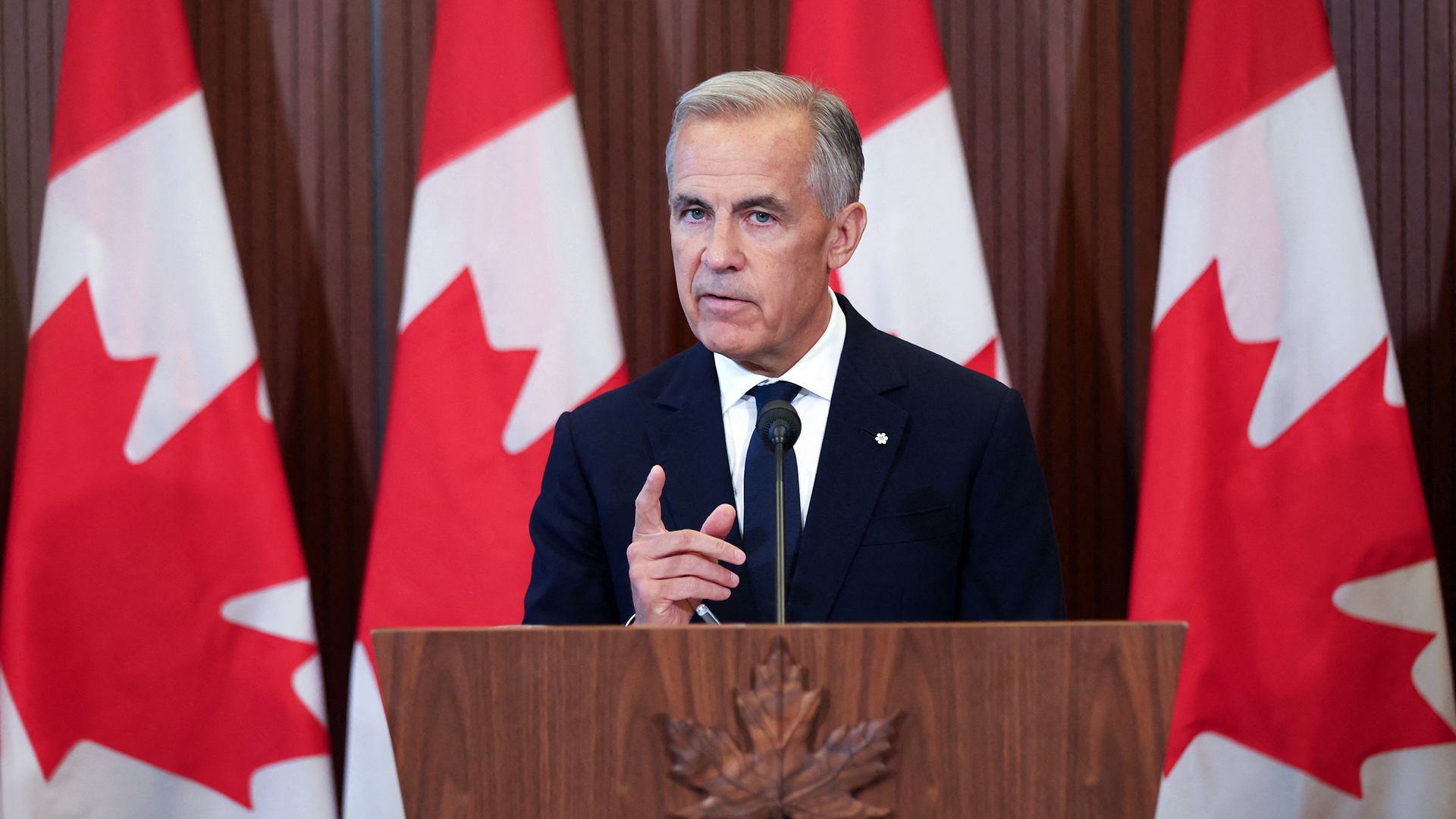
Carney, meanwhile, has made clear that Canada remains willing to resume negotiations despite the tariffs and political hostility, but only under conditions Ottawa considers serious and respectful of Canadian sovereignty. After Washington's online attacks, memes and provocations intensified, Carney told the administration to «stop doing memes, stop throwing shade and stop trying to be tough». His government argues that the negotiations failed because American proposals threatened to leave important Canadian manufacturing industries «gradually wound down in Canada and wiped out», while also restricting Ottawa's ability to independently pursue international trade relationships. Carney has therefore rejected the idea that Canada must capitulate to restore economic stability. As the trade war deepens, the dispute is increasingly testing not only cross-border commerce but how Americans themselves perceive one of their country's oldest allies.
Created by humans, assisted by AI.
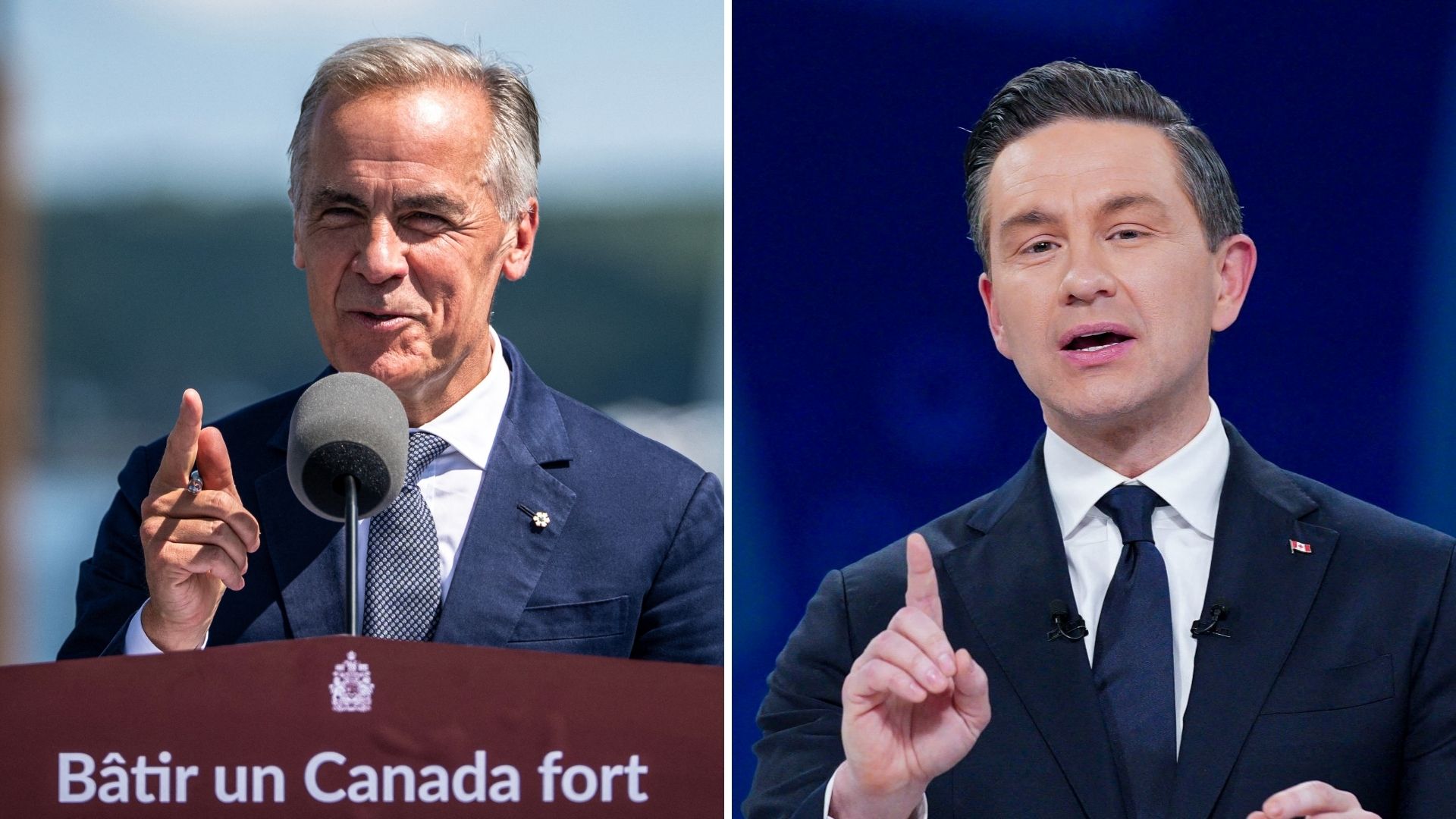 Mark Carney scores three major election wins as Pierre Poilievre faces renewed leadership crisis
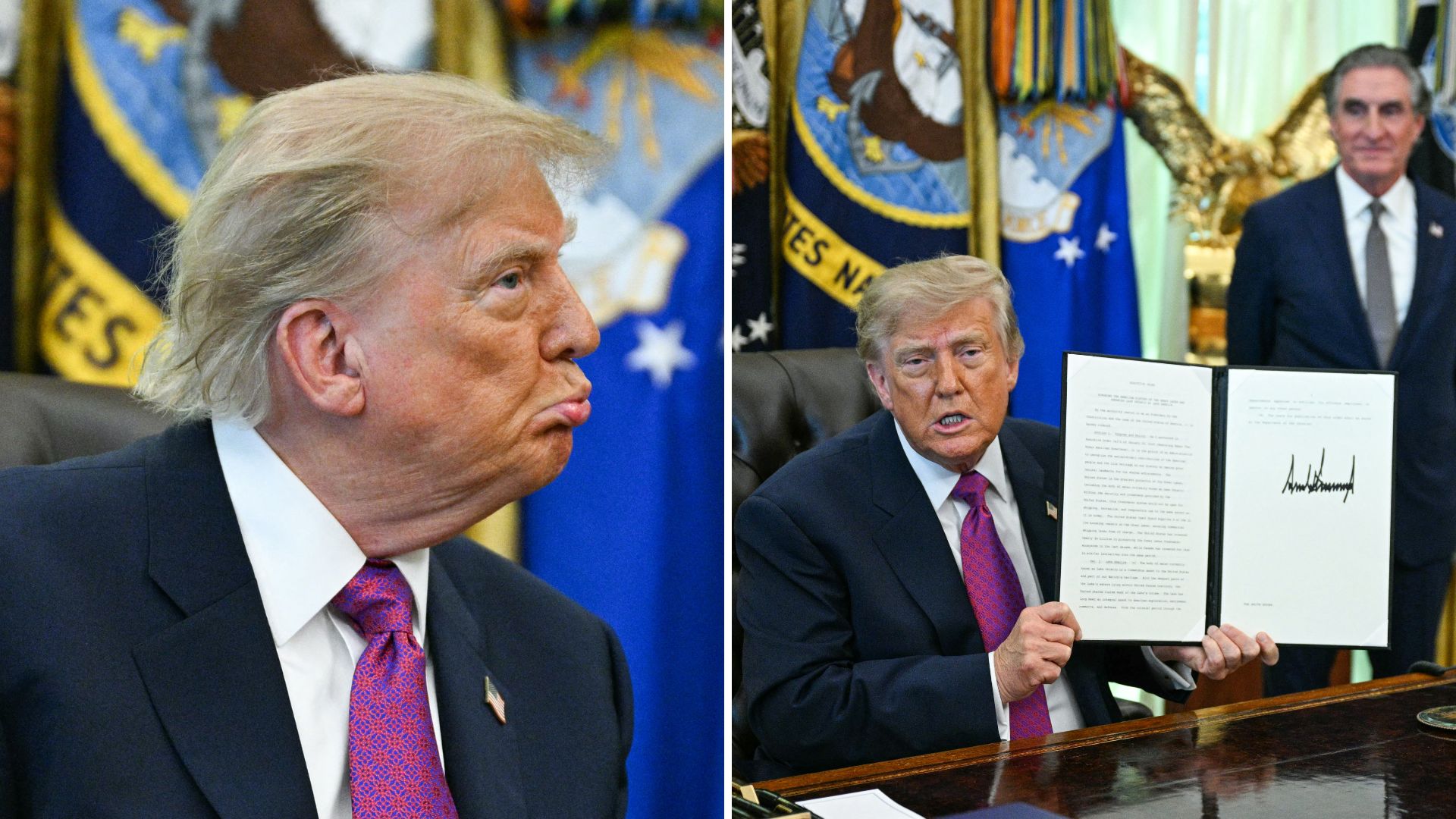 Trump signs executive order renaming Lake Ontario 'Lake America,' says 'All it takes is a good pen and some intelligence'