/https%3A%2F%2Fcdn-tor.buminteractif.com%2F2026%2F08%2F18132308%2FPaul-St-Pierre-Plamondon.jpg)
- PSPP is trying to shift the debate toward the economy.
- The referendum remains a difficult issue to brush aside.
- His opponents could exploit the national question.
- Its referendum timeline is intended to reassure voters.
- The PSPP will have to convince people without stoking their concerns.
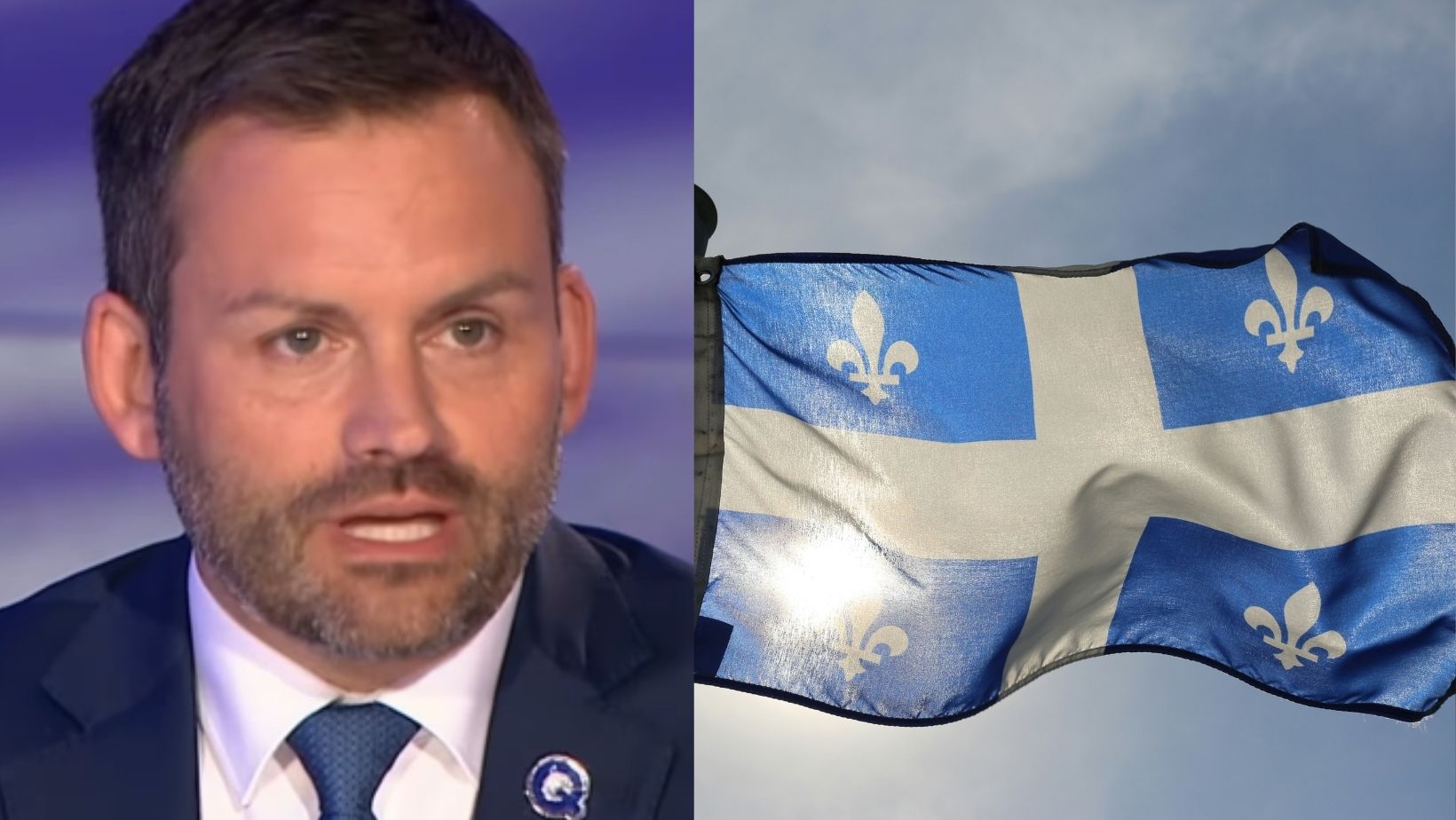
Paul St-Pierre Plamondon would like to talk about something else. About purchasing power. About public finances. About French. About the balance of power with Ottawa. About the idea of a government that would finally have a free hand to act. But behind almost every one of these proposals lies the same question—the one that has dogged the Parti Québécois since its return to the top of the polls: What will PSPP do with the independence project if it takes power?
The PQ leader has, however, taken a significant step to try to allay this concern. A potential referendum would not be held during Donald Trump's presidency. In other words, the vote would be postponed until after 2029, allowing the PQ to maintain its commitment while avoiding giving voters the impression that they are voting on October 5 only to find themselves quickly facing another historic campaign.
It's a politically astute move. But it doesn't make the issue go away.
For PSPP itself continues to speak of independence, of powers to be repatriated, and of the balance of power with Ottawa. It also affirms that its commitment remains intact, whether it leads a majority or minority government. The referendum is therefore no longer presented as an immediate urgency, but it remains a cornerstone of the project.
Voters are less interested in the referendum than PSPP is
The available data, however, provides valuable insight for the PQ leader. The referendum issue is not at the top of Quebecers' list of concerns. The cost of living, healthcare, and housing take up much more of their attention. Even among voters who say they intend to vote for the PQ, the referendum is not necessarily the primary reason for their choice.
This gives PSPP an opening.
He can tell voters that a PQ victory does not mean a referendum tomorrow morning. He can ask them to judge the PQ on its ability to govern, defend Quebec's interests, and secure more powers from Ottawa. Above all, he can try to turn the October 5 vote into a vote on the future government rather than a prelude to a referendum.
But his opponents have fully grasped the danger.
The more PSPP talks about the “balance of power” with Ottawa, the more he talks about powers to be reclaimed. The more he promises to change the rules of the game, the more his opponents can point out where this logic ultimately leads. The CAQ can present itself as a nationalist option without a separatist agenda, while the PLQ can rely on a much clearer federalist stance.
The referendum, therefore, does not need to be at the center of the PSPP's rhetoric to be at the center of the attacks against it.
And yet, it would be unwise to believe that the national question has become secondary. The great blue wave that brought the Parti Québécois back to the top of the polls shows, rather, that the independence movement can still spark genuine electoral mobilization. The paradox is that this wave does not necessarily mean that everyone wearing PQ blue is already ready to take the plunge into the referendum fray.
This is precisely where PSPP must tread carefully. He can take advantage of this resurgence to talk about purchasing power, the economy, the French language, and the balance of power with Ottawa. But the higher his party climbs in the polls, the more his opponents will have an interest in reminding voters what lies behind the platform: a push for independence that hasn't gone away, even if its timeline has been pushed back.

The real challenge for the PSPP will be to split the vote
This may be the masterstroke he must pull off between now and October 5.
Convincing one voter that they can vote for the PQ without having to settle the issue of independence today. Convincing another voter—a sovereignist this time—that postponing the referendum does not mean abandoning the cause. And in between, building the image of a premier capable of governing on a day-to-day basis.
The problem is that PSPP has built much of his credibility on the consistency of his convictions. His strategic step back on the referendum timeline was precisely interpreted as a way to reassure a concerned electorate without renouncing his goal.
He therefore cannot push the referendum too far into the future without risking frustration among his base. But if he brings it to the forefront too often, he risks alienating those who simply want a change in government.
Until October 5, the PSPP will therefore have to walk a fine line: talking about independence without turning the election into a referendum on independence.
Its challenge will be to convince voters that they can give it power without immediately giving it their answer to the national question. In other words, it will have to pull off a remarkable political feat: putting the referendum on hold without downplaying independence.
Because this campaign could ultimately come down to a very simple question: Do Quebecers want to change their government first… or change their country?