Quebec 2026: The Referendum Steals the Spotlight from the Leaders During the Second Debate


/https%3A%2F%2Fcdn-tor.buminteractif.com%2F2026%2F09%2F17143343%2Fcouverture.jpg)
- 20 duels, five chefs, very little respite.
- One word comes up much more often than expected.
- The third link is once again entering the fray.
- Health care and public services spark heated exchanges.
- Each leader tries to set the agenda.
The discussion was supposed to focus on the economy, public services, and the future of Quebec. Instead, much of the conversation revolved around a word that Christine Fréchette had clearly decided not to let lie dormant in a corner of the studio: referendum.
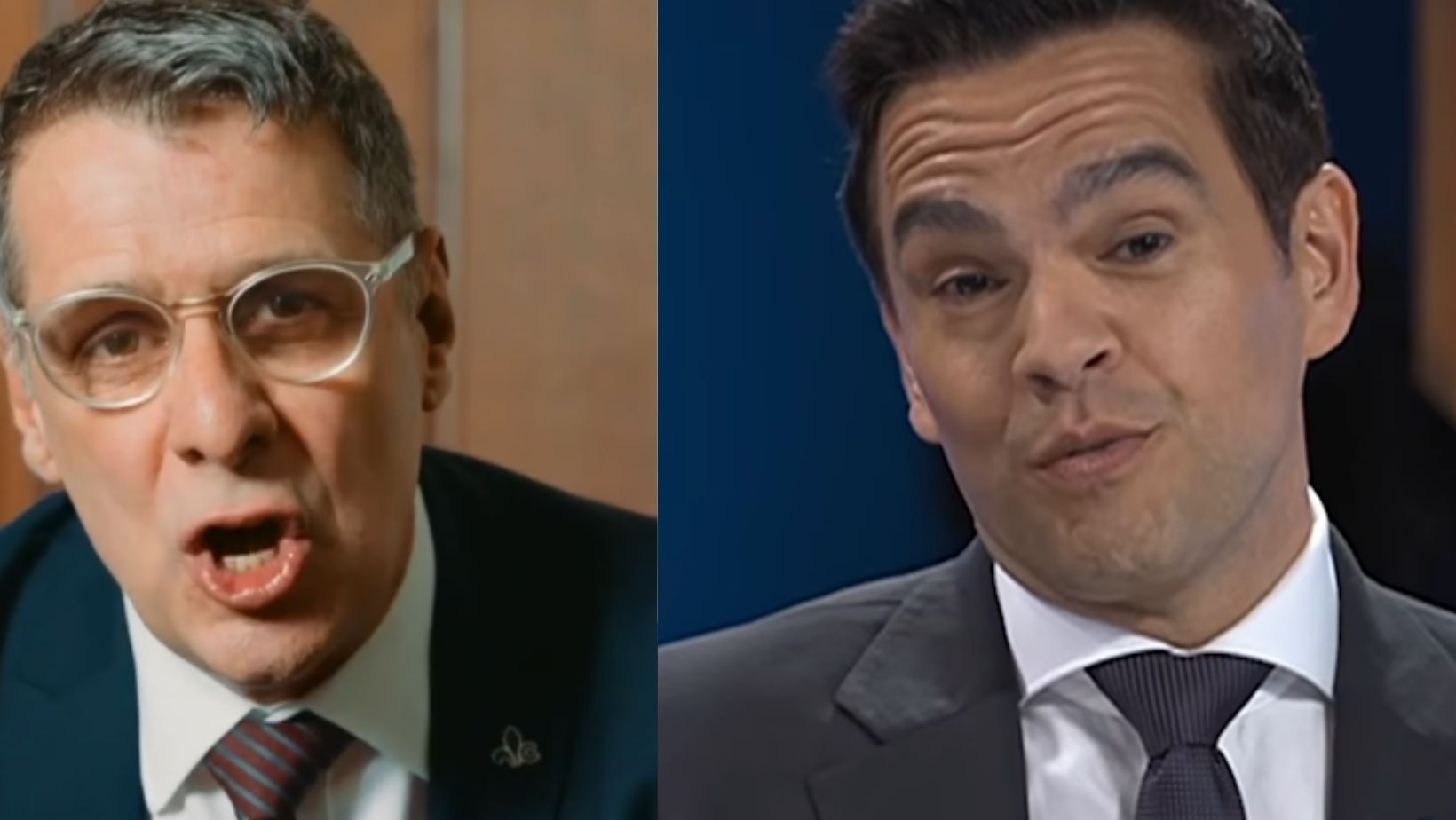
From the very first minutes of Noovo's Leaders' Grand Debate, the CAQ leader took aim at Paul St-Pierre Plamondon and his sovereignty project. Her argument was simple: a referendum would create uncertainty at a time when Quebec should instead be focusing on its economy and public services. Fréchette then returned to this idea several times, even as the topics shifted.
PSPP, for his part, refuses to let the entire evening be consumed by the referendum issue. Every time he is attacked on the subject of sovereignty, he tries to steer the conversation back to the CAQ's track record. Health care, public finances, government management, controversial projects: the examples come thick and fast. He wants to demonstrate that an election should not be reduced to a single issue.
And therein lies the paradox of the evening. While several leaders are trying to take aim at PSPP—who arrives at the debate having topped several polls—Christine Fréchette must regularly defend her own record. Charles Milliard and Éric Duhaime follow suit on several issues.
The debate moves at breakneck speed. Twenty one-on-one exchanges, five leaders, brief exchanges, and very little time to develop an idea. It's a format that keeps things moving, but it also turns some discussions into veritable games of political ping-pong.
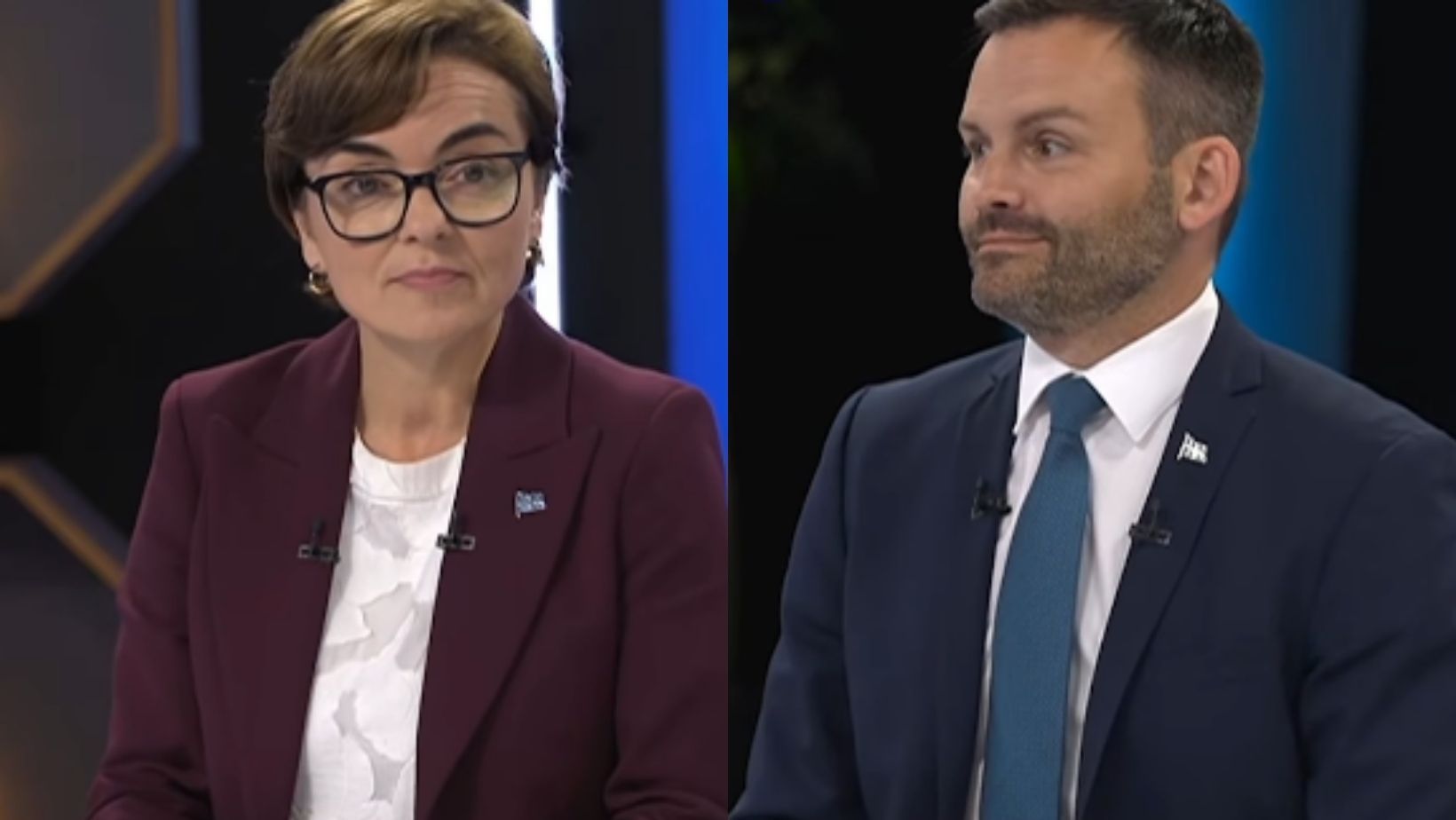
The third link comes up again, then the tone of the health discussion shifts completely
Ruba Ghazal takes advantage of this very format to deliver one of the sharpest retorts of the evening. When the third link comes up again in the conversation, she accuses the CAQ of rediscovering a “passion” for the project every election cycle, only to later suffer a “breakup.” Fréchette defends his approach, but Ghazal's remark sticks.
Duhaime, for his part, sticks to his usual talking points: reducing bureaucracy, the size of government, and increased reliance on the private sector. This is particularly evident during his exchange with the PSPP on healthcare. The PQ leader defends the public system and challenges the idea that the private sector alone can solve access issues. Duhaime maintains that giving the private sector a greater role could improve efficiency.
PSPP responds with a phrase that sums up their disagreement: “A doctor in the private sector doesn't create one more doctor.”
Charles Milliard, for his part, seeks to take center stage, particularly on public finances and the economy. But even when he tries to shift the conversation, the referendum keeps coming up. In particular, he raises concerns about the repercussions such a proposal might have. PSPP refuses to make this issue the centerpiece of its platform and steers the discussion back to what it considers to be the current government's problems.
Meanwhile, Ghazal remains very focused on social issues, particularly housing, public services, and living conditions. Duhaime, for his part, seeks to push his proposals on the size of government and public services, while striking a more compassionate tone when addressing homelessness.
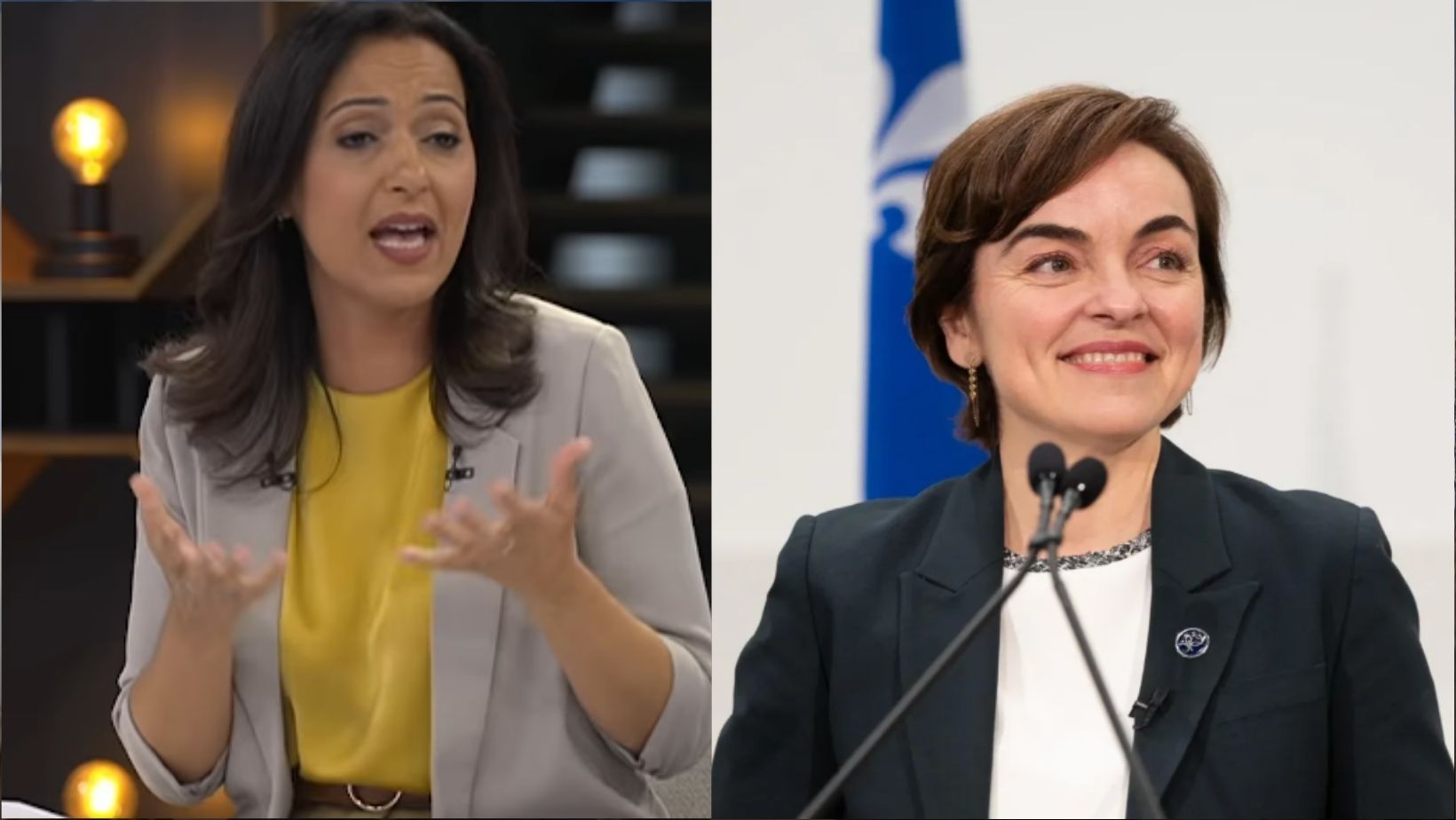
In the end: five leaders, five strategies, and one word that sums up the debate
And that may be the most interesting aspect of this evening: the five leaders didn't really experience the same debate.
For Fréchette, the goal was to prevent the sovereignty project from becoming an acceptable backdrop. For PSPP, the goal was to demonstrate that it could speak like a government-in-waiting while weathering attacks on the referendum. For Milliard, the challenge was to carve out a space for himself between the PQ and the CAQ. Ghazal focused on public services, social issues, and retorts that could make an immediate impact. Duhaime, for his part, constantly steered the discussion back to the size of government, the private sector, and his own proposals.
The format produced some sharp exchanges, but also a lot of rapid shifts in topic. A question about finances could turn into a discussion about sovereignty. A discussion about young people could circle back to the referendum. The “third link” would reappear, then disappear, before resurfacing elsewhere.
After the debate, the published analyses were not entirely unanimous in their assessment of the evening. Some focused primarily on the PSPP's composure and the performances of Ghazal and Duhaime, while others emphasized Fréchette's difficulty in fending off attacks targeting the CAQ's record.
One thing, however, is hard to miss. In this debate, where everything had to move quickly, a single word managed to follow the leaders almost everywhere.
Referendum.