Renee Good’s Family Sues Trump Administration Over Controversial ICE Killing That Sparked Nationwide Outrage


/https%3A%2F%2Fcdn-tor.buminteractif.com%2F2026%2F10%2F01192004%2Frenee-good-getty435345gdfgdfg345345.jpg)
As the first anniversary of Renee Good's death approaches, the family of one of the U.S. citizens killed during the highly controversial federal immigration crackdown in Minneapolis is taking the Trump administration to court. On October 1, Good's family filed two federal civil lawsuits against the U.S. government, ICE officer Jonathan Ross and several current and former administration officials over the January 7 killing of the 37-year-old mother of three. Good was shot inside her SUV during Operation Metro Surge, the massive immigration enforcement campaign that brought thousands of federal officers into Minnesota and generated intense protests over their tactics. Her death became one of the defining flashpoints of that operation, particularly after another U.S. citizen, 37-year-old ICU nurse Alex Pretti, was fatally shot by federal immigration officers just 17 days later. The new lawsuits accuse federal authorities of wrongful death, excessive force and a broader conspiracy to violate civil rights.
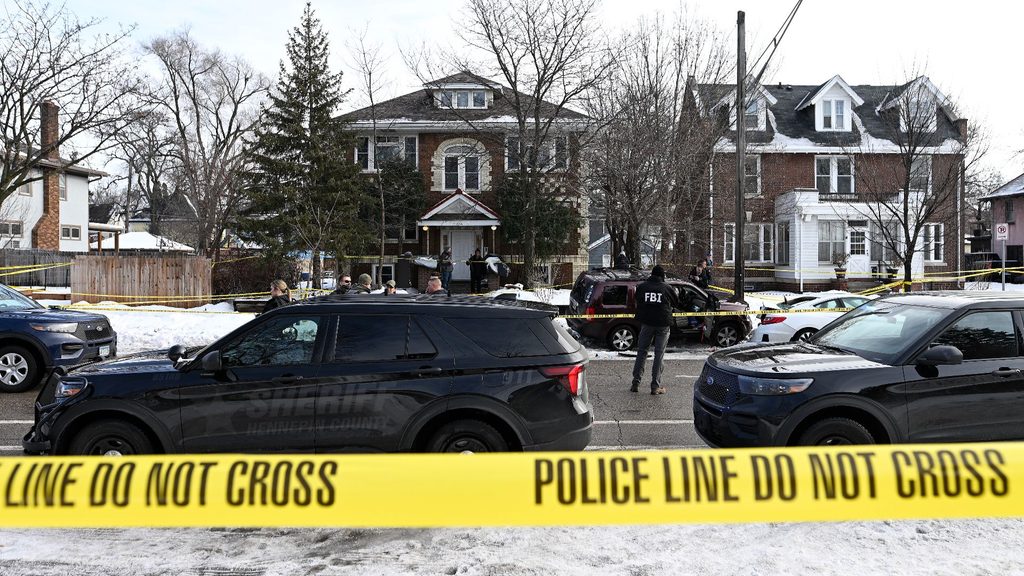
Good's death unfolded on a Minneapolis street after she and her partner, Becca Good, came out to support neighbors during the federal immigration operation. Good was behind the wheel of her SUV, partially blocking the roadway and repeatedly honking her horn as immigration officers operated nearby. Video from the encounter shows officers approaching the vehicle before Good briefly reversed and then began moving forward and turning away. Ross, who was positioned near the front of the SUV, moved out of its path before firing three shots at close range as the vehicle continued away from him. Good was struck multiple times and later pronounced dead after arriving at Hennepin County Medical Center. Her family's lawsuits go further, alleging that Ross and other federal officers unlawfully detained her, used unjustified deadly force and then failed to provide timely medical assistance or allow others nearby to help her after she had been shot. Federal officials have maintained that Ross acted in self-defense, making the circumstances surrounding those final seconds central to the legal battle now beginning in federal court.
The family is pursuing accountability through two separate cases that target different parts of the federal government's role in Good's death. The first, brought against the United States under the Federal Tort Claims Act, alleges wrongful death under Minnesota law based on claims including battery, assault, false imprisonment, intentional infliction of emotional distress and negligence. The second case targets Ross individually along with several prominent current and former Trump administration figures, including White House Deputy Chief of Staff Stephen Miller, former Homeland Security Secretary Kristi Noem and former Border Patrol commander Gregory Bovino. That complaint alleges a conspiracy to interfere with civil rights and contends that Operation Metro Surge was carried out in a discriminatory manner against Somali and Hispanic communities while also seeking to intimidate people who opposed or documented federal immigration operations. The civil-rights case invokes the Ku Klux Klan Act of 1871, turning Good's individual death into part of a much broader legal challenge to how the federal crackdown was designed and conducted.
«I want to see nobody get shot. I want to see nobody screaming and trying to run over policemen either.»
-U.S. President, Donald Trump
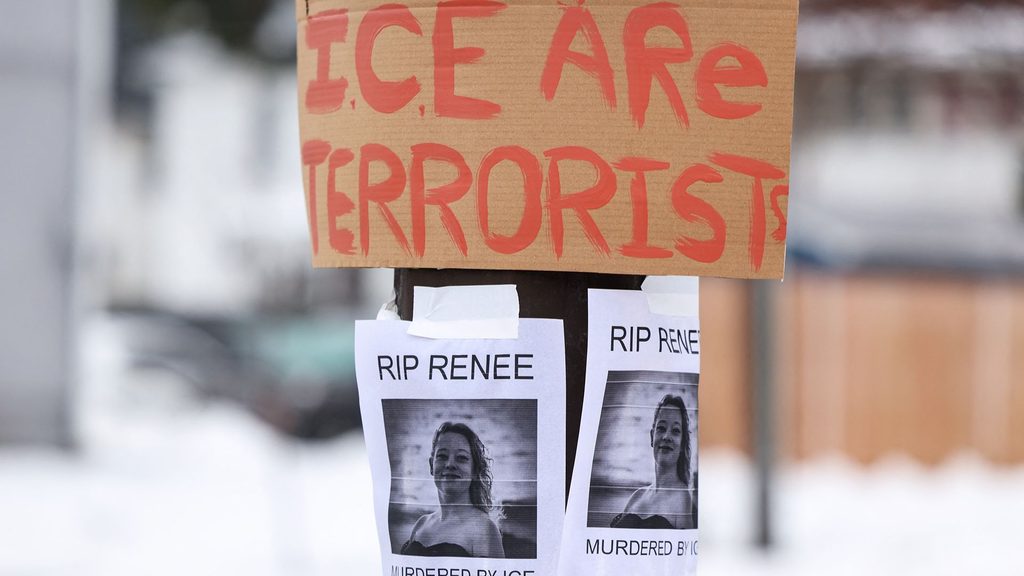
Good's killing quickly grew beyond the circumstances of a single encounter, triggering demonstrations in Minneapolis and protests elsewhere in the country as images of the 37-year-old mother became associated with opposition to the administration's immigration crackdown. The controversy intensified dramatically on January 24, just 17 days later, when federal agents fatally shot another U.S. citizen, 37-year-old intensive-care nurse Alex Pretti, during a separate confrontation in Minneapolis. The two deaths brought heightened scrutiny to Operation Metro Surge and the tactics used by immigration officers deployed to the city. Good's relatives later appeared in Washington seeking accountability, with her mother, Donna Ganger, and brother Brent participating in congressional testimony about the shooting and its aftermath. The family has emphasized that its demand for answers extends beyond partisan politics, while the two deaths became central to a wider national debate over federal immigration enforcement, the use of deadly force and the treatment of Americans who observed or protested immigration operations.
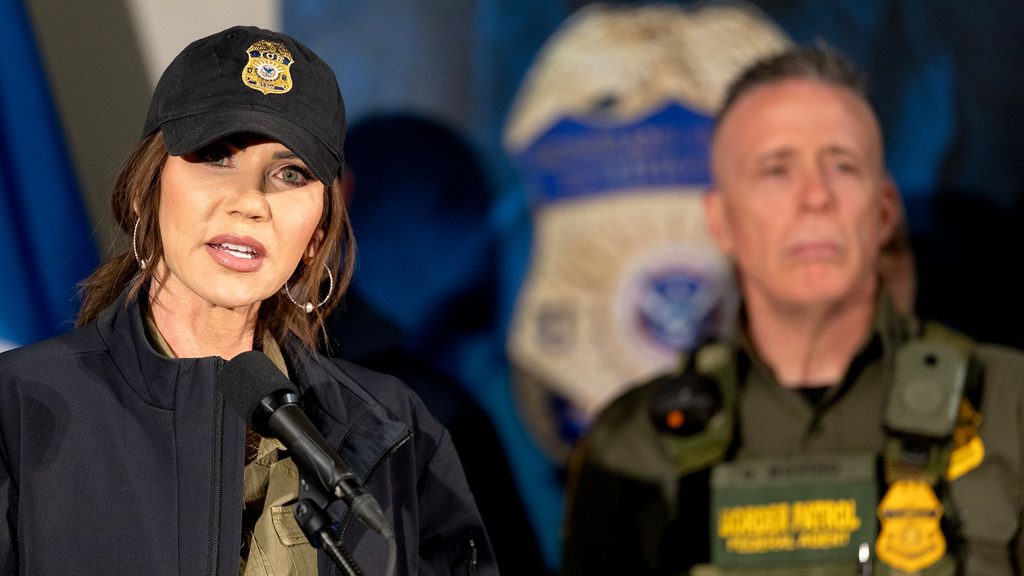
From the hours immediately following Good's death, however, the Trump administration presented a sharply different account of the confrontation and defended the ICE officer who fired the fatal shots. Federal officials said Ross acted in self-defense, while the Department of Homeland Security accused Good of using her SUV as a weapon against officers and characterized the episode as an «act of domestic terrorism». Trump similarly defended the officer and claimed Good was «very disorderly, obstructing and resisting, who then violently, willfully, and viciously ran over the ICE Officer». He later told reporters, «I want to see nobody get shot. I want to see nobody screaming and trying to run over policemen either», describing what happened as a «vicious situation». Kristi Noem, then serving as Homeland Security secretary, also accused Good of «stalking and impeding» federal officers and said she had «weaponized her vehicle». Those assertions became a major point of dispute as videos of the shooting were examined publicly and Good's family challenged the government's description of the encounter.
Aggressive confrontations with residents and observers
The lawsuits now move that dispute from public demonstrations and political arguments into federal court, where Good's family is seeking both compensation and broader accountability for the operation that preceded her death. Their complaints contend that what happened on January 7 cannot be separated from the way Operation Metro Surge was organized and carried out, alleging that senior officials helped create conditions in which aggressive confrontations with residents and observers were foreseeable. The government, by contrast, has maintained that Ross faced a threat and was justified in using deadly force. Good's family is represented in part by Chicago civil-rights firm Romanucci & Blandin, which previously represented George Floyd's family, and the litigation could require courts to examine not only Ross's actions during the shooting but also decisions made higher within the federal government. Nearly nine months after Good was killed, her death remains at the center of a continuing fight over immigration enforcement, federal power and who should be held responsible when those operations turn deadly.
Created by humans, assisted by AI.
 Trump DOJ says CNN, Politico and MS NOW White House ban is justified because their reporting threatened national security
 Trump threatens to «annihilate» Islamic Republic and says Cuba «will fall» as Iranian and Cuban delegates walk out at UN