

/https%3A%2F%2Fcdn-tor.buminteractif.com%2F2026%2F07%2F17143552%2Ftaco-bell-getty4-53dfgdfg.jpg)
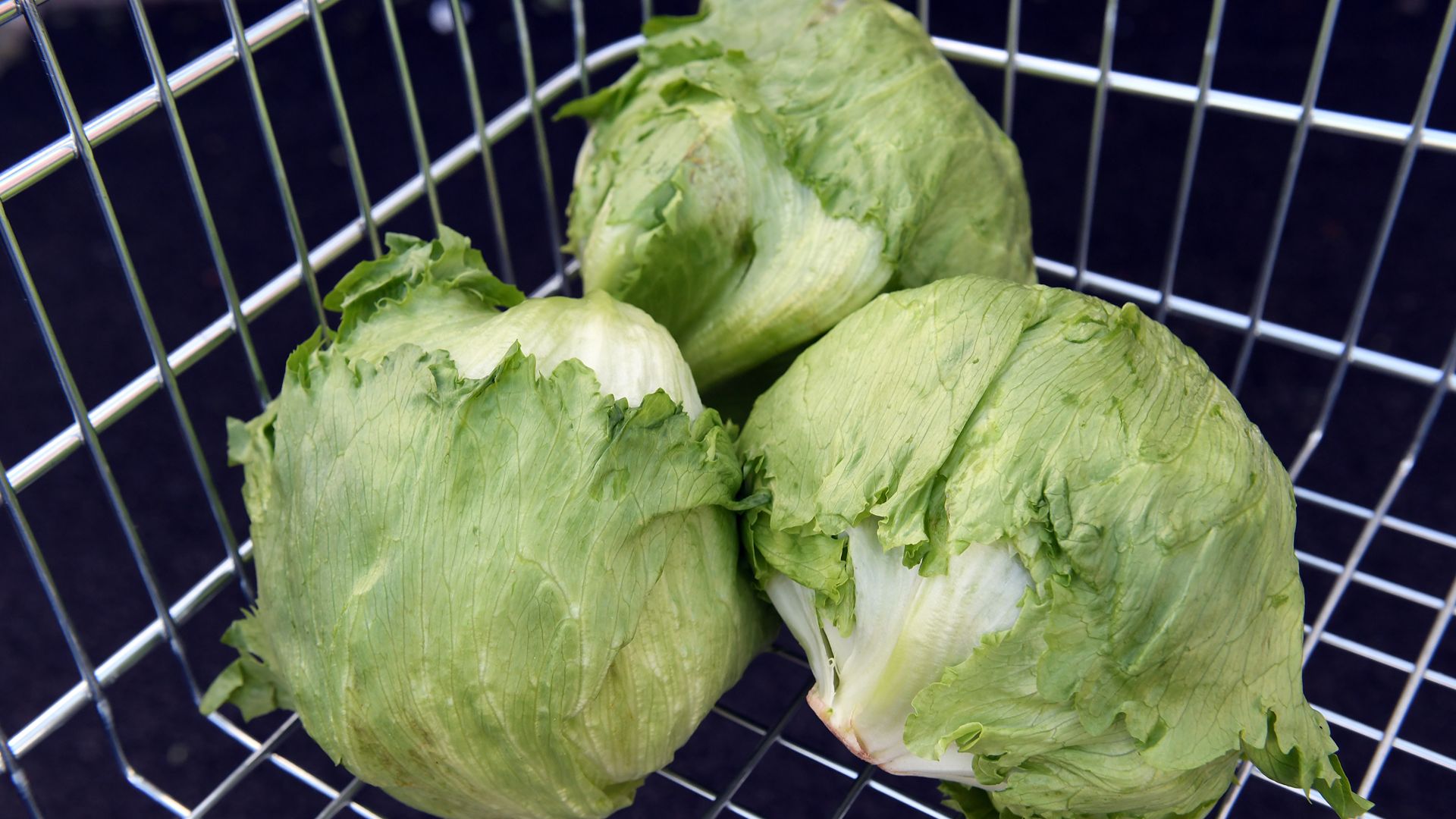
The U.S. Centers for Disease Control and Prevention and the Food and Drug Administration have identified shredded iceberg lettuce served at select Taco Bell restaurants as the common factor behind one of the largest foodborne illness outbreaks of the year. Investigators say the contaminated lettuce originated from Mexico before entering the restaurant chain's supply network, triggering a multistate outbreak of cyclosporiasis that has sickened more than 1,600 people and hospitalized dozens. While no deaths have been reported, the scale of the outbreak has prompted an aggressive federal response involving product tracebacks, import inspections and supply chain reviews as health officials work to prevent additional illnesses.
As the investigation expanded throughout July, federal authorities traced the contaminated lettuce back through multiple distribution channels before isolating a single supply source. According to people familiar with the investigation, California-based produce processor Taylor Farms supplied the shredded iceberg lettuce distributed to the affected Taco Bell locations after receiving product grown in Mexico. Neither the CDC nor the FDA has accused Taco Bell restaurants of causing the contamination themselves, but both agencies have emphasized that the restaurants served the implicated ingredient during the exposure period. The outbreak has been concentrated primarily in Michigan, Ohio, Indiana, Kentucky and West Virginia, although the CDC continues monitoring a broader rise in Cyclospora infections reported in more than 30 states, leaving investigators alert for any additional clusters connected to the same supply chain.
Federal and restaurant officials have responded by removing the implicated lettuce supplier from Taco Bell's nationwide supply chain while expanding precautionary measures in the hardest-hit regions. Some restaurants have also temporarily stopped serving other fresh ingredients, including cilantro, onions, pico de gallo and guacamole, as distributors review inventories and replace potentially affected products. At the same time, the FDA has strengthened border inspections and import controls targeting Mexican produce facilities connected to the contaminated shipments. Health authorities continue urging anyone who recently consumed shredded iceberg lettuce at a Taco Bell restaurant in the affected Midwest states and later developed persistent diarrhea to seek medical attention promptly, noting that laboratory testing is often required to confirm a Cyclospora infection.
The primary transmission
Cyclosporiasis is caused by the parasite Cyclospora cayetanensis and typically develops one to two weeks after contaminated food or water is consumed. Unlike many other foodborne illnesses, symptoms can persist for weeks or even months without appropriate treatment, often disappearing before returning again. Patients commonly experience severe watery diarrhea, abdominal cramps, bloating, nausea, fatigue and weight loss, with some requiring hospitalization because of dehydration or prolonged illness. Health experts note that the infection does not usually spread directly from person to person, making contaminated fresh produce one of the primary transmission routes. Physicians generally treat confirmed cases with prescription antibiotics, while early diagnosis remains essential to reducing complications and shortening the duration of the illness.
The outbreak has also become the center of a growing political debate over the federal government's public health infrastructure. Critics of the Trump administration argue that recent reductions to disease surveillance programs weakened the nation's ability to identify foodborne outbreaks before they reached a much larger scale. Particular attention has focused on changes made under Health Secretary Robert F. Kennedy Jr., including the discontinuation of routine active Cyclospora surveillance through the CDC's FoodNet program. Public health specialists have emphasized that those policy decisions did not contaminate the lettuce itself, but several epidemiologists contend that fewer surveillance resources and staffing reductions likely delayed the detection of an emerging outbreak, allowing additional infections to occur before investigators could identify the contaminated supply chain. The controversy has also spilled into popular culture, with late-night host Ike Barinholtz, guest-hosting Jimmy Kimmel Live!, mockingly referring to the illness as «Trump diarrhea» while criticizing the administration's public health policies.
Public health officials
Federal investigators continue working with state health departments, import officials and industry partners to determine whether any additional products or distributors may have contributed to the outbreak. The CDC and FDA have advised consumers to remain alert for symptoms if they recently ate shredded iceberg lettuce from Taco Bell restaurants in the affected Midwest states and to seek medical evaluation if severe diarrhea develops. Officials stress that laboratory testing is necessary because Cyclospora infections cannot be diagnosed based on symptoms alone. As traceback efforts continue, the agencies say they will release additional findings whenever new evidence becomes available, while Taco Bell has pledged to cooperate fully with the investigation and maintain the removal of the implicated lettuce supplier from its nationwide supply chain until public health officials determine the risk has been eliminated.
Created by humans, assisted by AI.
 Trump dismantles protection for Endangered Species Act
 1 dead in ICE-related incident in Maine days after fatal Texas shooting