Zuckerberg Faces Backlash After His Superyacht Fails to Respond to Coast Guard Rescue Broadcast


/https%3A%2F%2Fcdn-tor.buminteractif.com%2F2026%2F08%2F13160542%2Fzuck-yacht-getty345fgdfgdfg.jpg)
Mark Zuckerberg's 387-foot superyacht has become the center of an unexpected controversy in Alaska after its crew failed to respond to a U.S. Coast Guard radio broadcast seeking assistance for a small boat stranded without fuel. The incident unfolded on 3 August near Farragut Bay in Southeast Alaska, where a 21-foot Hewescraft skiff carrying two women, a child and a dog became unable to continue its journey. Zuckerberg's approximately $300 million Launchpad was reportedly the closest vessel to the stranded boat when the Coast Guard issued its request, but the yacht did not answer. Another vessel ultimately intervened, and the episode quickly generated criticism online over why such a large, well-equipped yacht positioned nearby had not assisted. Representatives for Zuckerberg and Priscilla Chan later stressed that neither Zuckerberg nor members of his family were aboard Launchpad at the time.
The situation began at approximately 9:32 p.m., when those aboard the Hewescraft contacted the Coast Guard after running out of fuel. Despite requiring assistance, the occupants were not considered to be facing an immediate threat to their lives, an important distinction in assessing what happened next. The Coast Guard classified the situation as a Marine Assistance Request rather than a distress emergency, meaning authorities were seeking available help for a stranded vessel rather than coordinating an urgent rescue from imminent danger. Launchpad was nearby, but its crew did not respond to the Coast Guard broadcast. Instead, Wilderness Legacy, a much smaller expedition cruise ship operated by UnCruise Adventures, answered the request. The vessel reversed course and traveled toward the stranded group, passing Zuckerberg's stationary superyacht before reaching the skiff, taking it under tow and bringing it to Farragut Bay, where it was provided with fuel.
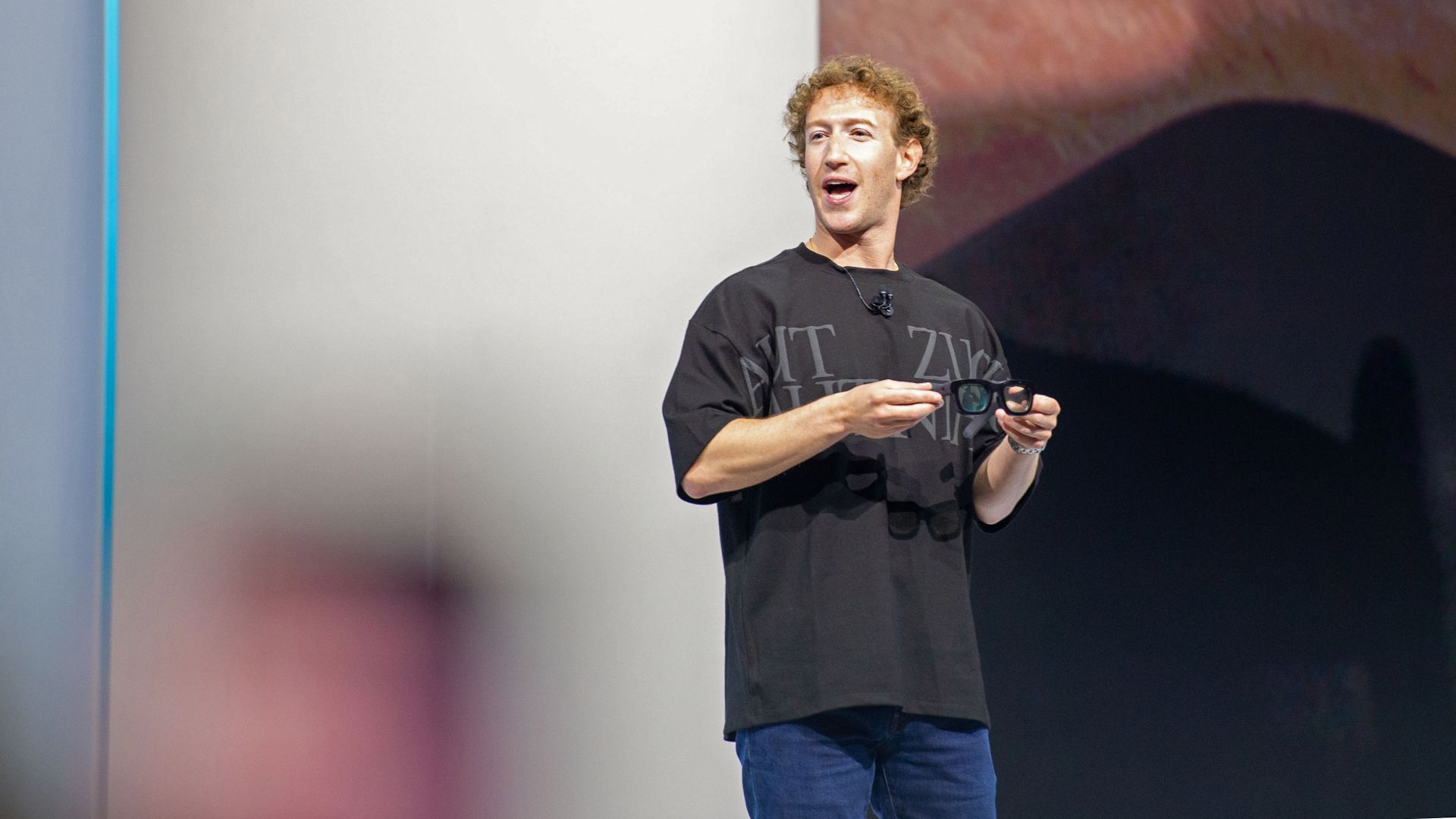
As criticism spread following the incident, a spokesperson for Zuckerberg and Chan disputed the suggestion that the yacht's crew had knowingly disregarded a request to help the stranded passengers. Brian Baker said the crew had been monitoring a different radio channel and therefore did not hear the Coast Guard's initial assistance broadcast when it was transmitted. According to the explanation provided by Zuckerberg's representatives, the crew subsequently became aware of the message and reviewed it, but by that point Wilderness Legacy had already begun responding to the situation. The statement also emphasized that the Hewescraft was not classified as being in distress and that assistance was already underway when Launchpad's crew learned about the request. Zuckerberg and his family were not aboard the yacht during the Alaska voyage, leaving the vessel's crew responsible for its operations when the Coast Guard transmission was made.
387-foot superyacht
The intervention by Wilderness Legacy became a central part of the criticism surrounding the episode because the expedition ship responded despite Launchpad being closer to the stranded boat. The UnCruise Adventures vessel changed course and traveled back toward the Hewescraft, passing Zuckerberg's stationary superyacht before reaching the two women, child and dog aboard the skiff. Its crew then took the smaller vessel under tow, brought it toward Farragut Bay and provided the fuel necessary for the group to continue. No injuries were reported, and the situation was resolved without developing into the type of emergency that would have required an immediate life-saving response. Still, the contrast between the vessels attracted attention: a relatively small expedition cruise ship ultimately provided assistance while a 387-foot superyacht nearby remained uninvolved, fueling questions online about whether Launchpad's crew should have been monitoring the relevant Coast Guard communications.
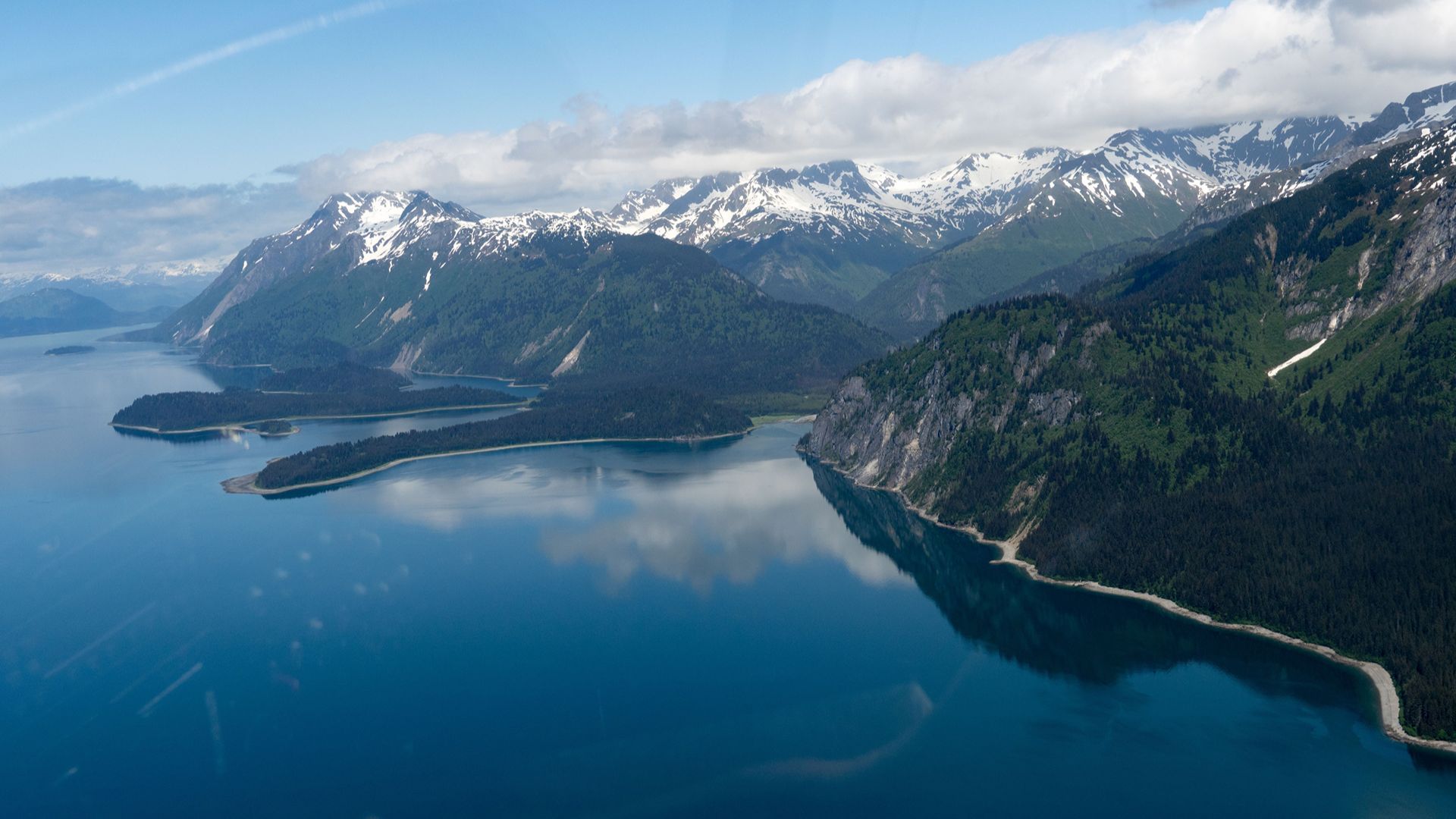
The circumstances are also significant under maritime practice because the Coast Guard did not classify the situation as an active distress emergency. A vessel running out of fuel can require assistance without placing its occupants in immediate danger, and the Hewescraft's situation was handled as a Marine Assistance Request. That distinction complicates some of the harsher criticism directed at Zuckerberg and Launchpad following the incident, particularly suggestions that the yacht had deliberately ignored people facing an imminent threat to their lives. According to the explanation from Zuckerberg and Chan's spokesperson, the crew did not intentionally refuse the Coast Guard's request but missed the original transmission because it was monitoring another radio channel. By the time crew members reviewed the communication, Wilderness Legacy had already taken responsibility for assisting the stranded vessel. The available account therefore points to a missed assistance broadcast rather than a deliberate decision by Zuckerberg or his family to reject a rescue request.
A public controversy
The episode nevertheless generated significant online backlash because of the unusual circumstances surrounding the two vessels involved. Launchpad, a 387-foot superyacht reportedly worth about $300 million, was positioned near a small boat carrying two women, a child and a dog that could no longer continue without assistance, yet another ship ultimately had to respond. The optics quickly became intertwined with Zuckerberg's wealth and ownership of the enormous vessel, even though his representatives emphasized that he and his family were not aboard and had no involvement in the crew's response that evening. The explanation that Launchpad was monitoring a different radio channel also shifted attention toward questions about communications and maritime preparedness aboard large private vessels. Ultimately, Wilderness Legacy completed the assistance without incident, but the episode demonstrated how a relatively routine request for help at sea could become a public controversy once one of the world's most recognizable billionaires and his superyacht became associated with it.
Created by humans, assisted by AI.
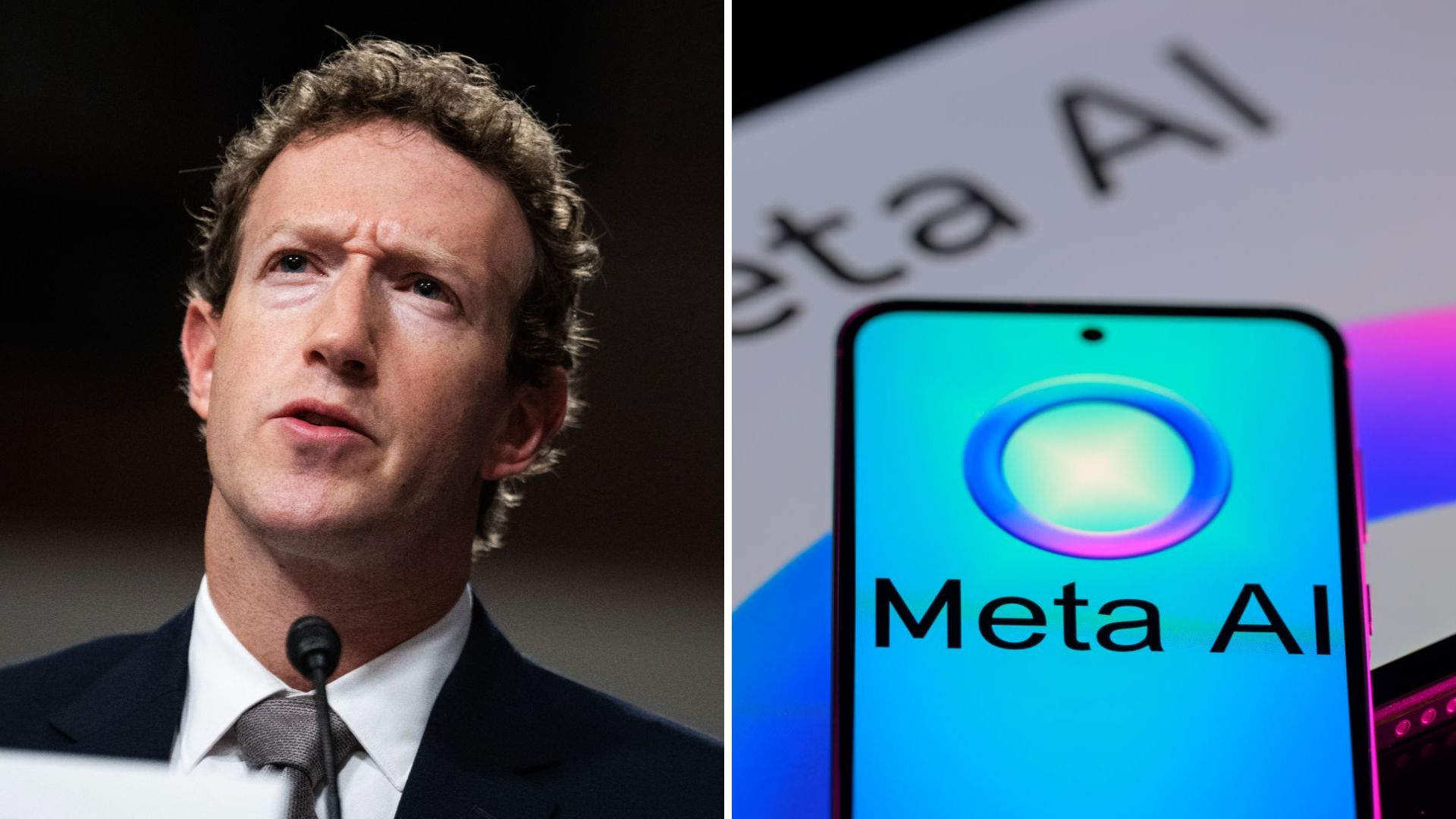 Billionaire Mark Zuckerberg warns against concentrated AI power — while putting Meta at the center of his solution
 Barack Obama is launching a new podcast about the books that shaped his life