

/https%3A%2F%2Fcdn-tor.buminteractif.com%2F2026%2F06%2F12173030%2Ffifa-getty3456345fgd3453453.jpg)
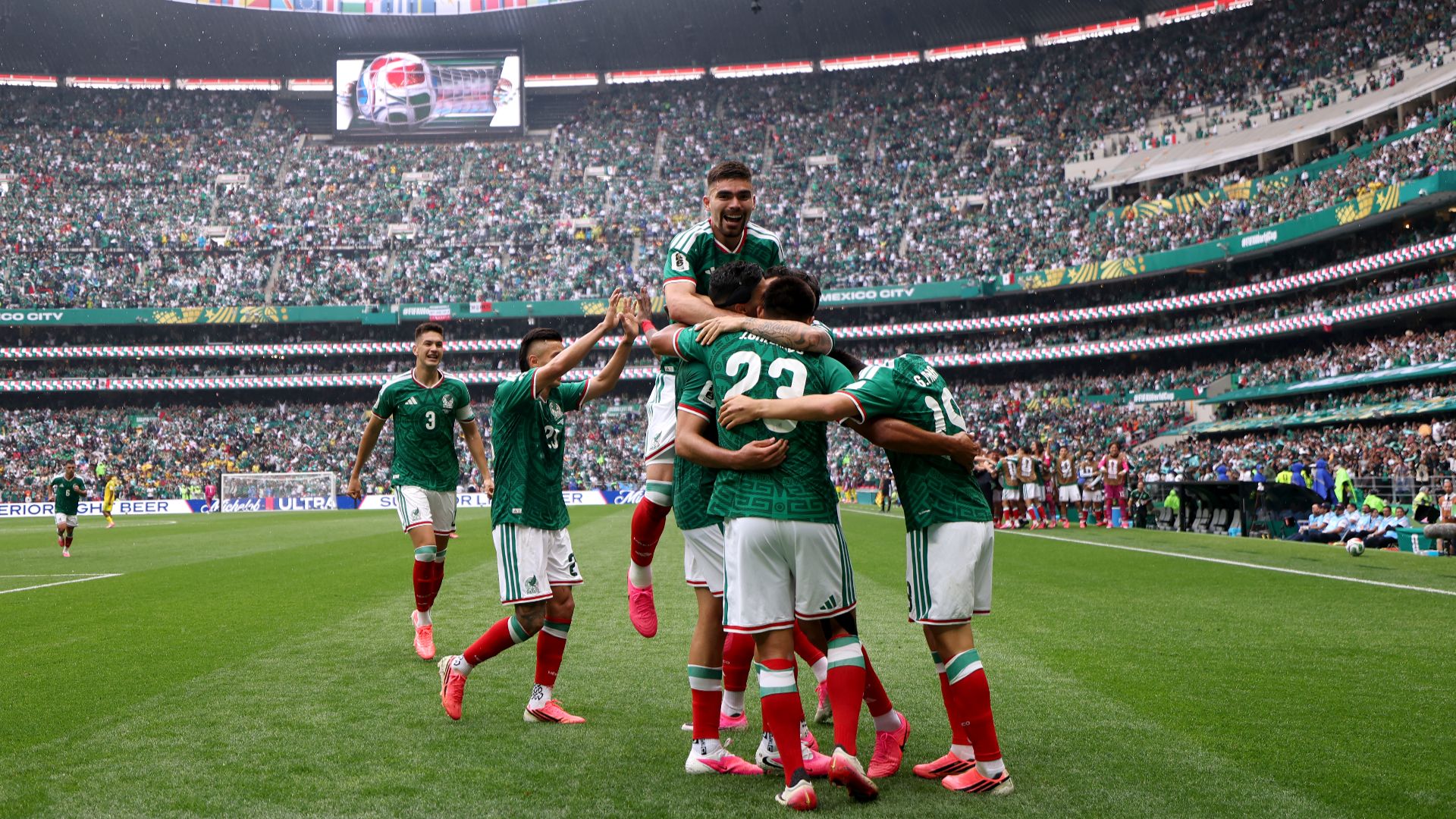
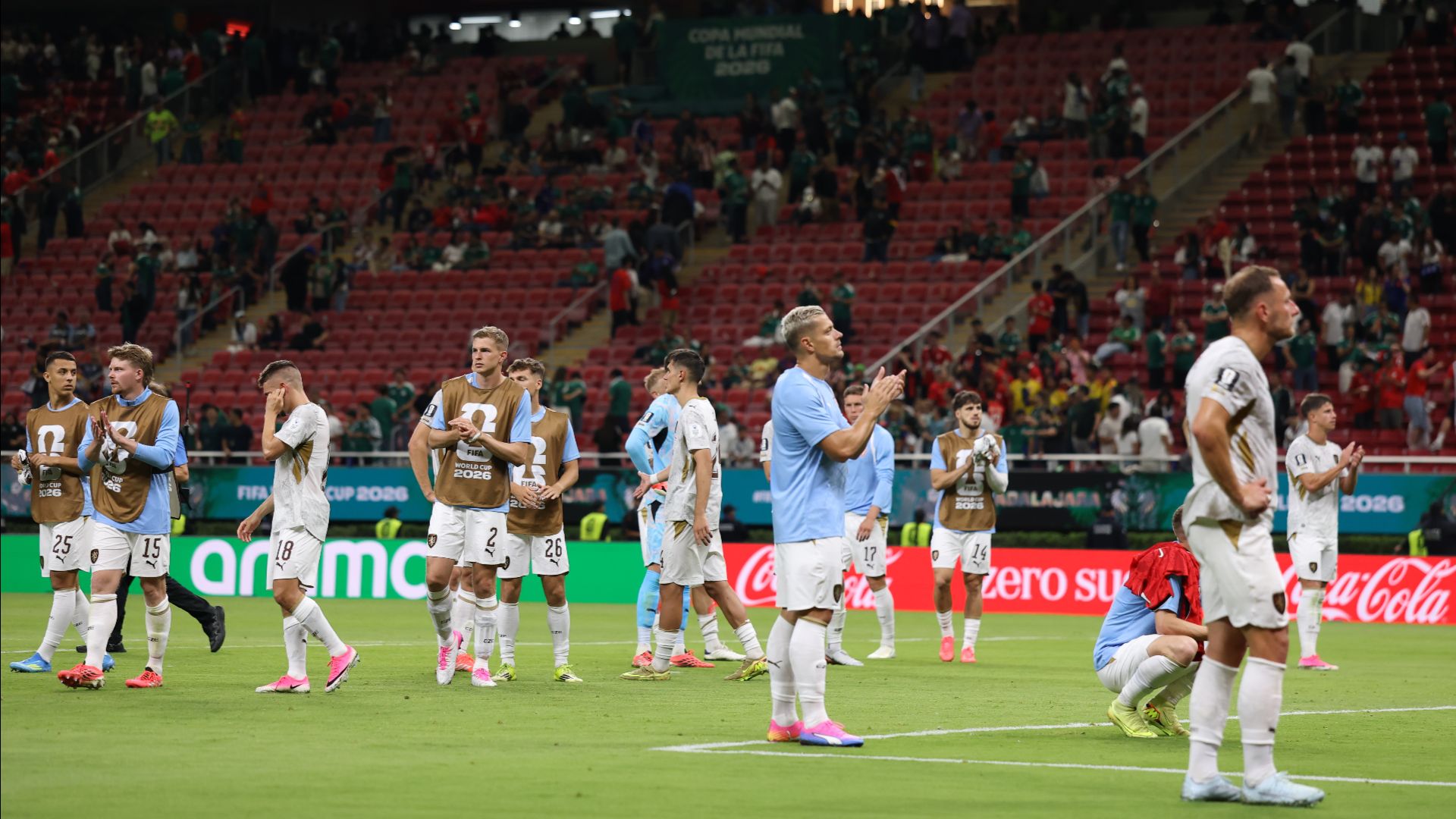
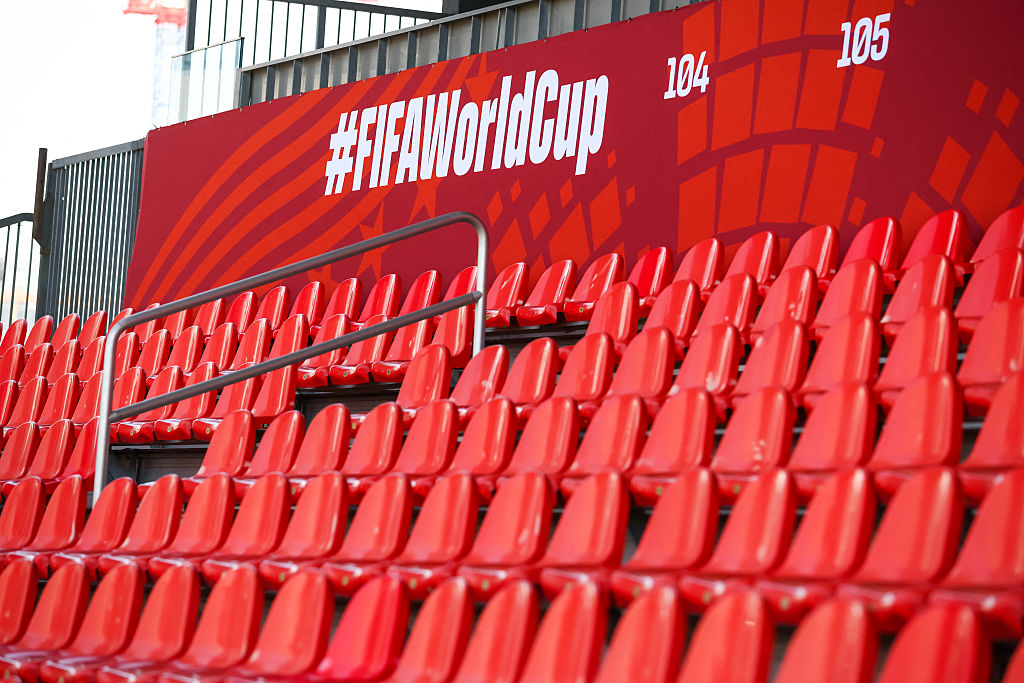
The World Cup's first attendance controversy arrived almost immediately after its packed opening night in Mexico City, where Mexico beat South Africa 2-0 in front of more than 80,000 supporters at the Mexico City Stadium. Only hours later, the tournament's second match in Guadalajara created a sharply different image, with thousands of high-priced seats visibly empty during a group-stage game that did not involve a host nation. FIFA announced an official attendance of 44,985 in a stadium listed at 45,664 capacity, but television images and reporters inside the venue showed large gaps in some of the most visible sections of the stands, particularly in central premium areas and VIP seating.
The contrast quickly became one of the first major talking points of the tournament. Mexico's opening match delivered the atmosphere FIFA wanted from the first 48-team World Cup, with a full stadium, national celebration and strong local demand. The opening ceremony also featured a performance by global music star Shakira before Mexico's victory over South Africa. The second match, however, exposed a more complicated reality for games featuring foreign teams in host cities where local fans may have little emotional connection to either side. The issue was not simply whether tickets had been distributed or counted. It was whether ordinary supporters were willing to pay hundreds or thousands of dollars to attend early group-stage matches between teams outside the tournament's biggest draws.

The empty seats in Guadalajara renewed scrutiny of FIFA's dynamic pricing strategy, which has pushed many premium tickets well beyond what local fans consider affordable. Seats in central and hospitality areas reportedly ranged from about $400 to more than $5,000, depending on location and package type. For a group-stage game involving two countries outside the top tier of global popularity, those prices drew criticism from supporters who argued that FIFA had misread the market. FIFA president Gianni Infantino defended the pricing strategy, arguing that organizers «We had to apply market rates.» The fact that many of the empty seats were located in highly visible premium sections made the controversy even harder to ignore, especially during a match broadcast around the world.
«We have six, seven million tickets on sale and in 15 days we received 150 million ticket requests.»
– FIFA president, Gianni Infantino
FIFA's official attendance figure also raised questions about how tournament crowds are reported. Analysts noted that announced attendance often reflects tickets sold, distributed or allocated to sponsors and commercial partners, rather than the number of people physically inside the stadium. That distinction became central to the Guadalajara controversy, where the official number suggested a nearly full venue while the visual evidence showed significant empty areas. The situation has increased concern that corporate allocations, high-priced hospitality seats and resale-market uncertainty could produce similar scenes during other group-stage matches that do not feature Mexico, Canada or the United States.
The concern now extends beyond Mexico. Canada is scheduled to face Bosnia-Herzegovina in Toronto, while the United States plays Paraguay in Los Angeles, and organizers are watching closely to see whether games involving host nations can avoid the same optics. The larger question surrounds the many neutral matches across the 104-game tournament, where local spectators may be asked to pay premium prices for teams with smaller fan bases in North America. Before the tournament began, the Associated Press reported that only 29 of the 104 matches were officially sold out, fueling fears that FIFA's pricing model could leave empty seats visible throughout the early stages.
«We had to apply market rates.»
– FIFA president, Gianni Infantino
The backlash has added pressure to FIFA as legal and political scrutiny grows around ticket prices. Attorneys general in New York, New Jersey and California have examined complaints over affordability and transparency, while fans have criticized an algorithmic pricing system that raises prices based on demand. FIFA president Gianni Infantino has defended the organization's strategy, arguing that overall interest in the tournament remains unprecedented. «We have six, seven million tickets on sale and in 15 days we received 150 million ticket requests,» he said, describing the level of demand as «absolutely crazy.» However, the scenes in Guadalajara highlighted a growing disconnect between ticket demand on paper and attendance inside stadiums. After the electric atmosphere surrounding Mexico's opening victory, thousands of empty premium seats during the tournament's second match raised fresh concerns about the appeal of expensive group-stage games featuring foreign teams.
Created by humans, assisted by AI.
 FIFA World Cup to cost Canada $1 billion
 rump dismisses boos at Knicks game 3, claims crowd response was “mostly cheers”