Trump Announces «Massive» Belarus Potash Deal as Alternative to Canada — but Belarus Says Its Supply Is Already Allocated


/https%3A%2F%2Fcdn-tor.buminteractif.com%2F2026%2F09%2F22154719%2Ftrump-getty-43534gfdgd.jpg)
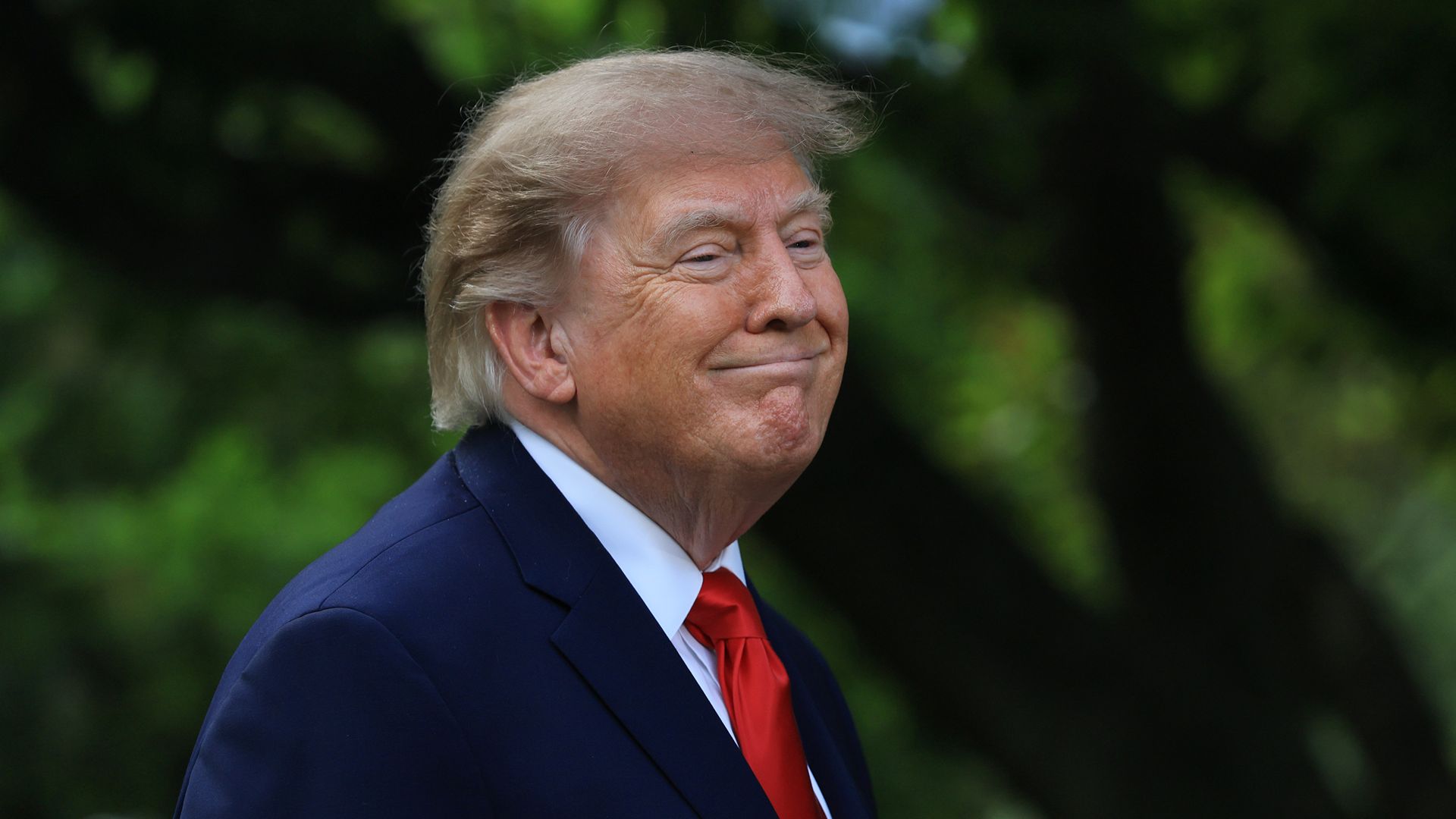
Donald Trump is taking his escalating trade confrontation with Canada into one of the most important agricultural supply chains connecting the two countries, announcing that his administration is pursuing what he called a major agreement to purchase potash from Belarus. The move would shift some American demand for the critical fertilizer ingredient away from Canada and toward an authoritarian country closely aligned with Russia, creating an extraordinary geopolitical contrast as relations between Washington and Ottawa continue to deteriorate. «The United States is working on a massive Deal with respect to the purchase of Potash from Belarus,» Trump wrote on Truth Social. The announcement comes as Trump remains locked in a highly contentious trade war with Canada, imposing tariffs and repeatedly arguing that the United States can reduce its reliance on Canadian products. Potash, however, represents a particularly sensitive target because American agriculture has depended heavily on supplies arriving from neighboring Saskatchewan for decades.
Trump directly framed the proposed Belarus agreement as a cheaper alternative to Canadian potash, making Canada central to his announcement rather than simply presenting the negotiations as another international trade deal. «The pricing would be for substantially less than we are currently paying to Canada, very good news for our Farmers and Ranchers,» the president wrote. Potash contains potassium, one of the essential nutrients used in fertilizer to improve crop yields and plant health, meaning changes in its price can directly affect costs for American farmers. Canada currently occupies an overwhelming position in that market. U.S. Geological Survey data show that approximately 80 percent of American potash imports came from Canada between 2021 and 2024, while Canadian figures show the United States purchased approximately C$4.2 billion worth of potash in 2025. Much of that production comes from Saskatchewan and moves south through an already established rail network, making the two countries' fertilizer industries deeply interconnected.
Buying blood potash from Belarus is supporting Russian aggression.»
-Saskatchewan Premier, Scott Moe
That dependence has made potash different from many of the products caught in Trump's broader trade confrontation with Canada. Despite tariffs hitting numerous Canadian exports, potash has largely remained protected because disrupting fertilizer supplies risks raising costs for American agriculture. Trump's Belarus announcement therefore introduces a new source of uncertainty into a sector that had remained comparatively insulated from the dispute. It also comes as Canadian Prime Minister Mark Carney is pursuing a broader strategy to reduce Canada's dependence on the American market after months of trade tensions with Washington. Carney has increasingly emphasized developing relationships with Europe and other international partners for Canadian energy, minerals and strategic resources. That changing relationship matters for Saskatchewan, which is the world's largest potash-producing region and has historically benefited from immediate access to American agricultural states. What was once largely treated as a dependable cross-border commodity is now becoming another potential source of leverage in the wider economic confrontation between the two governments.
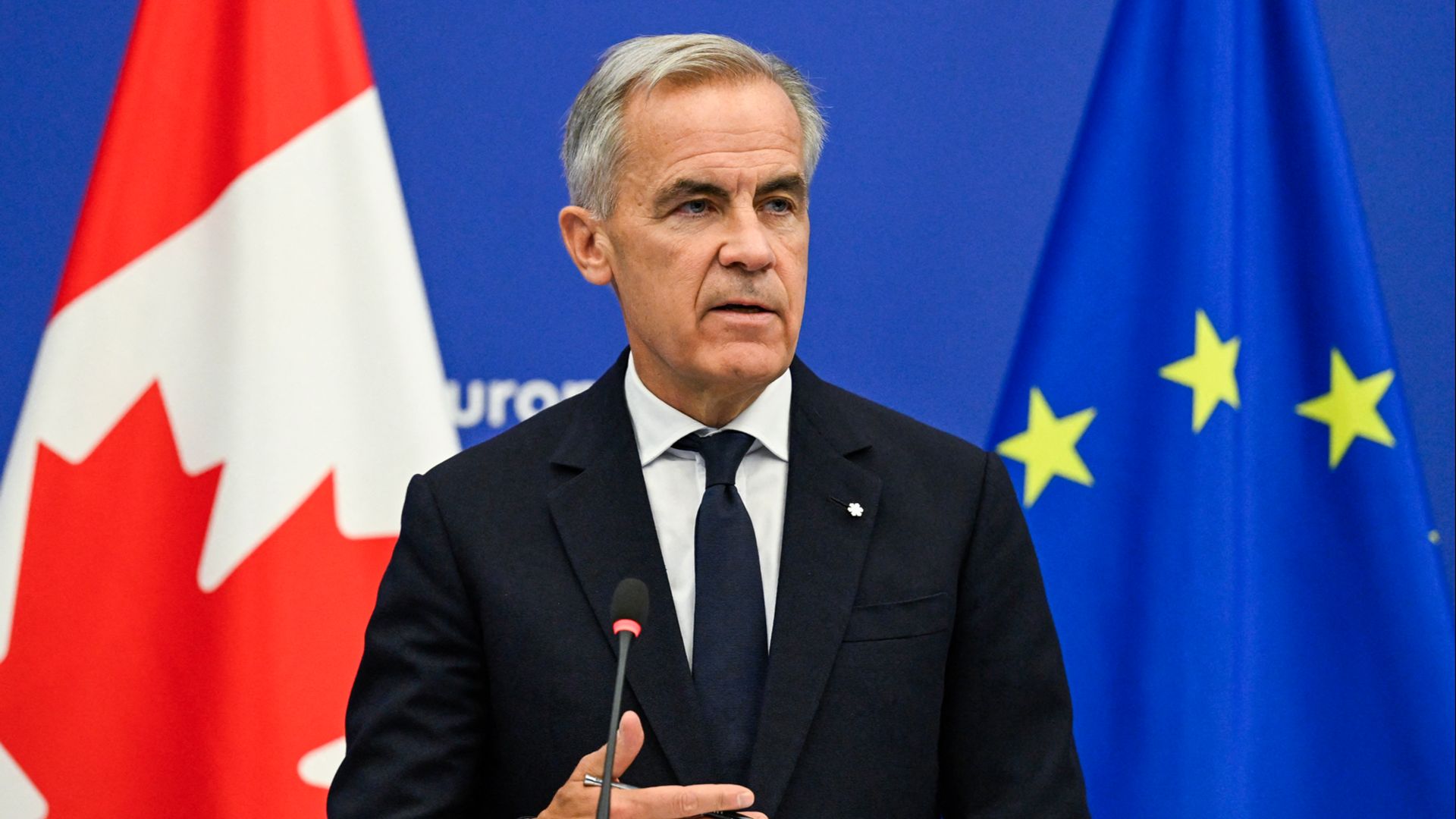
The alternative Trump is proposing, however, carries considerably more geopolitical baggage than Canadian supply. Belarus has been ruled by President Alexander Lukashenko since 1994 and remains one of Russian President Vladimir Putin's closest allies. Russian forces used Belarusian territory during the launch of Moscow's full-scale invasion of Ukraine in 2022, and Canada continues to impose extensive sanctions on Belarus over human-rights abuses and its support for Russia's war. Those restrictions specifically include certain Belarusian potassium chloride products. The European Union has also maintained restrictions affecting Belarusian potash, while Washington moved in the opposite direction earlier this year by lifting U.S. sanctions on major Belarusian potash producers as part of diplomatic negotiations that included the release of political prisoners. Trump's proposed purchase would therefore deepen an emerging American commercial relationship with Minsk at precisely the moment Washington's economic relationship with Canada, one of its closest traditional allies and trading partners, is becoming increasingly confrontational.
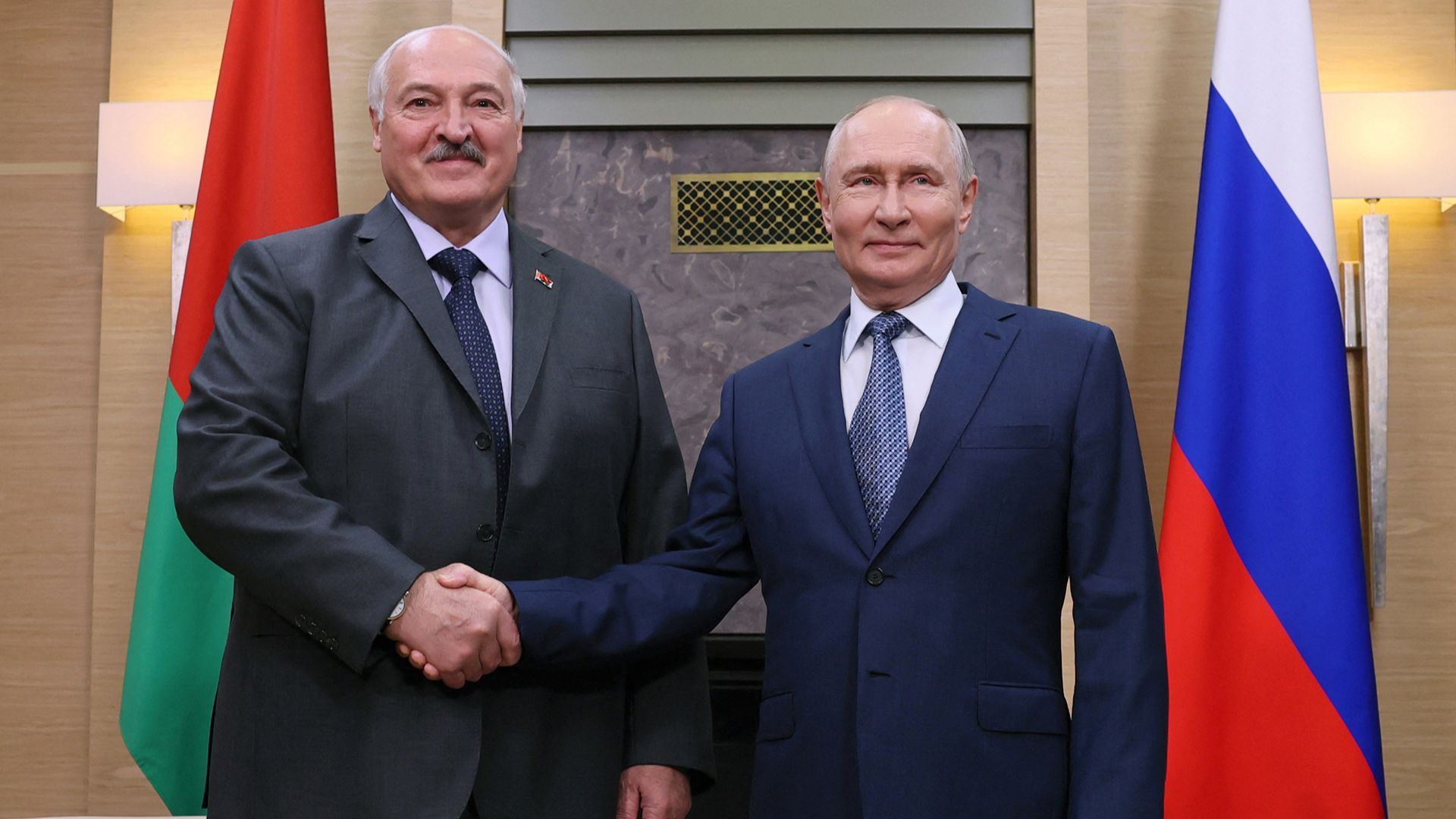
That contrast immediately produced criticism in Canada, particularly from Saskatchewan Premier Scott Moe, whose province would be directly exposed to any significant reduction in American purchases. «Buying blood potash from Belarus is supporting Russian aggression,» Moe said, arguing that the proposal was both ethically troubling and economically questionable. «It's wrong and it doesn't make sense.» Moe also challenged Trump's claim that Belarusian fertilizer could reach American farmers more cheaply than Canadian product. Belarus is landlocked and has lost access to important traditional export routes through neighboring Lithuania, meaning increased shipments bound for the United States would likely have to move through Russia before reaching maritime export facilities. Canadian potash, by comparison, can travel directly by rail from Saskatchewan into major American farming regions. Industry experts have similarly questioned whether Belarus could realistically displace Canadian supply on a significant scale, given transportation costs, existing contracts and the enormous quantity of fertilizer American agriculture currently obtains from Canada.
«Even if we wanted to supply [potash] to other, Western markets, we simply do not have those volumes – everything has already been allocated under contracts.»
-Belarus President, Alexander Lukashenko
There is now an even more fundamental obstacle to Trump's proposed «massive Deal»: Belarus itself says it does not have enough uncommitted potash to satisfy a major new American order. Lukashenko acknowledged that existing production has already been allocated, saying, «Even if we wanted to supply [potash] to other, Western markets, we simply do not have those volumes – everything has already been allocated under contracts.» His statement leaves a striking gap between Trump's announcement of potentially cheaper Belarusian fertilizer and what Minsk says it can actually provide in the immediate future. At the same time, Canada is attempting to diversify its own trade relationships as Carney looks increasingly toward Europe and other markets for Canadian resources. The result illustrates how far the Canada-U.S. economic relationship has shifted during the trade war: Washington is exploring Russia-aligned Belarus as an alternative supplier for a resource it overwhelmingly obtains from Canada, while Ottawa is searching for customers beyond the United States. For now, however, geography, infrastructure and Belarus's own limited available supply leave Canadian potash deeply embedded in American agriculture.
Created by humans, assisted by AI.
 Trump wants to turn his massive triumphal arch into a “top grade military complex” with drones and snipers
 Trump moves forward with one of largest US bomb deliveries to Israel in $2.8 billion arms deal