

/https%3A%2F%2Fcdn-tor.buminteractif.com%2F2026%2F07%2F16152407%2Ftrump-getty-453jg9dfghd.jpg)
Donald Trump's recently disclosed $2.2 billion income, combined with the scale of his stock and cryptocurrency holdings, has intensified scrutiny from ethics experts, government watchdogs and political critics who argue that the financial activities of a sitting president deserve exceptional public examination. That debate gained new momentum following a CNN investigative report, which concluded that Trump purchased shares in more than 20 companies before publicly praising many of those same businesses on Truth Social during 2025. According to CNN's investigation, several of those promotional posts appeared within days of the stock purchases, and in some cases coincided with government announcements that benefited the companies involved. The report has fueled renewed questions about conflicts of interest, even as the White House and Trump's representatives maintain that his investment activities comply with applicable legal and ethical standards.
Responding to the criticism, Trump recently rejected suggestions that his investment portfolio was influenced by his role as president or by privileged government information. He argued that the assets are managed independently and insisted he has no direct involvement in individual trading decisions. Explaining what he described as a separation between himself and the portfolio, Trump said: «My son Eric handles it. I don't talk to him about things such as this.» He also defended the legality of the arrangement while addressing questions surrounding his growing fortune, stating: «There's nothing illegal, there's nothing wrong with it.» Trump further argued that although he could choose to monitor every investment personally, he deliberately avoids doing so. He acknowledged that nearly any financial activity involving his family is likely to attract accusations of benefiting from inside information because presidential decisions affect virtually every sector of the American economy.
«My son Eric handles it. I don't talk to him about things such as this.»
-U.S. President, Donald Trump
The allegations examined in CNN's reporting stem from an extensive review that relied on artificial intelligence tools to compare Trump's annual financial disclosure filings with hundreds of Truth Social posts published throughout the year. According to CNN, that analysis identified at least 44 instances in which Trump had acquired stock in a company before later posting favorable comments about that company, its executives or its products. CNN reported that many of the purchases involved well-known technology and manufacturing firms, with investments often reaching hundreds of thousands or even millions of dollars. The investigation also concluded that several of the transactions and subsequent promotional messages occurred within relatively short periods of one another, creating a pattern that drew the attention of ethics specialists and prompted renewed debate over whether existing conflict-of-interest safeguards remain adequate for presidents who retain substantial private investment portfolios.
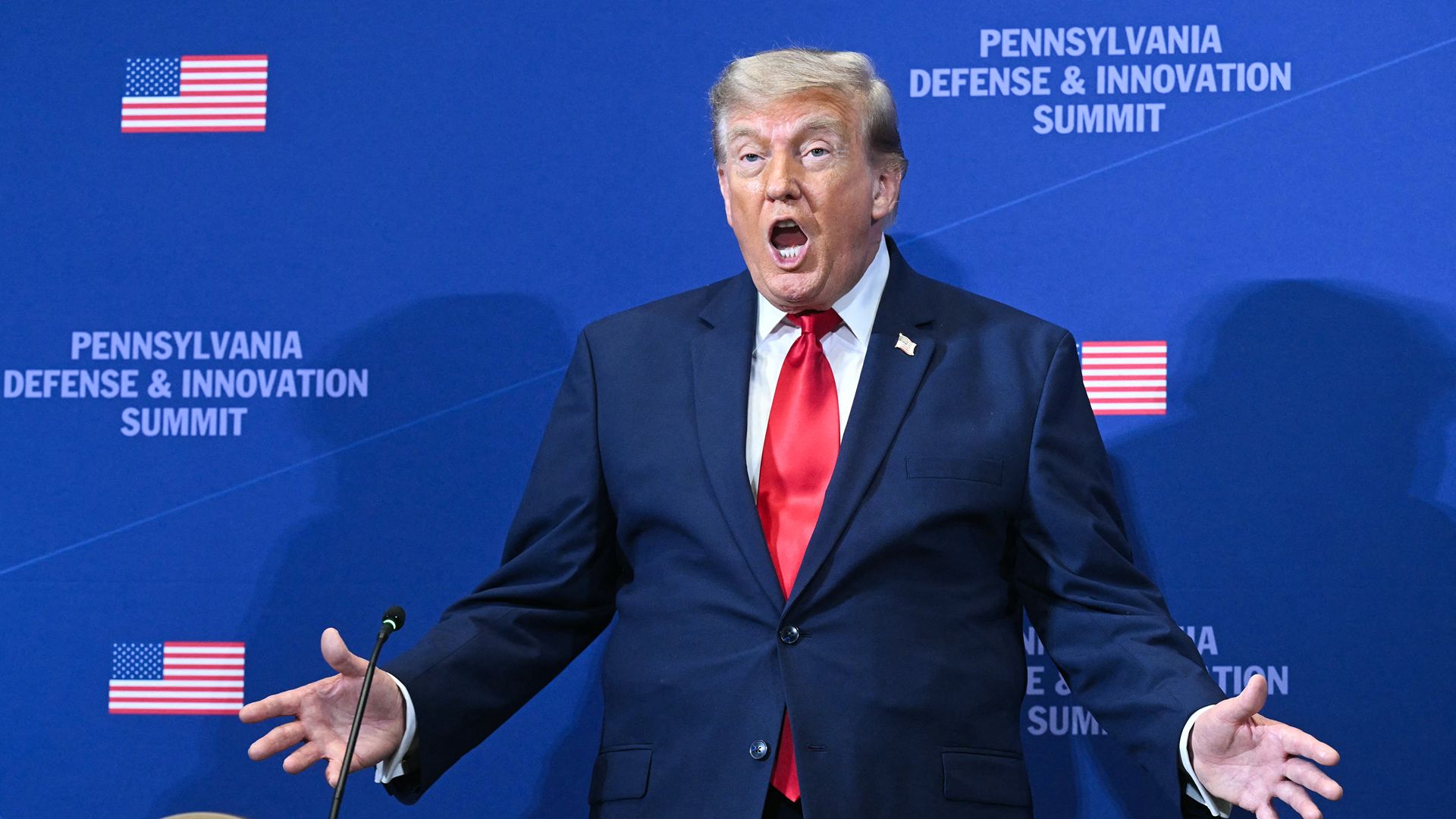
CNN's investigation also pointed to several examples in which the timing between stock purchases, public endorsements and subsequent government decisions appeared unusually close. According to the report, Trump purchased shares in major technology companies before the Commerce Department announced changes easing certain chip export restrictions affecting firms such as Nvidia and AMD. CNN also highlighted instances in which Trump publicly praised companies including Apple and Dell shortly after acquiring positions in those businesses. The network did not conclude that the timing proved wrongdoing or establish that the policy decisions were made to benefit Trump's investments. Instead, its reporting argued that the repeated sequence of investments, favorable public remarks and government actions raised significant ethics questions deserving further public scrutiny. Critics contend that even the appearance of a potential conflict can undermine public confidence when the president holds substantial financial interests across industries directly affected by federal policy.
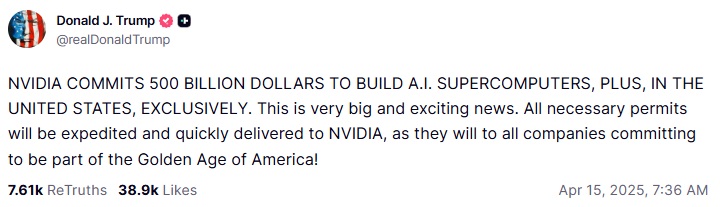
Representatives for Trump strongly disputed any suggestion that the president personally directed or coordinated the transactions identified in CNN's reporting. They stated that all purchases and sales were executed by independent third-party financial managers who maintain full discretion over the portfolio without receiving instructions from Trump or his family regarding individual trades. According to those representatives, neither Trump nor his relatives exercise direct control over the specific companies being bought or sold, and the investment managers operate independently under previously established guidelines. The White House has similarly emphasized Trump's repeated statements that he does not discuss individual investments with those overseeing the portfolio, arguing that this separation is specifically intended to prevent conflicts between presidential responsibilities and personal financial holdings. Administration officials maintain that the arrangement complies with all applicable legal requirements and reject claims that presidential decisions were influenced by investment considerations.
«There's nothing illegal, there's nothing wrong with it.»
-U.S. President, Donald Trump
The CNN investigation has nevertheless intensified a broader debate already underway in Washington regarding the financial interests of elected officials and whether existing ethics laws adequately address modern investment practices. While federal conflict-of-interest statutes generally exempt the president from certain criminal financial restrictions that apply to executive branch employees, ethics advocates have long argued that presidents should voluntarily avoid situations that could create even the appearance of personal financial benefit from official actions. Trump's recent defense that «There's nothing illegal, there's nothing wrong with it.» has become a central point in that debate, with supporters arguing that legality should remain the primary standard while critics contend that public confidence requires a higher ethical threshold. As scrutiny over Trump's expanding business interests, investment portfolio and cryptocurrency holdings continues, CNN's findings are likely to remain part of the ongoing national discussion surrounding transparency, presidential ethics and the relationship between public office and private wealth.
Created by humans, assisted by AI.
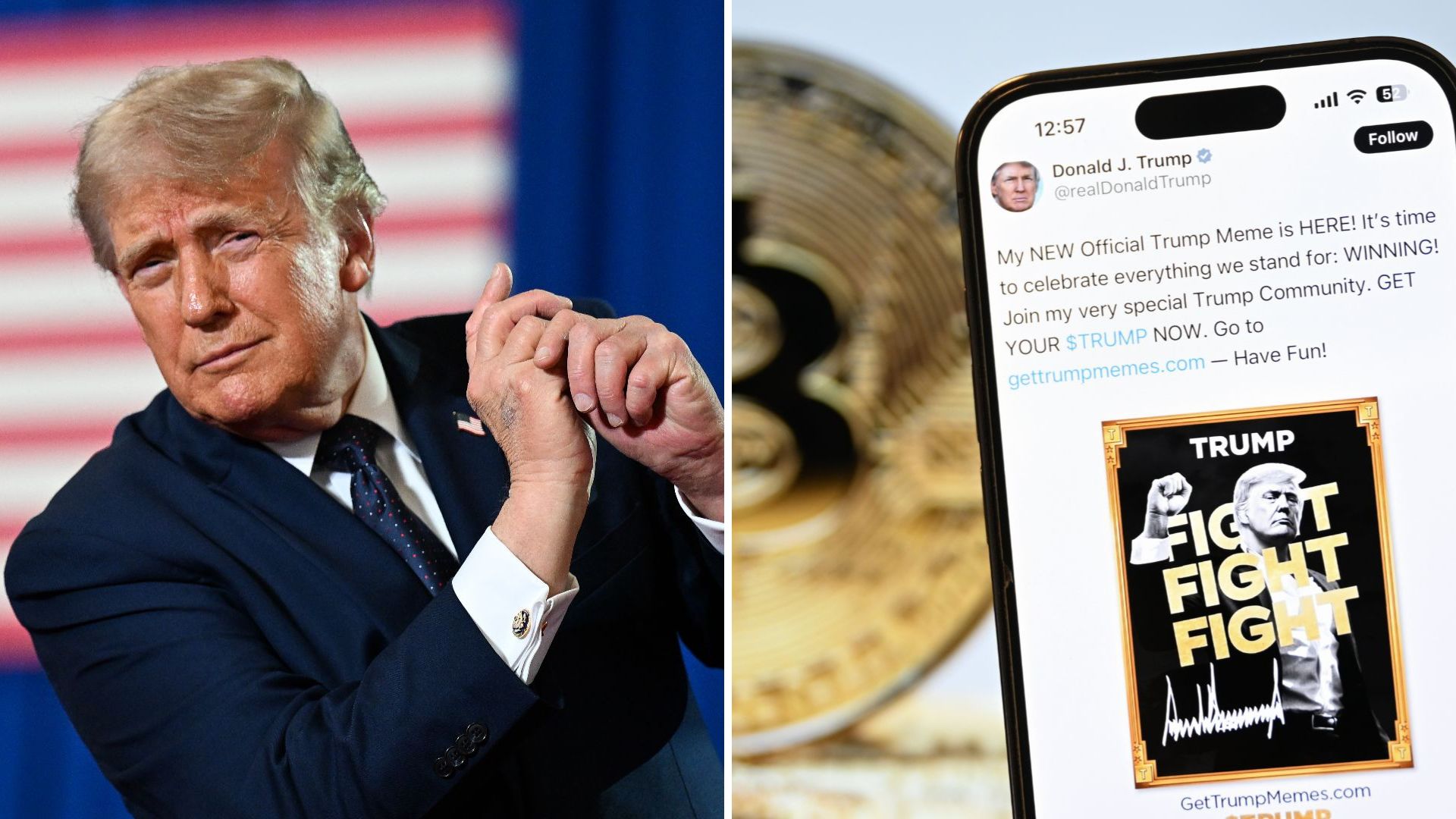 Trump adds $2.2 billion to his wealth since White House comeback
 Trump's gold statue obsession returns in new Truth Social post