

/https%3A%2F%2Fcdn-tor.buminteractif.com%2F2026%2F07%2F13194306%2FGettyImages-2267050833-1.jpg)
Donald Trump is turning back the clock on his talking points, and Greenland is back in his sights. Clearly, the fight over Greenland is far from over as the US president has made a new slew of statements regarding the Danish territory. After nearly six months of silence from Trump on Greenland, Europeans are once again worrying about sovereignty as Donald Trump has revived his ambition to annex Greenland. Speaking in Ankara, Turkey, to attend the annual summit of NATO leaders, on July 12, Trump stated once again that he believes Greenland (and the world) would be better off if the country were under the control of the United States.
Trump revived the issue shortly after arriving in Ankara, where NATO leaders had hoped to focus discussions on defence spending, Ukraine, and security in the Middle East. Instead, the president returned to one of his most controversial foreign policy ambitions, arguing Denmark had failed to properly develop or defend Greenland despite its strategic importance. The following day, Trump doubled down, saying Greenland was important to the United States but “not important for Denmark” while criticizing NATO's handling of the issue. The remarks immediately dominated headlines across Europe, and have now overshadowed much of the alliance's planned agenda.
“[Greenland] should be controlled by the United States, not by Denmark.”
-Donald Trump
Donald Trump and his love affair with Greenland
The comments reopened a dispute that nearly triggered one of the biggest political crises in NATO's history earlier in 2026. In January, Trump threatened tariffs against several European countries in an effort to pressure Denmark into giving up control of Greenland. The threats sparked emergency meetings among European Union leaders and fears of a transatlantic trade conflict. The standoff ended only after NATO Secretary-General Mark Rutte negotiated what officials have described as a ‘framework agreement' to strengthen Arctic security while allowing both sides to step back from further escalation. Since then, European leaders have believed the issue has largely been resolved.
According to sources in the media, though, negotiations never truly stopped. Denmark, Greenland, and the White House have continued holding quiet discussions over future security arrangements on the Arctic island, which remains governed by a 1951 defence agreement with the United States. According to previous reporting, Washington is seeking permanent military guarantees and greater influence over future investment decisions on the island. Danish officials reportedly believe those proposals would undermine Greenland's autonomy. Those talks have yet to produce an agreement acceptable to all three governments.
Why Greenland?
Greenland has become increasingly important because of its location and natural resources. As Arctic sea ice continues to retreat due to climate change, new shipping routes are becoming accessible. Additionally, previously unreachable deposits of rare earth minerals and other critical resources have attracted growing international attention. The United States already operates Pituffik Space Base in northwestern Greenland under an existing defence agreement, giving Washington a significant military presence in the region. European analysts argue that the arrangement already provides the security cooperation Trump says the United States requires, making calls for outright control of the island difficult to justify.
European response
European leaders have responded cautiously, attempting to defend Denmark without escalating tensions with Washington. Danish Prime Minister Mette Frederiksen reiterated that Greenland remains part of the Kingdom of Denmark and emphasized that Greenlanders have repeatedly rejected becoming part of the United States. The European Commission echoed that position, saying territorial integrity, sovereignty and internationally recognized borders remain fundamental principles of international law. Brussels also reaffirmed its support for Denmark and Greenland while continuing work on an updated Arctic strategy aimed at strengthening Europe's presence in the region.
The US position is, unfortunately, very clear on this topic. But our position is as clear as it has been all through: Greenland is not for sale. I hope all allies will respect the Greenlandic people's right to self-determination,
-Danish Prime Minister Mette Frederiksen
Impact on NATO summit
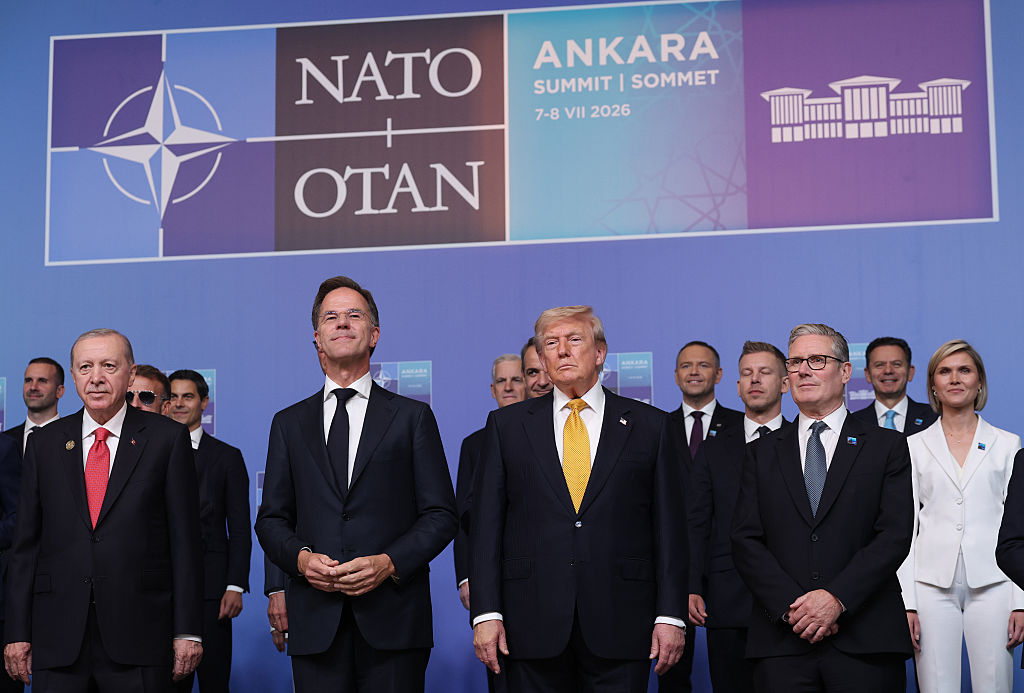
For NATO, the timing is particularly sensitive. The alliance entered this year's summit hoping to showcase record defence spending commitments and greater unity in response to growing security threats from Russia and China. Instead, Trump's renewed focus on Greenland once again placed internal divisions at the centre of international attention. While no immediate policy changes have followed his comments, European leaders now find themselves revisiting an issue many hoped had been settled. With diplomatic negotiations continuing and Trump's position unchanged, officials increasingly believe the dispute over Greenland is likely to remain one of the most persistent sources of tension between the United States and its closest allies.
