Trump Moves Forward With One of Largest U.S. Bomb Deliveries to Israel in $2.8 Billion Arms Deal


/https%3A%2F%2Fcdn-tor.buminteractif.com%2F2026%2F09%2F16172617%2Ftrump-neta-getty345345dfgdfs324234.jpg)
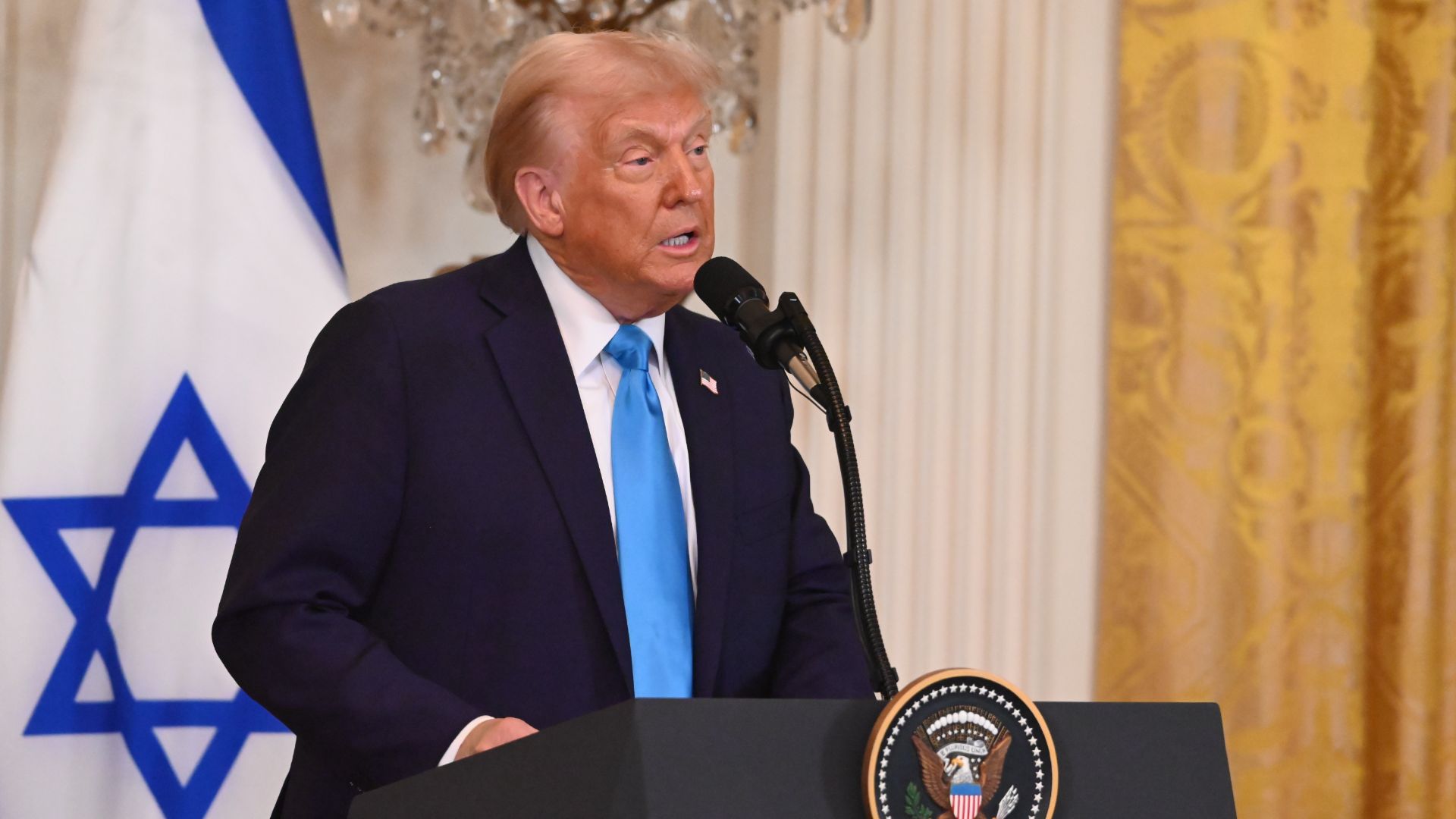
The Trump administration moved forward on September 15 with plans for a massive $2.8 billion arms sale to Israel that would include 40,000 highly destructive 2,000-pound bombs, making it the largest single U.S. sale of the powerful munition to Israel in recent years. The proposed package includes 20,000 MK-84 bombs and 20,000 BLU-117s, as well as 20,000 I-2000 Penetrator warheads designed for hardened targets, according to officials familiar with the proposal. Much of the transaction would be financed through U.S. Foreign Military Financing, meaning American government funds provided to Israel would ultimately be used to purchase American-made weapons. The Washington Post first reported details of the package after a U.S. official disclosed the still-pending proposal on condition of anonymity. Rather than unveiling the enormous transaction through a major presidential announcement, the administration has advanced it through the quieter preliminary stages of the federal arms-sale process.
Congressional committees have been informally notified about the proposed sale, giving lawmakers an opportunity to examine the package before the administration moves toward formal notification. The deal therefore is not yet final, and delivery of such a large weapons order could take years. The Trump administration is pressing leaders of the Senate Foreign Relations Committee and House Foreign Affairs Committee to support the transaction, according to The Washington Post. Congress has mechanisms for challenging foreign arms sales, although stopping one can face significant procedural and political obstacles. Trump has previously demonstrated his willingness to accelerate military support for Israel: his administration bypassed the normal congressional review process for a nearly $3 billion Israeli weapons package in 2025 and approved another $6.67 billion in arms sales in January 2026. Asked about the latest proposal, a senior administration official said: «All foreign arms sales are moving through the appropriate process. We do not comment on pending sales.»
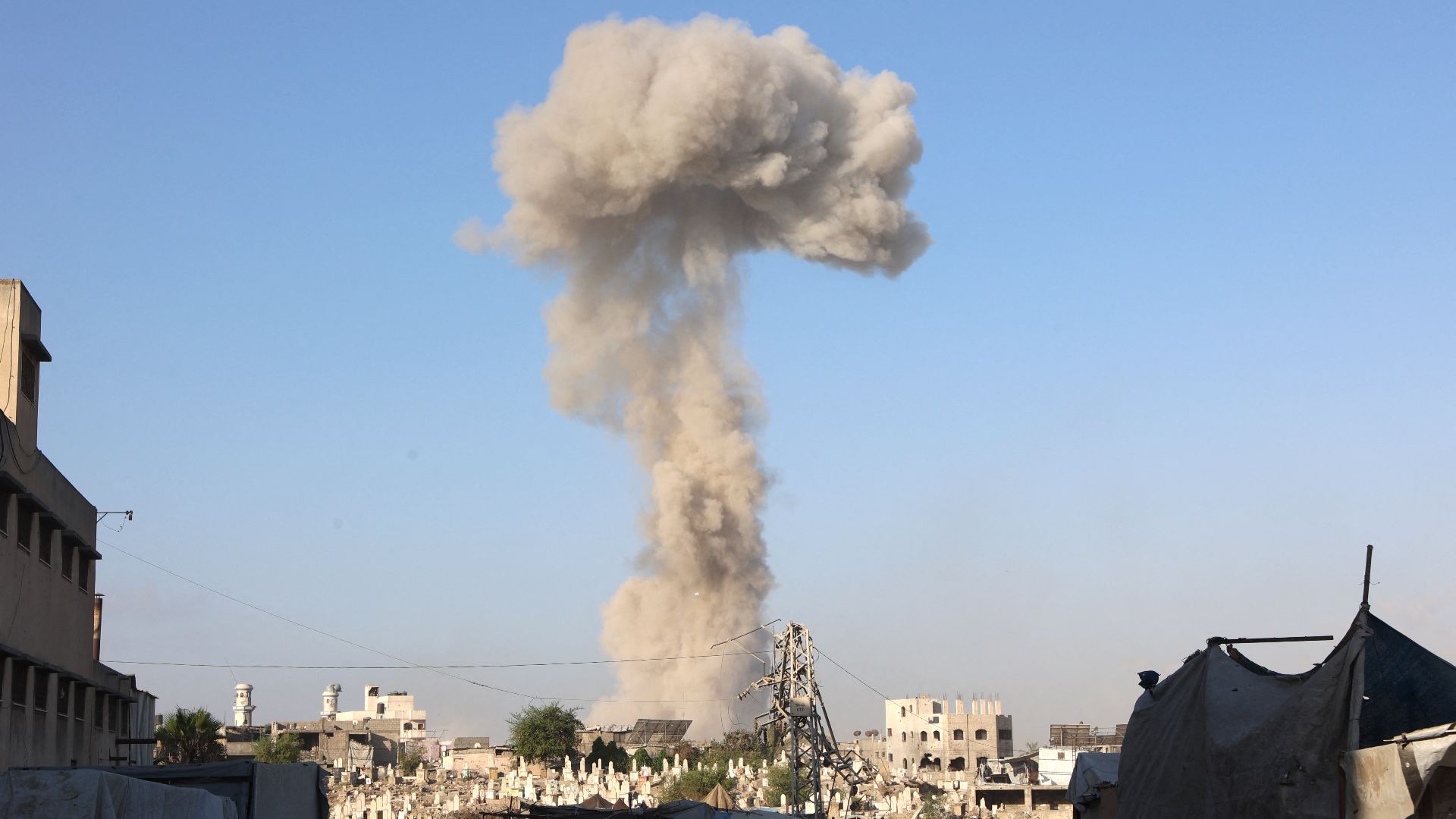
The extraordinary size of the proposed shipment has attracted additional attention because of the destructive power and controversial history of 2,000-pound bombs. MK-84s can penetrate hardened structures and produce extensive blast and fragmentation effects, making their use in densely populated areas particularly contentious. The Biden administration suspended one shipment of the bombs in 2024 because of concerns about civilian casualties in Gaza, but Trump reversed that hold shortly after returning to office in January 2025. The latest package would surpass recent sales of the munition under both administrations. Israel has used U.S.-made 2,000-pound bombs during its military operations in Gaza and Lebanon, while the Israeli government says its operations target Hamas, Hezbollah and other armed groups. The proposed sale comes despite continuing international criticism of Israel over civilian casualties and destruction in Gaza, where a fragile ceasefire has reduced but not eliminated violence.
«All foreign arms sales are moving through the appropriate process. We do not comment on pending sales.»
-A senior administration official
The timing also puts the arms package directly into the political environment surrounding the November midterm elections, when control of both chambers of Congress is being contested. Trump himself is not on the ballot, but the congressional results will determine the political balance he faces during the final two years of his term. That matters directly to foreign policy and transactions such as the proposed Israel sale because congressional committees review arms packages and lawmakers can attempt to block them. Signs of resistance are already visible. More than 100 House Democrats voted in July to end all U.S. aid to Israel, while Democratic Senator Chris Van Hollen said after the latest package emerged that he would work to stop it. Republicans have traditionally been more unified behind military support for Israel, although some conservative voices have increasingly questioned Washington's commitment. The political stakes therefore extend beyond this individual shipment: the composition of the next Congress could materially change the legislative and oversight environment surrounding Trump's foreign-policy agenda.
Netanyahu is simultaneously approaching his own major electoral test, with Israelis scheduled to vote on October 27 and recent polling showing an intensely fragmented political landscape. Surveys released after parties finalized their candidate lists showed neither Netanyahu's supporting bloc nor his opponents securing the 61 seats required for a Knesset majority. A Channel 12 poll gave Netanyahu-aligned parties 52 seats compared with 57 for the opposing bloc, while Channel 13 and Kan surveys showed even narrower divisions without either side reaching a majority. Channel 12 also placed Gadi Eisenkot's centrist party at 25 seats and Netanyahu's Likud at 21. Those numbers do not establish what the election result will be, but they demonstrate the difficult political environment Netanyahu faces as the $2.8 billion American weapons package moves forward. The deal consequently arrives at a politically consequential moment for both governments, with Trump fighting to preserve congressional support for his agenda and Netanyahu campaigning amid a closely divided Israeli electorate.
Middle East negotiator
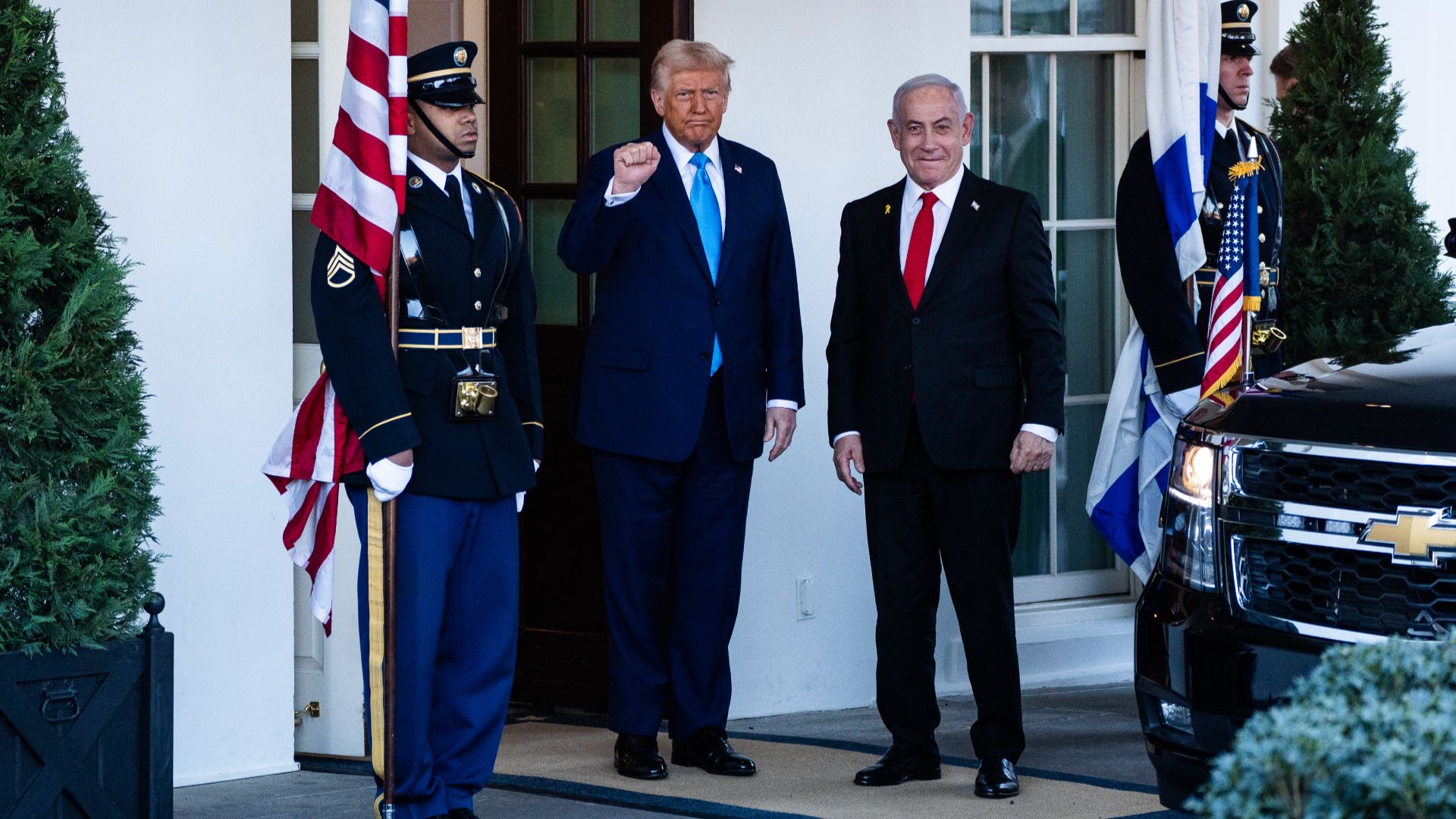
Those electoral pressures are unfolding alongside real strains between Trump and Netanyahu despite the enormous military support Washington continues to provide Israel. Their relationship has been particularly unsettled since the United States and Israel launched the war against Iran in February, with Trump expressing frustration about Netanyahu's handling of aspects of the conflict. Jared Kushner, Trump's son-in-law and a key Middle East negotiator, met Netanyahu last month and pressed Israel to reduce attacks as Washington sought to preserve the Gaza ceasefire. The administration has also disagreed with Israel over military operations elsewhere in the region and settler violence against Palestinians in the West Bank. Yet the proposed transfer of 40,000 heavy bombs demonstrates that those disagreements have not severed the central military relationship between the two countries. With both governments entering politically sensitive election periods and Congress preparing to scrutinize the transaction, the $2.8 billion package has become more than another weapons sale: it places U.S.-Israel military cooperation directly alongside consequential domestic political battles in Washington and Jerusalem.
Created by humans, assisted by AI.
 US military confirms weapons in space as it prepares for threats «wherever they exist»
 Trump's awkward “My wife is here” remark raises eyebrows during Ireland trip with aide Natalie Harp