Trump Says He’ll Accept Midterm Results Only if They’re «Honest» Amid Court Defeats, Fraud Claims and Federal Monitoring


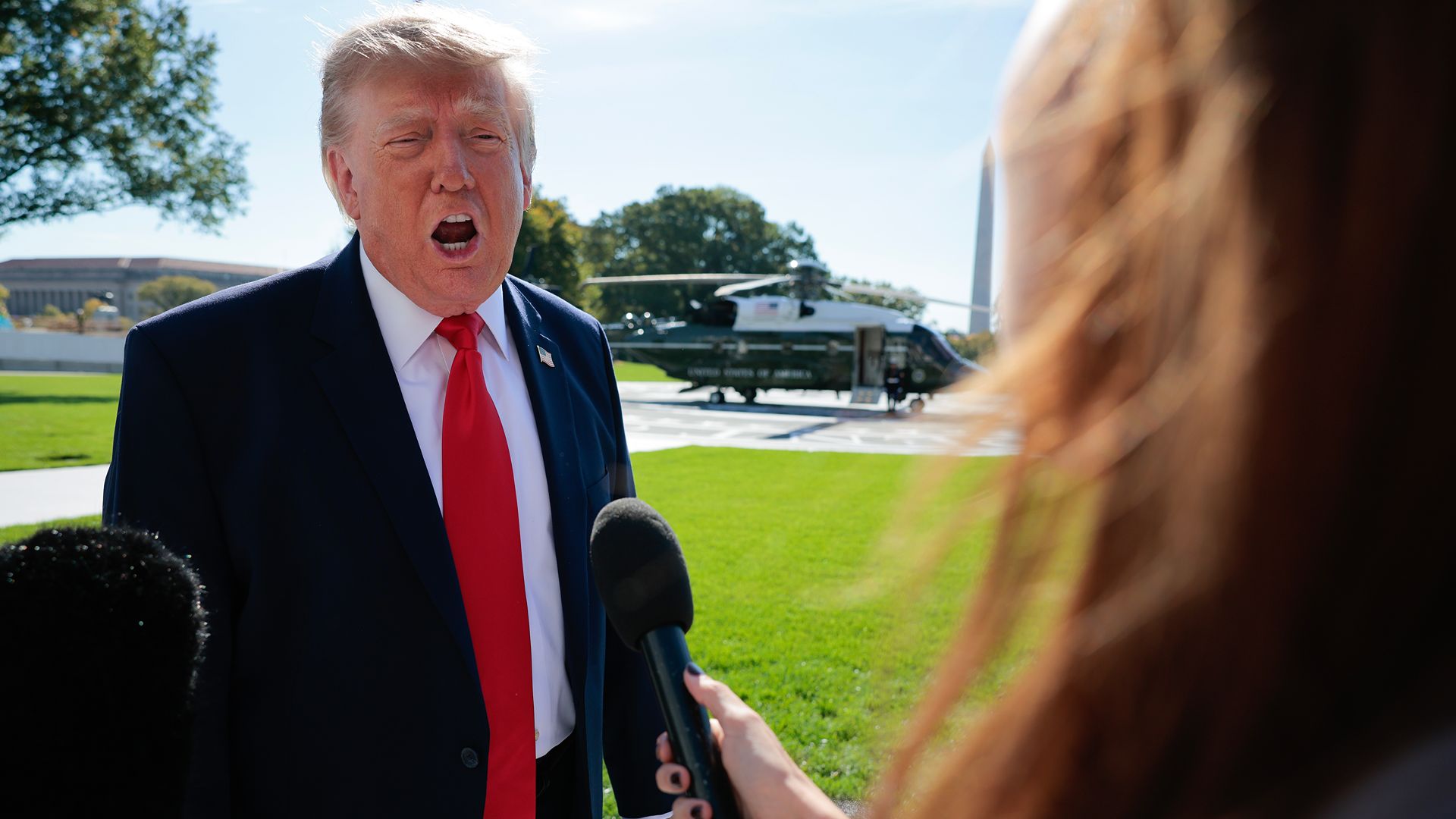
Donald Trump has refused to unconditionally commit to accepting the results of the November 3 midterm elections, raising fresh concerns about potential challenges to the outcome as millions of Americans vote in contests that could dramatically reshape control of Congress. Speaking to reporters at Joint Base Andrews on October 27, the president was asked whether he would respect the results regardless of which party emerged victorious. «I will, if they're honest elections. Yeah. Thank you», Trump replied, making his acceptance conditional on his assessment of the election's integrity. When previously asked how he would govern if Democrats secured control of the House or Senate, he acknowledged the possibility while emphasizing his presidential powers. «We'll figure a way. Look, I have strong veto. I hope that that won't be the case, but if it is, that's happened before with many presidents. And you have strong veto and you end up working out deals», he said. His remarks came as the administration pursued several legal challenges involving election procedures, while federal officials prepared an unusually extensive monitoring operation and Trump continued promoting unsubstantiated claims about widespread voter fraud.
The president's conditional remarks have taken on particular significance as Democrats enter Election Day with substantial advantages in national polling and growing dissatisfaction with Trump's administration. According to the Silver Bulletin's November 2 polling average, Democrats held an 8.9-percentage-point lead over Republicans on the generic congressional ballot, following an earlier high of 9.2 points during the election cycle. Meanwhile, the latest Associated Press-NORC survey found that only 35% of American adults approved of Trump's overall job performance, while approval of his handling of the economy had fallen to just 25%. Approximately seven in ten respondents believed the country was heading in the wrong direction, reflecting widespread frustration over living costs, inflation, and the continuing war with Iran. Democratic candidates have sought to capitalize on those concerns, particularly in competitive House districts and Senate races across North Carolina, Georgia, Ohio, Michigan, Maine, Iowa, and Kansas. Republicans, however, continue emphasizing immigration enforcement, tax reductions, and their economic policies while investing heavily in traditionally conservative territory. Although the polling figures suggest significant opportunities for Democrats, they do not establish the outcome of individual races.
I'm just asking everybody to pretend that I'm on the ballot.
Early voting has also demonstrated unusually strong participation, with more than 57 million Americans casting ballots before Election Day, surpassing the early-voting totals recorded at comparable stages of the 2022 midterms in several closely watched states. In North Carolina, registered Democrats accounted for approximately 1.08 million early ballots, compared with roughly 737,000 cast by registered Republicans, giving Democrats an advantage of more than 340,000 participating voters. Nevada similarly recorded more early ballots from registered Democrats than Republicans, providing another encouraging participation indicator for the party. However, voter registration does not necessarily establish which candidates individuals supported, and the final outcome will depend on independent voters, crossover voting, and Election Day turnout. The broader electoral atmosphere has nevertheless been shaped by widespread economic frustration and growing scrutiny of the administration's record, with Democrats hoping to convert public dissatisfaction into congressional gains. House Democrats need a net gain of three seats to regain the chamber, while Senate Democrats require four. The stakes are particularly significant for Trump, whose legislative agenda, executive priorities, and exposure to congressional investigations could all be affected by a change in political control.
Trump's repeated allegations of election fraud have also collided with a series of judicial setbacks for his administration, particularly in California, where the Justice Department attempted to force election officials to set aside ballots from approximately 20,000 voters whom federal authorities suspected of being noncitizens. California officials disputed the reliability of the government's evidence, while voting-rights advocates warned that the effort could disenfranchise eligible American citizens. On November 2, the Supreme Court rejected the administration's emergency request without recorded dissent, leaving earlier restrictions against the proposed ballot segregation in place. The decision followed a federal judge's warning that the government's demands could disrupt an election already underway. Meanwhile, Trump continued repeating his discredited allegations about the 2020 presidential election. During a November 1 interview with Right Side Broadcasting Network, he declared, «That happened to us in 2020. We won the race. They rigged it. It was rigged.» Despite numerous investigations, recounts, and court proceedings, no evidence has established the widespread fraud necessary to overturn his 2020 defeat. The administration maintains that its current legal efforts are designed to prevent illegal voting, while critics argue that the disputes risk undermining confidence in legitimate election results.
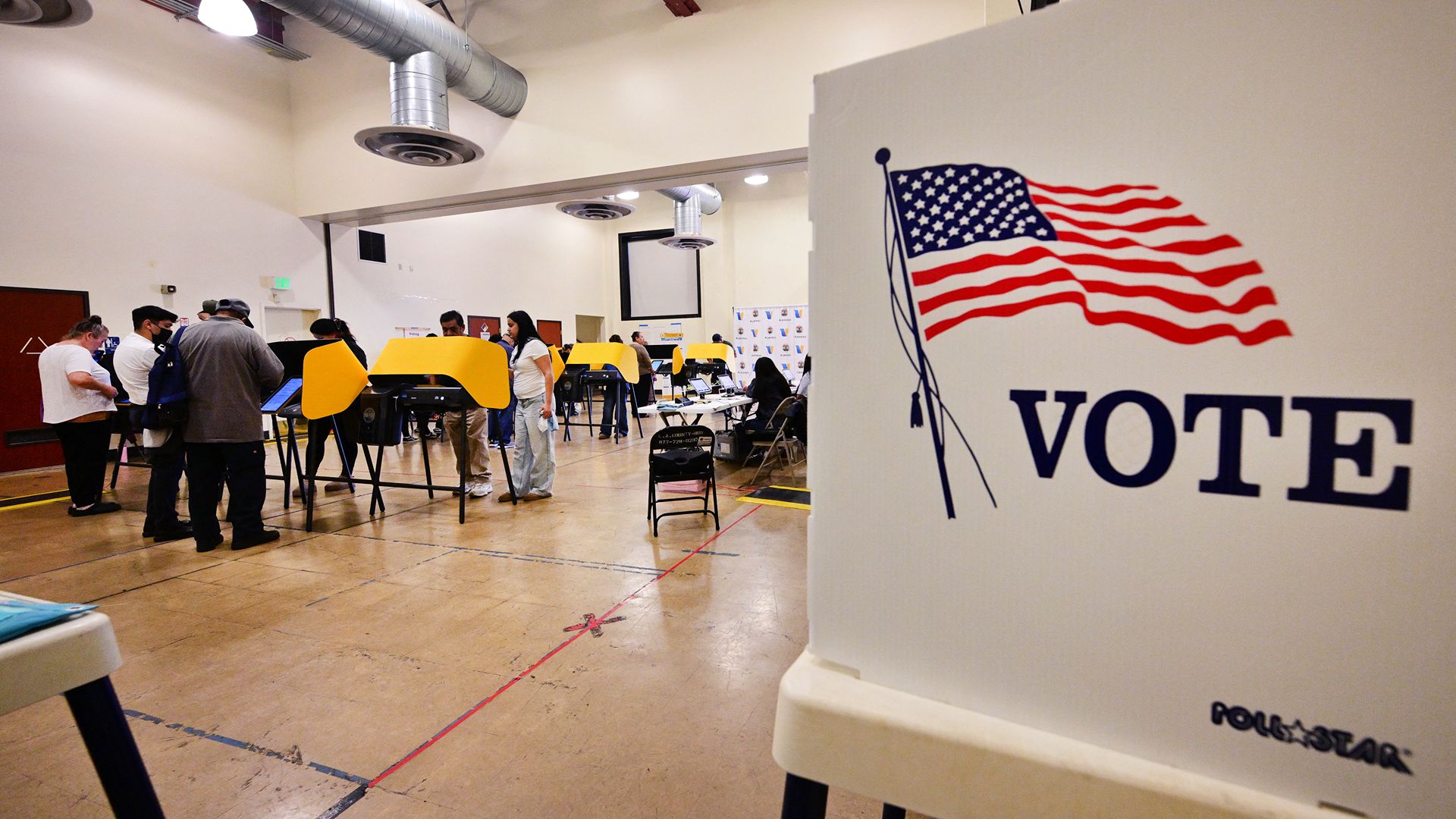
The administration's unprecedented federal election-monitoring operation has added another layer of controversy to an already closely scrutinized Election Day. On November 3, the Justice Department announced the deployment of approximately 1,000 monitors and observers across all 50 states, describing it as the largest such operation in the department's history. Personnel were assigned to more than 120 counties and cities, with federal officials insisting that their presence was intended to protect voting rights, identify possible violations, and strengthen election transparency. Assistant Attorney General Harmeet Dhillon defended the initiative, declaring, «I am very proud we are deploying the largest monitoring effort in DOJ history, and pursuing transparency for elections in an assertive and nondiscriminatory manner.» However, voting-rights organizations expressed concerns that the unusually extensive federal presence could intimidate voters or interfere with local election administration, particularly amid the administration's ongoing challenges to voter eligibility procedures. A federal judge subsequently required additional assurances that election monitors would not exercise arrest powers, while restrictions prohibited armed or uniformed personnel from participating in the monitoring program. Although federal election observation has existed for decades under administrations of both parties, the nationwide scope of this operation was unprecedented.
The inflation is solved.
As voting continued Tuesday, Trump used his final television appearances to defend his presidency, criticize Democrats, and urge Republican supporters to participate in an election that could determine his administration's legislative future. During a November 2 interview with Fox News host Sean Hannity, the president encouraged voters to approach the midterms as though he were personally seeking reelection, declaring, «I'm just asking everybody to pretend that I'm on the ballot.» He also warned that Democratic congressional victories could reverse major elements of his agenda, including tax provisions and other policies enacted during his second term. Appearing on Fox & Friends the following morning, Trump delivered another emphatic defense of his record, declaring, «We have to keep America great. We're great now. We were terrible two years ago.» He also insisted that his administration had restored America's international standing, claiming the country was now respected worldwide while defending his immigration crackdown, tariffs, and military campaign against Iran. «The inflation is solved», Trump asserted, despite continuing concerns about consumer prices and household expenses. His confident portrayal of the economy contrasted with polling showing widespread dissatisfaction among Americans, leaving his earlier declaration that he would accept the midterm results only if they were «honest» hanging over an election whose outcome remained uncertain.
Created by humans, assisted by AI.
