

/https%3A%2F%2Fcdn-tor.buminteractif.com%2F2026%2F06%2F02192234%2Ftrump-iran-getty345sgsdgsdf.jpg)
Donald Trump offered a surprisingly dismissive reaction to the growing possibility that negotiations between the United States and Iran could collapse, despite weeks of publicly expressing confidence that a diplomatic breakthrough remained within reach. The comments came as tensions continued to rise across the Middle East following renewed military operations involving Israel and Hezbollah in Lebanon. While Trump had repeatedly suggested that a peaceful resolution between Washington and Tehran was still possible, his latest remarks painted a very different picture. Speaking as reports emerged that Iran was reconsidering its participation in discussions with the United States, Trump indicated that he was largely unconcerned about the fate of the talks, creating fresh uncertainty around the administration's diplomatic objectives and raising questions about whether a negotiated settlement remains a priority.
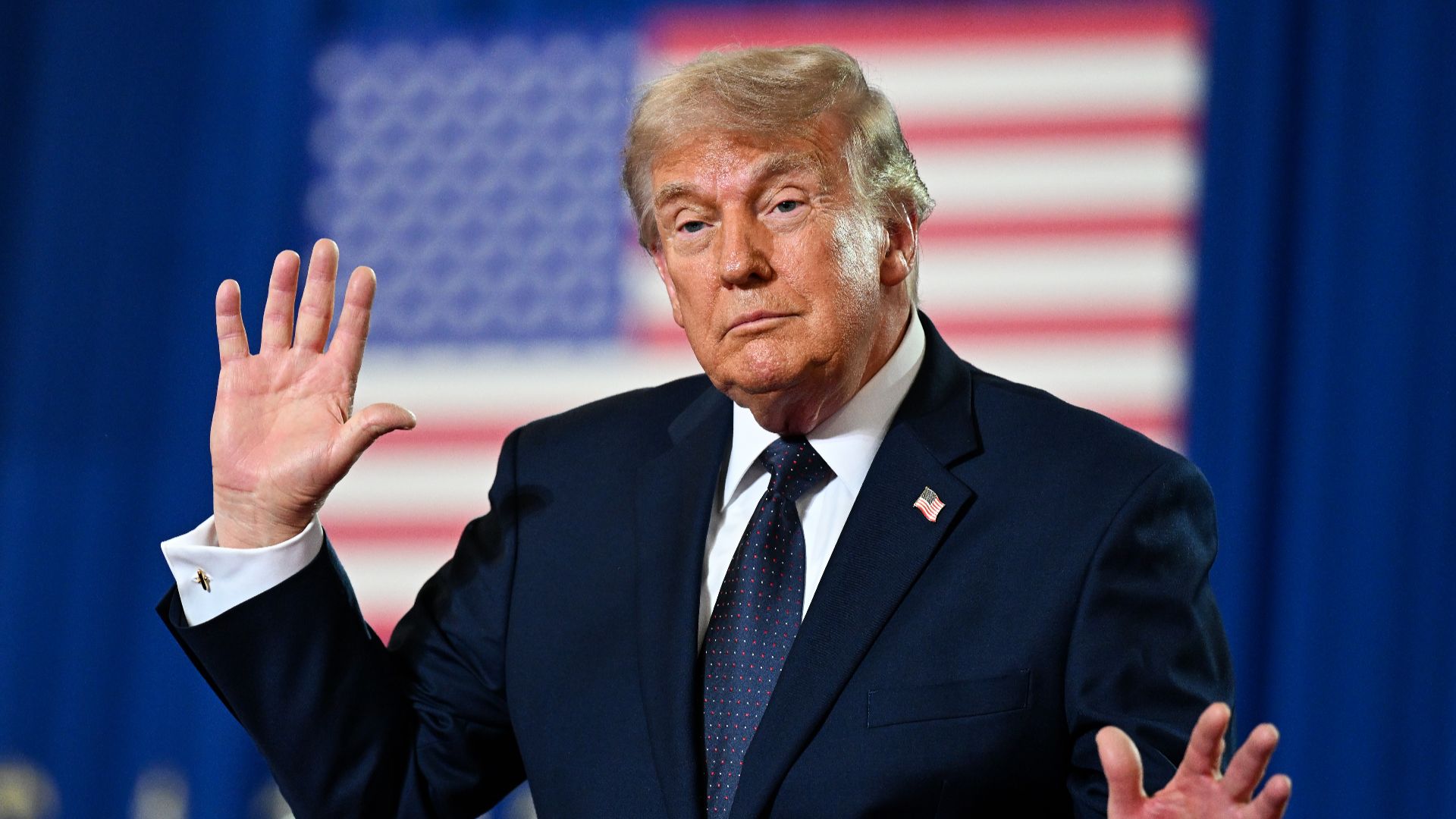
During a phone interview with CNBC's Eamon Javers, Trump responded to reports that Iran was considering ending negotiations with the United States following Israeli military actions against the Iran-backed Hezbollah movement in Lebanon. Rather than expressing concern over the potential collapse of diplomacy, the president appeared frustrated with the pace of the process and suggested he had grown tired of the discussions. «I don't care if they're over, honestly.» Trump said when asked about the future of the talks. He then added: «I really don't care. I couldn't care less.» According to Javers, Trump also described the negotiations as increasingly uninteresting and indicated that he was no longer particularly invested in their outcome. The remarks represented one of the strongest indications yet that the White House may be preparing for a scenario in which diplomacy fails to produce meaningful results.
«I had a very good call with Hezbollah, and they agreed that all shooting will stop — That Israel will not attack them, and they will not attack Israel.»
-U.S. President, Donald Trump on Truth Social
Trump's comments stood in sharp contrast to his recent public statements regarding developments in Lebanon and the broader regional crisis. In a Truth Social post published only days earlier, the president claimed to have personally intervened to secure commitments aimed at reducing hostilities between Israel and Hezbollah. Trump wrote: «I had a very good call with Hezbollah, and they agreed that all shooting will stop — That Israel will not attack them, and they will not attack Israel.» In a separate post discussing his conversation with Israeli Prime Minister Benjamin Netanyahu, Trump stated: «I had a very productive call with Prime Minister Bibi Netanyahu, of Israel, and there will be no Troops going to Beirut, and any Troops that are on their way, have already been turned back.» Those statements were widely interpreted as evidence that Washington was actively working to prevent further escalation that could jeopardize negotiations with Iran.
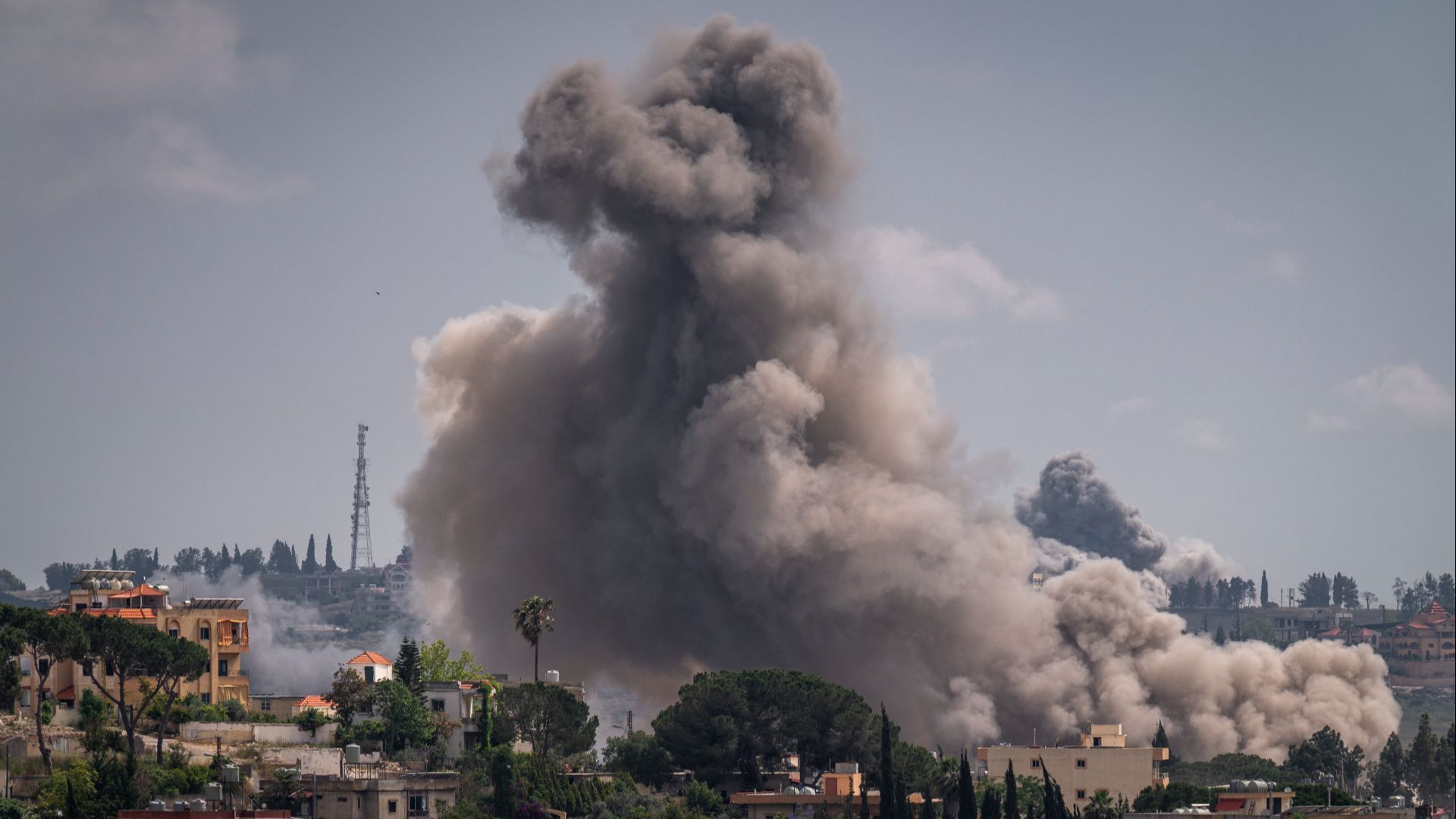
Israeli officials quickly offered a different interpretation of events. Netanyahu's office clarified that Israel had only agreed to temporarily delay certain planned operations following discussions with the United States and emphasized that military action would continue if Hezbollah attacks persisted. The Israeli government stressed that its strategic objectives had not changed and that operations against Hezbollah would continue wherever deemed necessary. Israeli Defense Minister Israel Katz further complicated the situation by declaring that «there is no ceasefire in Lebanon,» despite Trump's assertions that progress had been made toward ending hostilities. Meanwhile, Israeli airstrikes continued across parts of southern Lebanon while Hezbollah launched additional rockets and drones toward northern Israeli communities, underscoring the fragile nature of any diplomatic understandings reached behind the scenes.
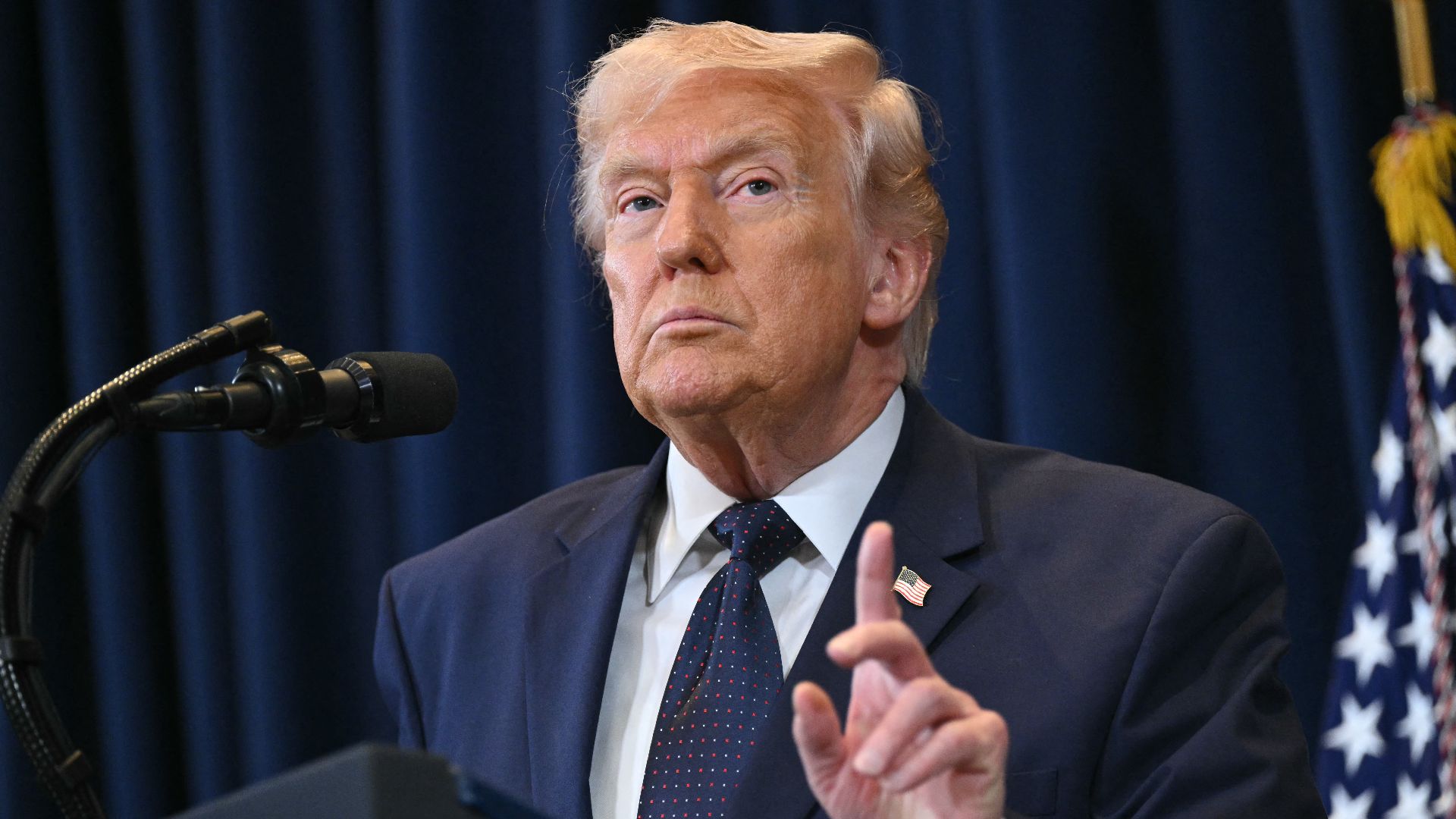
Reports from Axios indicated that Trump had privately pressured Netanyahu to avoid a major escalation in Beirut, arguing that expanded military operations threatened broader American diplomatic efforts involving Iran. According to the report, the president expressed frustration with the possibility that a significant Israeli offensive could undermine months of negotiations and generate additional international criticism. The apparent discrepancy between Trump's private efforts to limit escalation and his public dismissal of the talks has contributed to growing confusion among foreign policy observers. Analysts have noted that the administration's messaging has fluctuated dramatically in recent weeks, alternating between optimistic predictions of a diplomatic breakthrough and suggestions that the White House would be unaffected if negotiations were abandoned entirely. The mixed signals have left allies and adversaries alike attempting to determine Washington's actual position.
«I don't care if they're over, honestly. I really don't care. I couldn't care less.»
-U.S. President, Donald Trump
The future of the negotiations remains uncertain as military tensions continue to overshadow diplomatic efforts throughout the region. Iranian officials have repeatedly linked progress in discussions with the United States to broader regional stability, particularly developments involving Israel and Hezbollah. Trump has continued to insist that Iran will never be permitted to obtain a nuclear weapon, but his latest comments have fueled speculation that the administration may be losing confidence in diplomacy as a path toward achieving that objective. With hostilities continuing in Lebanon, conflicting messages emerging from Washington and Jerusalem, and Tehran signaling growing frustration over regional developments, the prospects for a negotiated agreement appear increasingly fragile. Whether Trump's comments reflect genuine indifference or a strategic negotiating posture remains unclear, but they have unquestionably intensified uncertainty surrounding one of the most consequential diplomatic efforts currently underway.
Created by humans, assisted by AI.
