Trump Targets Dozens of Countries With 10% Tariffs Over Forced Labor Allegations, Including EU, Canada and Mexico


/https%3A%2F%2Fcdn-tor.buminteractif.com%2F2026%2F06%2F03150326%2Ftrump-tariffs-grrtu4.jpg)
President Donald Trump's tariff agenda is back after suffering a major legal setback at the hands of the U.S. Supreme Court. Earlier this year, the court struck down the sweeping global tariffs Trump had imposed during the opening months of his second term, ruling that the president had exceeded his authority by relying on emergency powers to impose import duties without congressional approval. Following that decision, the administration temporarily implemented a global 10 percent tariff under a separate legal provision, but that measure is scheduled to expire in July unless Congress acts. Now, Trump is pursuing a new strategy, proposing tariffs targeting roughly 60 countries, including the European Union, Canada and Mexico, by accusing them of failing to adequately combat forced labor within international supply chains. The administration argues that the issue represents both an economic and moral challenge that requires immediate action.
The latest tariff proposal stems from a Section 301 investigation conducted by the Office of the United States Trade Representative. The investigation concluded that dozens of American trading partners had failed to enact or effectively enforce laws designed to prevent the importation of goods produced through forced labor. Under the proposal, imports from the European Union, Canada and Mexico would face a 10 percent tariff, while several other countries, including China, Brazil, South Korea, Switzerland and the United Kingdom, could face duties of 12.5 percent. White House officials argue that foreign governments have allowed products tied to forced labor to enter global markets, creating unfair competition for American manufacturers and workers. The proposal represents the administration's most significant trade action since the Supreme Court dismantled Trump's earlier tariff program.
«April 2, 2025, will forever be remembered as the day American industry was reborn, the day America's destiny was reclaimed and the day that we began to make America wealthy again.»
-U.S. President, Donald Trump
The administration has framed the initiative as a necessary response to what it describes as widespread failures by foreign governments to police labor abuses. White House spokesman Kush Desai defended the proposal, saying that forced labor practices abroad pose a direct economic threat to American workers. Desai stated: «The Trump administration's historic Section 301 investigation will ensure both that the perpetrators of forced labor practices cannot unduly profit from unfettered access to the American economy and that American workers are no longer unfairly undermined.» He also argued that the importation of goods connected to forced labor creates a «threat to American workers and industries.» Administration officials contend that countries benefiting from low-cost production linked to forced labor have gained an unfair advantage over domestic manufacturers that must comply with stricter labor standards.
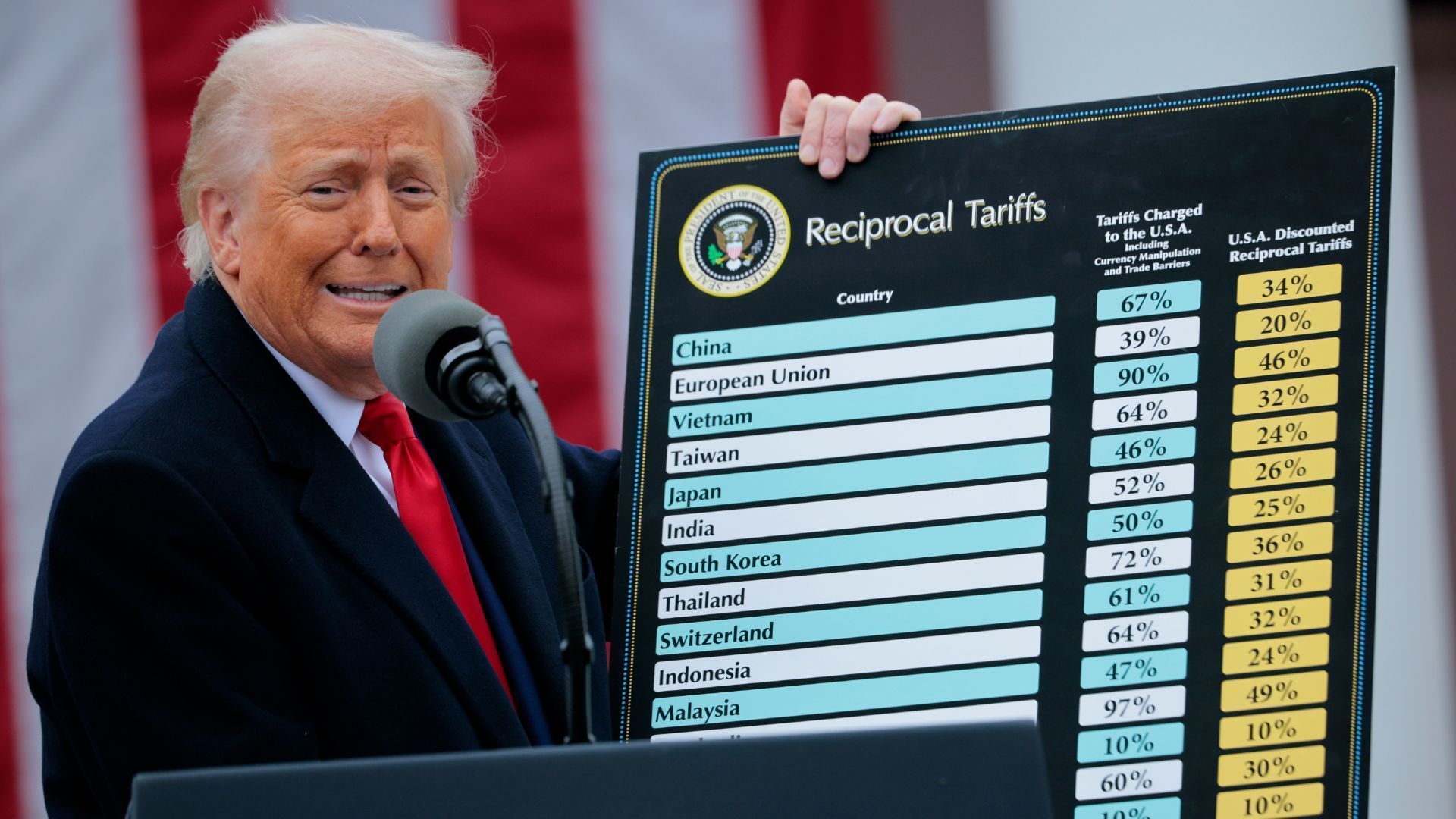
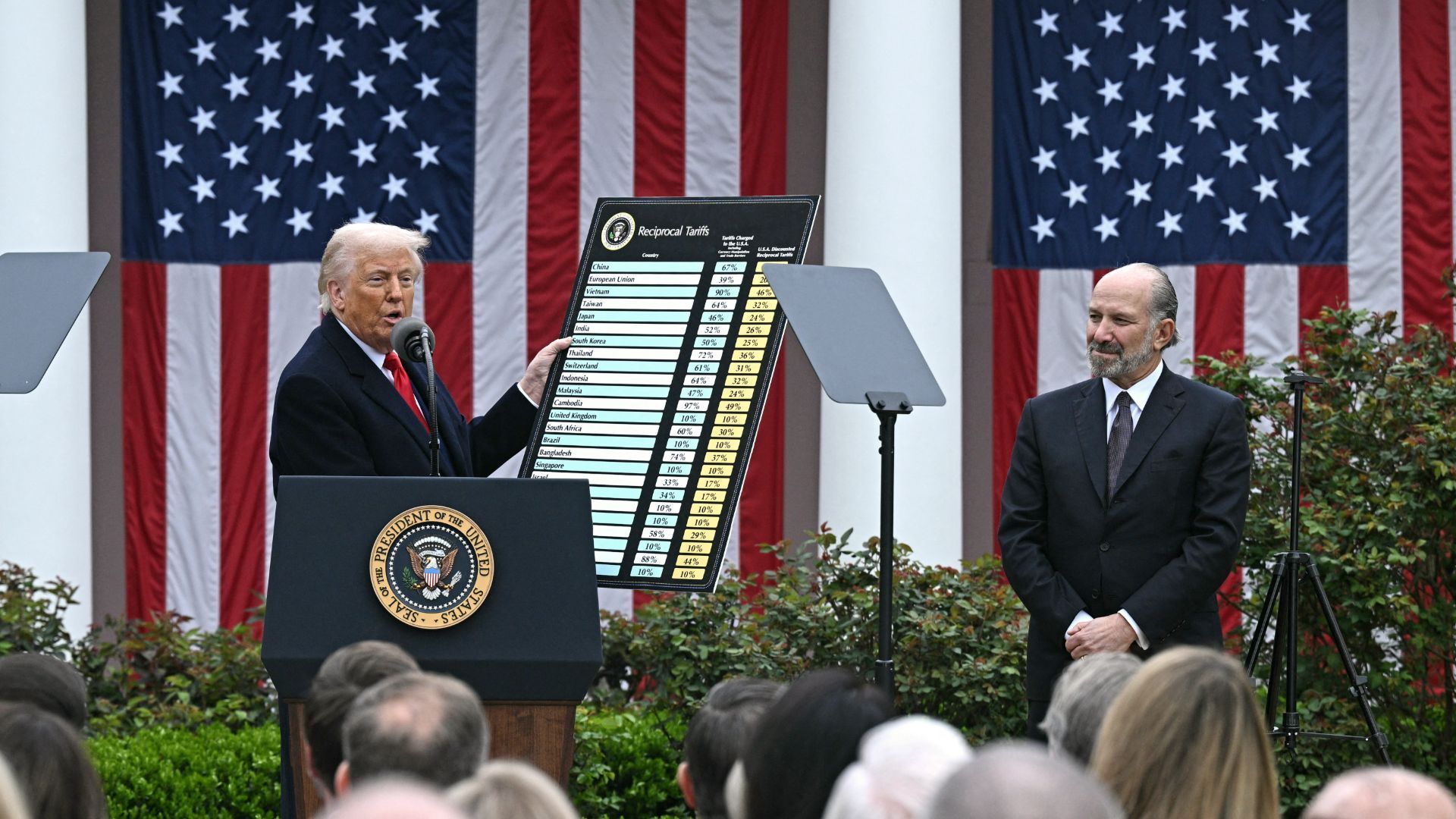
The proposal follows one of the most consequential legal defeats of Trump's presidency. In February, the Supreme Court issued a 6-3 ruling that invalidated the administration's earlier global tariff regime. The decision stemmed from a challenge to Executive Order 14257, which Trump unveiled during a high-profile White House event he branded as “Liberation Day.” Speaking from the Rose Garden in April 2025, Trump declared: «April 2, 2025, will forever be remembered as the day American industry was reborn, the day America's destiny was reclaimed and the day that we began to make America wealthy again.» The court ultimately rejected the administration's legal justification, ruling that the Constitution grants Congress, not the president, primary authority over taxation and tariffs. The decision effectively dismantled what had been one of Trump's signature economic policies.
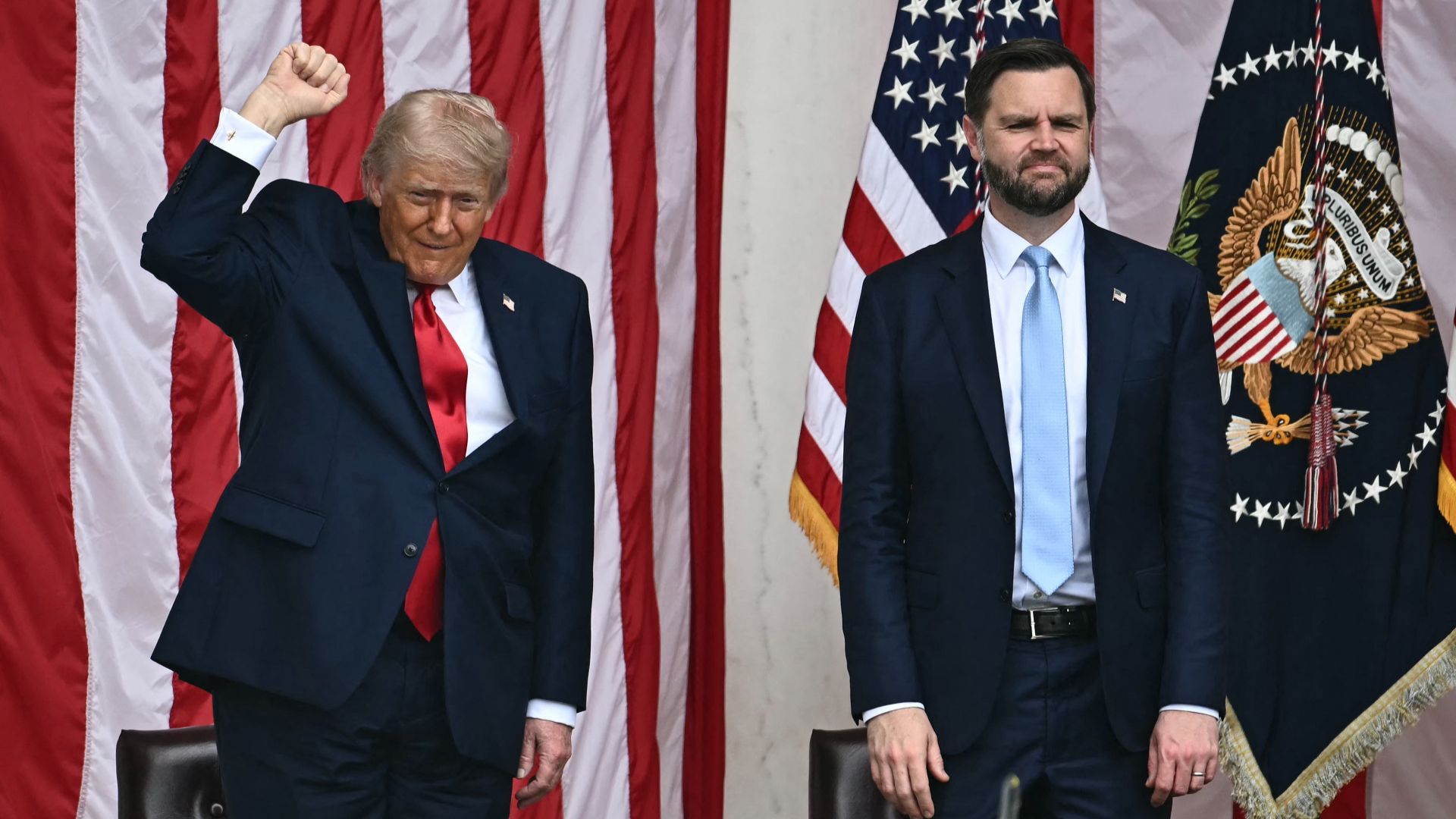
A substantial portion of the administration's new case focuses on China and allegations involving forced labor in the Xinjiang region. U.S. officials and human rights organizations have long accused Chinese authorities of relying on coercive labor programs involving Uyghurs and other ethnic minorities in industries such as cotton production and polysilicon manufacturing. Beijing has repeatedly rejected those allegations, insisting that no forced labor exists within its supply chains. Chinese officials have also criticized the tariff proposal as an attempt to politicize trade issues and use human rights concerns as a pretext for economic restrictions. The dispute is likely to further strain relations between Washington and Beijing at a time when both governments are already engaged in intense competition over technology, trade and geopolitical influence.
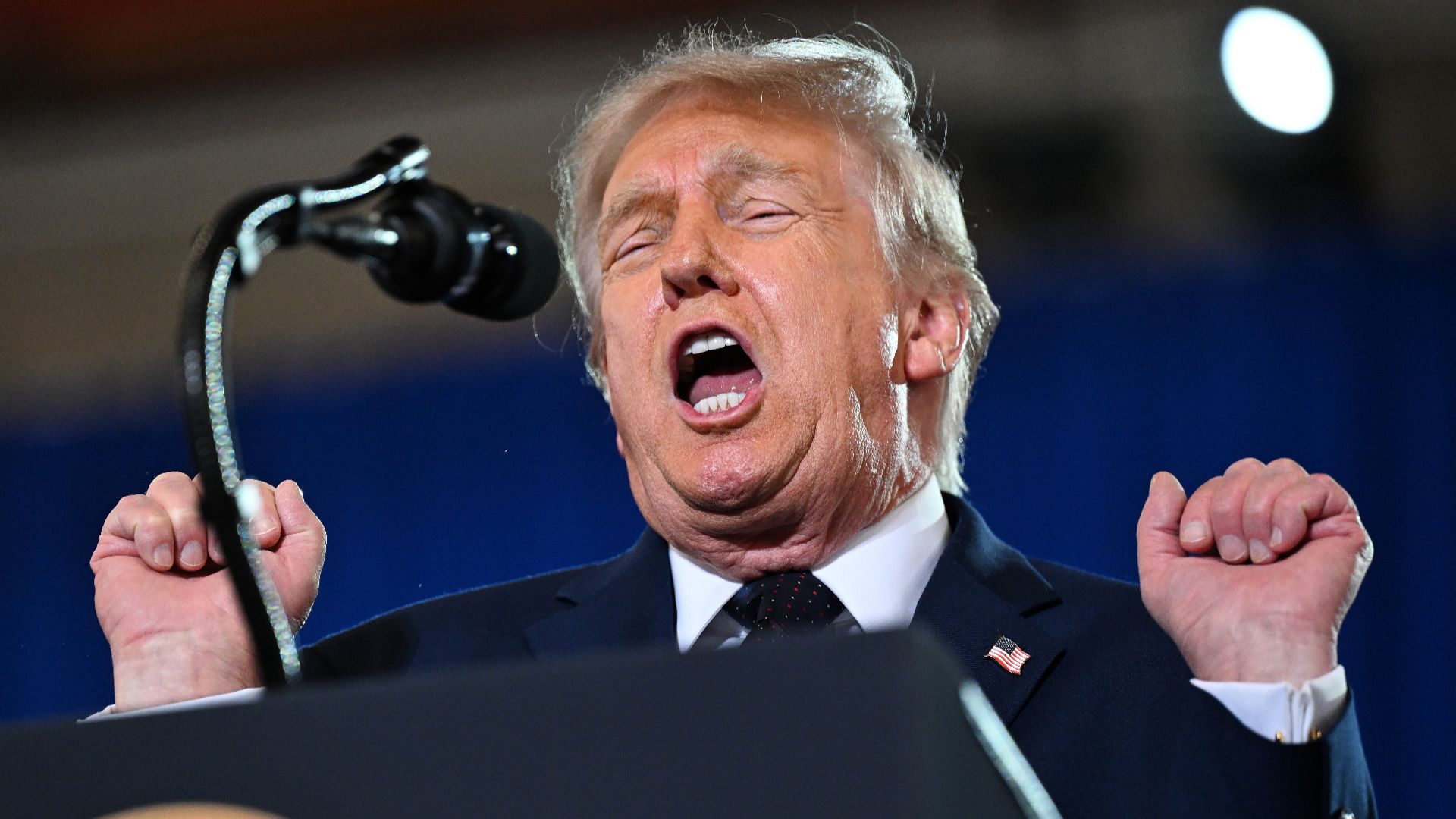
The proposal is expected to trigger strong reactions from several of America's closest allies. European Union officials have previously emphasized their commitment to eliminating forced labor from global supply chains and have adopted regulations designed to prohibit the importation of goods produced through such practices. Canada and Mexico have also introduced measures aimed at addressing forced labor concerns under existing trade agreements with the United States. Nevertheless, the Trump administration argues that current efforts remain insufficient and that stronger economic pressure is necessary. Public hearings on the proposal are expected in the coming weeks before any tariffs can take effect. If implemented, the measures would mark another major escalation in Trump's effort to reshape global trade relations and revive the protectionist economic agenda that has defined much of his second term.
Created by humans, assisted by AI.
