Trump Threatens to «Annihilate» Islamic Republic and Says Cuba «Will Fall» as Iranian and Cuban Delegates Walk Out at UN


/https%3A%2F%2Fcdn-tor.buminteractif.com%2F2026%2F09%2F22185304%2Ftrump-un-getty-45345dfgdfgt43g.jpg)
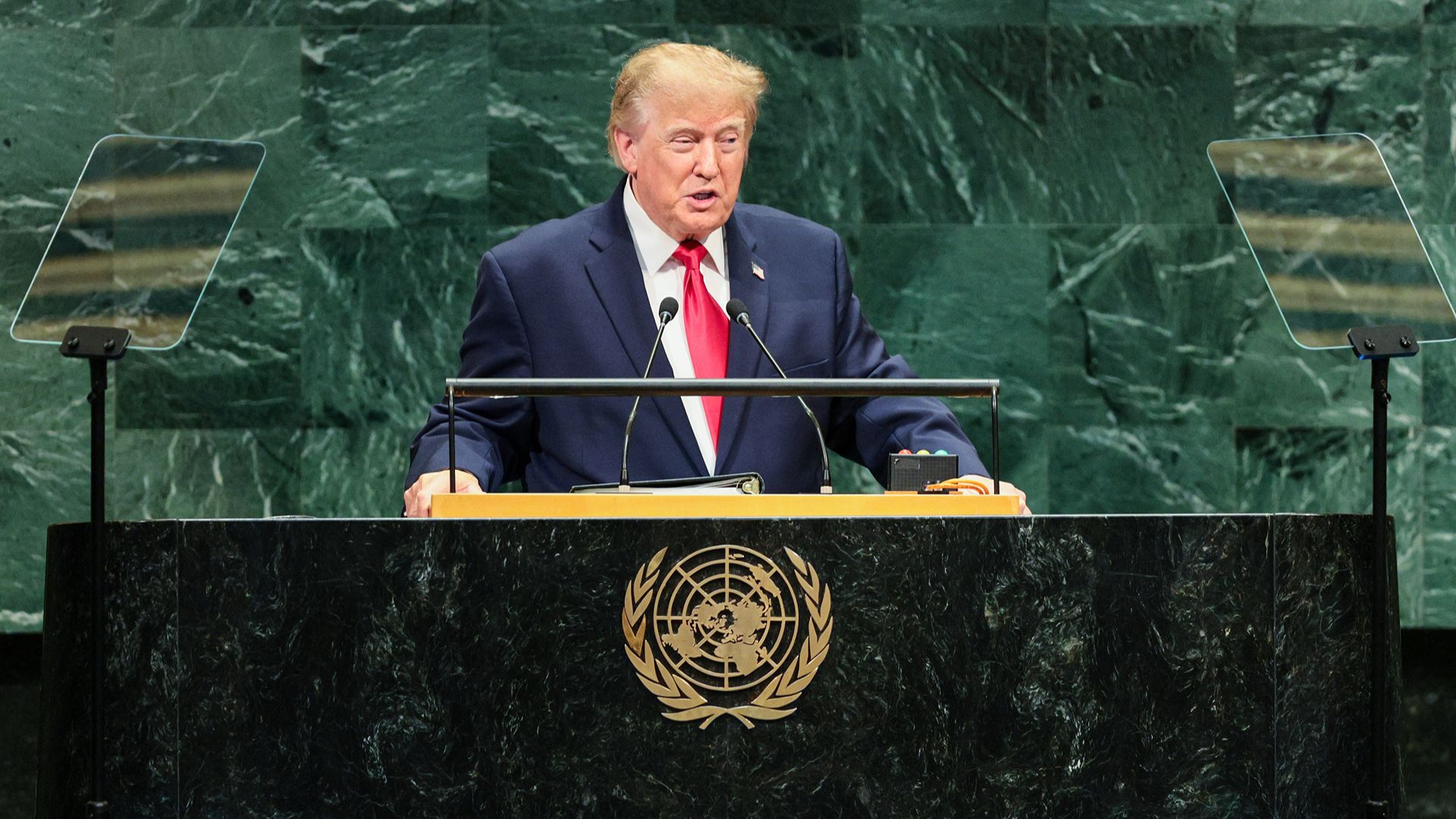
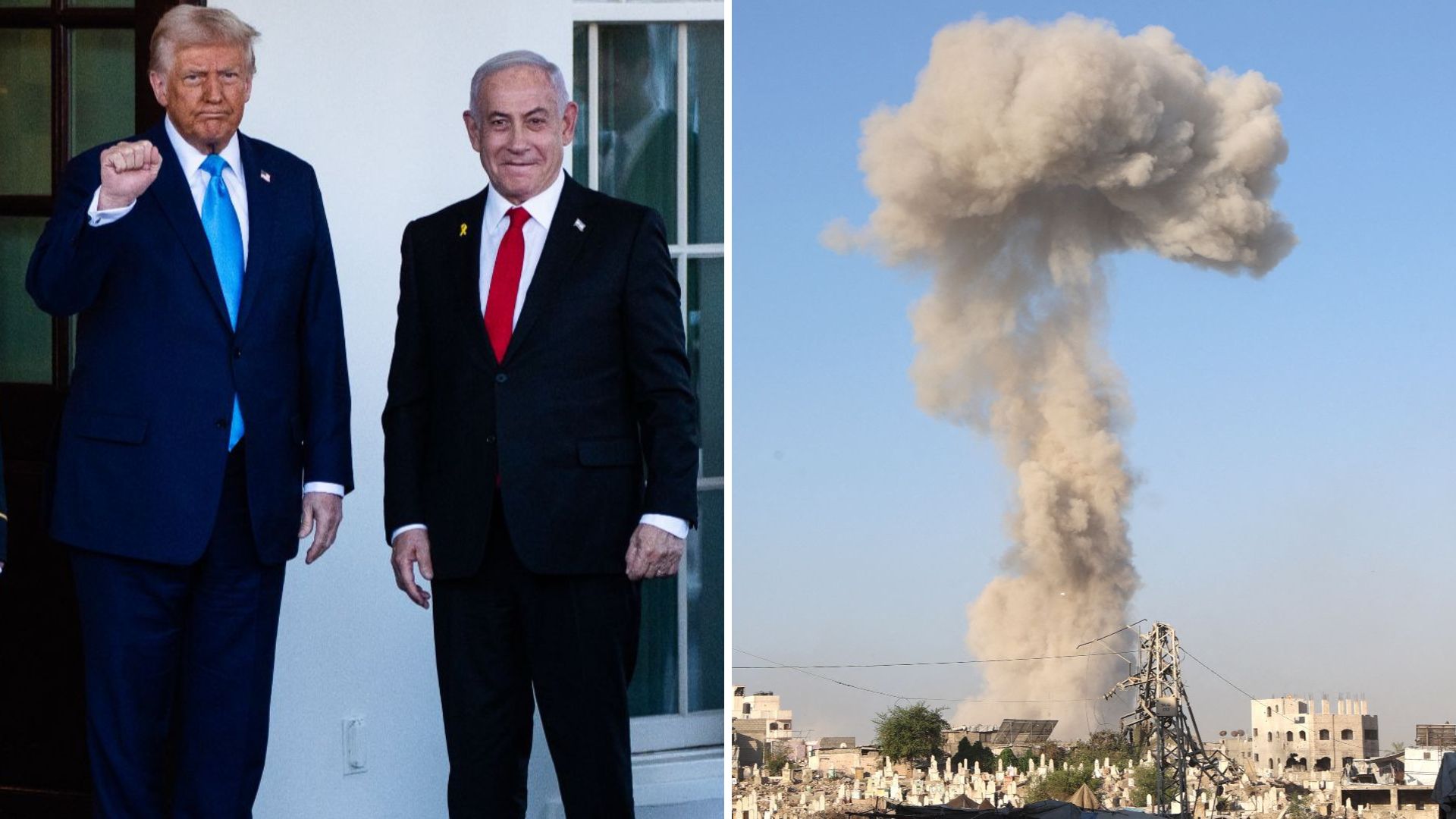
Donald Trump delivered an unusually confrontational address to the 81st United Nations General Assembly in New York on Tuesday, using the global stage to defend the nearly seven-month U.S. war with Iran, threaten the Islamic Republic with destruction and predict the collapse of Cuba's communist government. His remarks produced visible protests inside the General Assembly Hall. Most of the Iranian representatives present walked out as Trump intensified his warnings toward Tehran, while at least one Iranian representative remained seated. Later, Cuban representatives also left as Trump turned his attention to Havana and described the country as an «absolutely failed state» that «will fall.» The speech came at a difficult moment for Trump's foreign policy, with the Iran conflict continuing to disrupt energy markets and becoming a contentious domestic political issue ahead of the U.S. midterm elections. Trump nevertheless presented his approach as a choice between reaching agreements with American adversaries and using overwhelming U.S. power if negotiations fail.
Iran dominated some of Trump's strongest remarks. The president defended his decision to launch the current war and portrayed Tehran as weakened by months of military and economic pressure, declaring, «The terrorist regime is behaving badly, not because they are strong and confident, but because they are weak and desperate.» Trump then said he was approaching what he called a decisive moment in the conflict. «I have a big decision to make,» he told the General Assembly. He presented one possibility as an agreement allowing Iran to recover, asking, «Will a deal be made with Iran that lets them rebuild and create a far greater country than it ever was before, maybe one of the greatest in the Middle East or even the world.» He immediately followed that possibility with an extraordinary military threat: «Or do I annihilate the Islamic Republic and do it quickly, never giving them a chance to kill and destroy people and countries again?» Trump also threatened to «drive them into hell with no chance of survival and no hope of future greatness or generations.» Most of the Iranian representatives present subsequently left the chamber.
«It's an absolutely failed state. It's failing like never before, and it will fall.»
-U.S. President, Donald Trump
Trump nevertheless continued to leave the possibility of negotiations on the table, arguing that Iran is delaying an agreement until after the November midterm elections. «I believe we'll make a deal right after the election because it doesn't make sense for them not to,» he said. Trump then shifted from Iran to Cuba, where his language remained confrontational but focused on political collapse rather than a direct military ultimatum. The president said his administration is seeking a «fundamental change» in Cuba and declared, «It's an absolutely failed state. It's failing like never before, and it will fall.» As Trump made his remarks, members of the Cuban delegation stood and walked out of the General Assembly Hall in protest. Trump also said Secretary of State Marco Rubio was involved in negotiations with Havana and vowed that the United States would «not allow a haven for foreign adversaries to threaten America on our own doorstep.» He later declared, «Communism will never enter America. Instead, freedom, safety, and security will come to Cuba,» combining his foreign-policy message with language aimed directly at an American political audience.
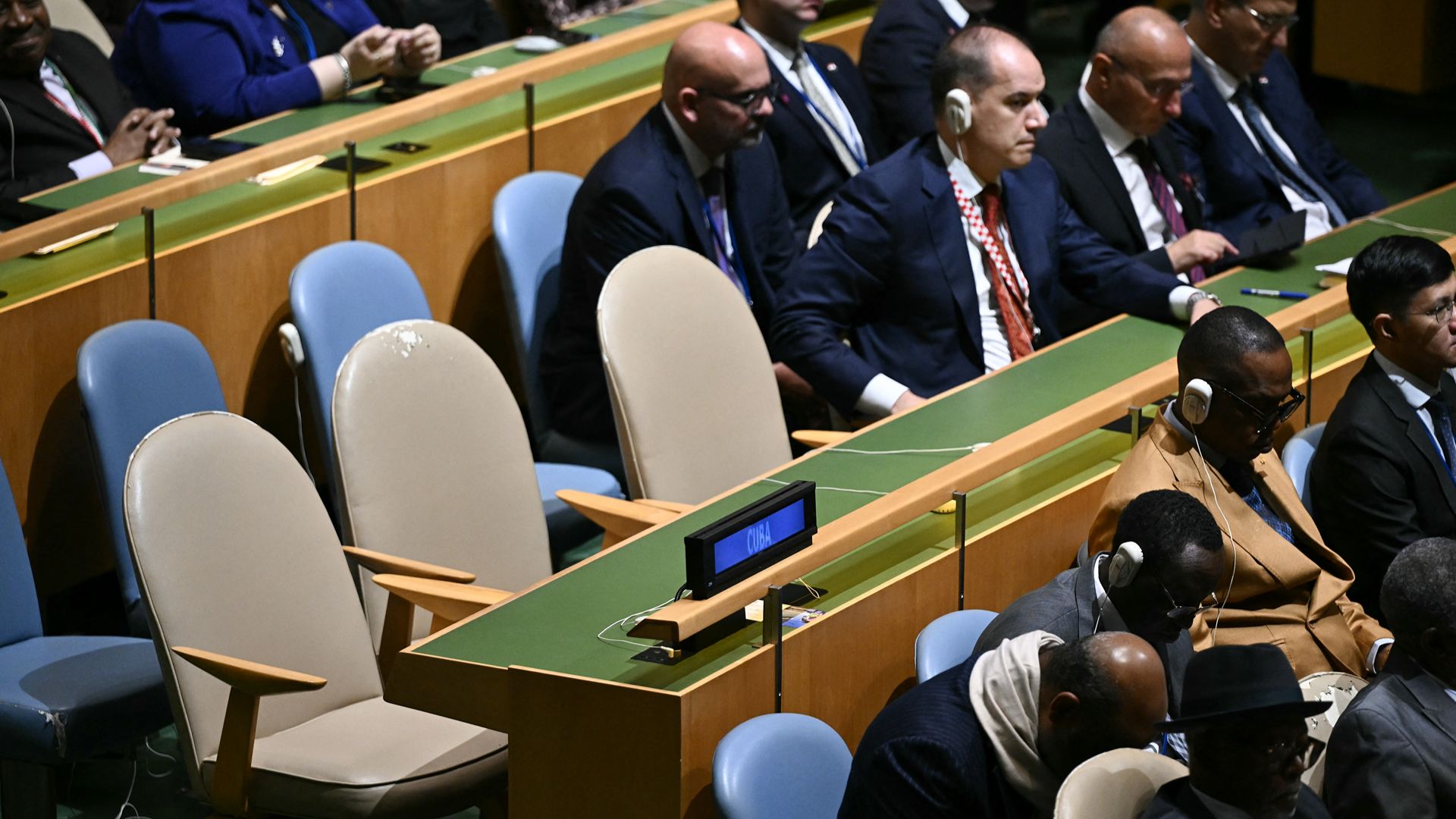
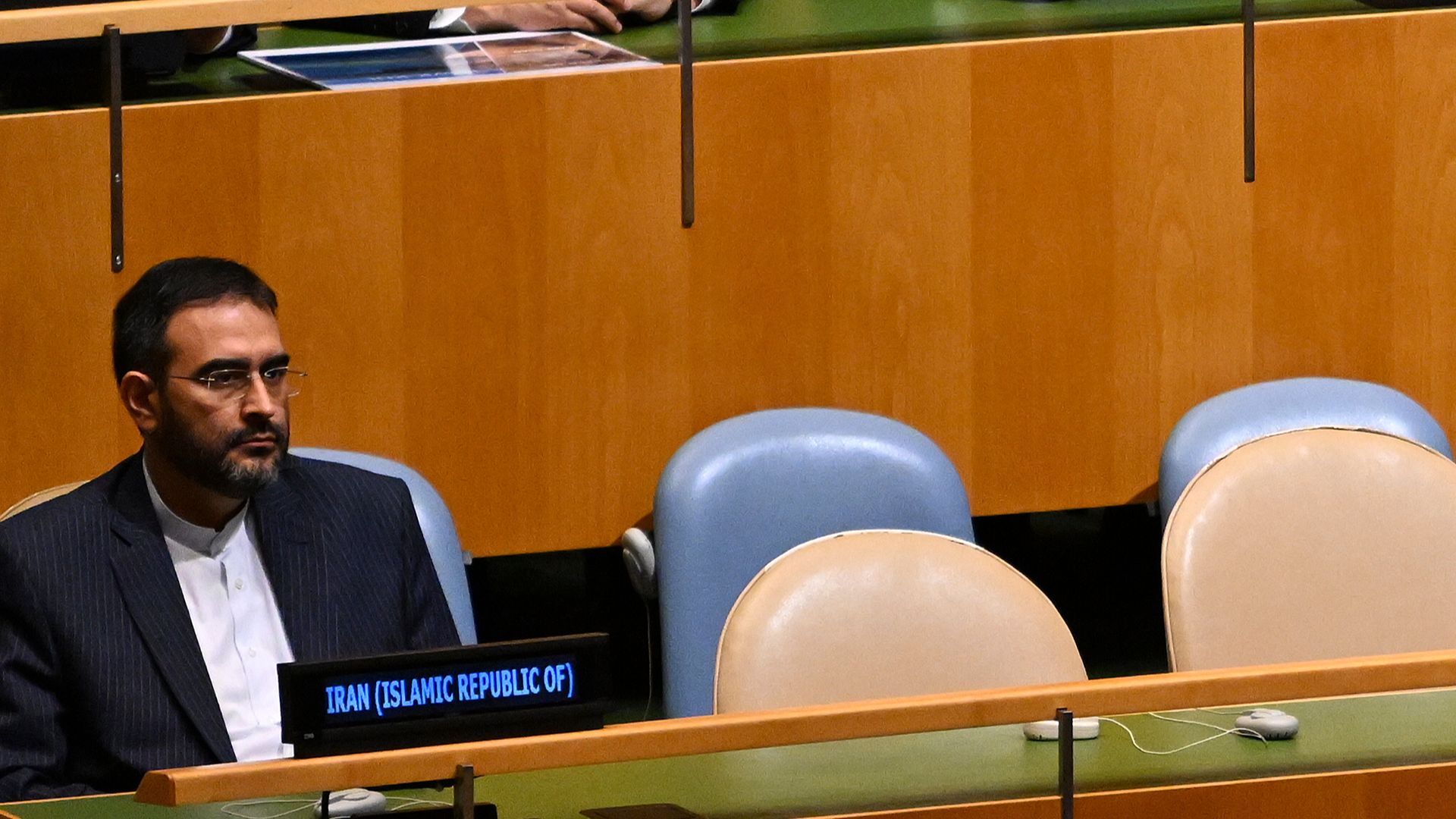
The reaction from Iranian representatives unfolded visibly inside the General Assembly Hall. About 10 minutes into Trump's speech, as he began discussing months of American military action against Tehran, most of the lower-level Iranian diplomats and staff members seated in the chamber stood and walked out, leaving only one representative behind. Iranian President Masoud Pezeshkian and Foreign Minister Abbas Araghchi were both in New York for the United Nations gathering but were not inside the hall for Trump's address. The remaining Iranian representative stayed seated as Trump continued his warnings. The protest was later followed by another walkout when Trump turned his attention toward Cuba. Cuban representatives left the chamber as the president attacked the government in Havana and predicted its collapse, creating two highly visible moments of diplomatic protest during a speech already dominated by confrontational language toward American adversaries.
Trump's approach also stood in sharp contrast with calls for diplomacy heard elsewhere at the General Assembly. U.N. Secretary-General António Guterres used his opening address to warn governments against relying primarily on force to resolve international conflicts, declaring that recent events have demonstrated that «military power alone cannot secure peace.» Brazilian President Luiz Inácio Lula da Silva also emphasized diplomacy as world leaders confronted the economic and security consequences of continuing international conflicts, including the war with Iran. Trump, however, repeatedly defended American military power while arguing that his administration had strengthened the United States at home and abroad. His speech frequently sounded aimed at an American audience as well as the diplomats gathered in New York, with Trump discussing the economy, immigration, crime and his domestic political record alongside international crises. The combination produced an address that moved repeatedly between foreign-policy warnings and themes more commonly heard in Trump's political speeches.
«Will a deal be made with Iran that lets them rebuild and create a far greater country than it ever was before, maybe one of the greatest in the Middle East or even the world. Or do I annihilate the Islamic Republic and do it quickly, never giving them a chance to kill and destroy people and countries again?»
-U.S. President, Donald Trump
Yet only hours after publicly raising the possibility of destroying the Islamic Republic, Trump adopted a noticeably different tone about Iran. Following a meeting with British Prime Minister Andy Burnham, the president suggested that negotiations were continuing behind the scenes and that an agreement remained possible. «I think that a settlement is going to be reached,» Trump said. «They want to talk to us. They have been talking to us, even today. They've been talking to us, and the relationship is developing.» The remarks offered a striking contrast with his earlier question about whether to «annihilate the Islamic Republic» and showed that the administration had not closed the diplomatic channel despite the public threats. Trump also moved into a packed schedule of meetings and diplomatic events after leaving the General Assembly, including the signing of a new security agreement with Denmark and Greenland. For Iran, however, the central question remained unresolved: whether Trump's increasingly severe warnings would ultimately lead to another escalation or the agreement he said could still be reached.
Created by humans, assisted by AI.
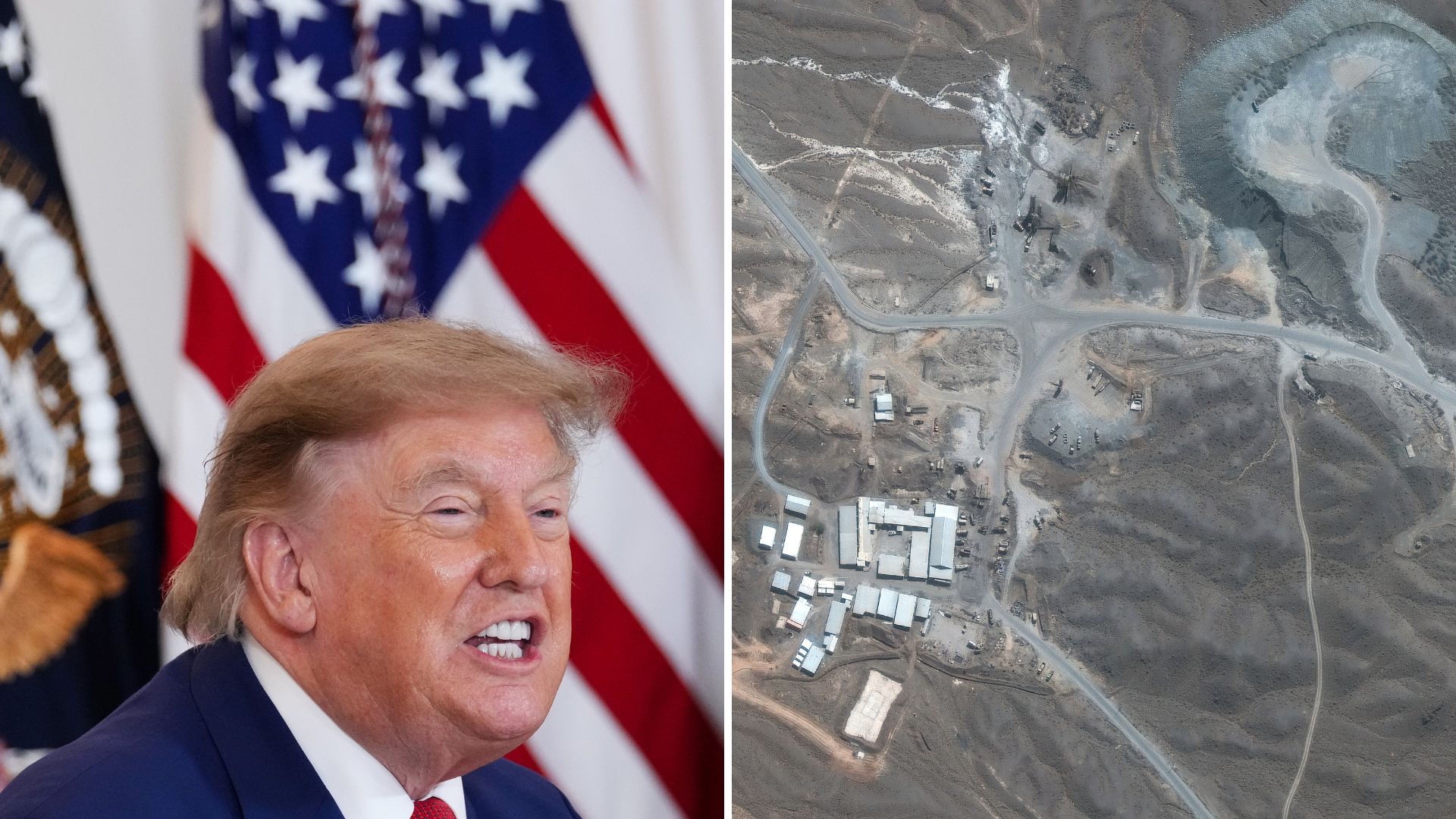 New satellite images show Iran racing to build at nuclear sites amid US war
 Trump moves forward with one of largest US bomb deliveries to Israel in $2.8 billion arms deal