

/https%3A%2F%2Fcdn-tor.buminteractif.com%2F2026%2F07%2F20172524%2Ftrump-air-force-one-getty345-345dfgdfg.jpg)
Donald Trump announced that the Qatari-gifted Boeing 747-8 currently serving as Air Force One will be removed from service for additional modifications after its first overseas presidential mission exposed important security limitations. The aircraft, which had recently carried Trump abroad for a NATO meeting, was judged unsuitable for the most sensitive portion of the return journey when tensions in the region raised concerns about potential threats. Less than two weeks later, after returning from the FIFA World Cup final, Trump confirmed at Joint Base Andrews that the jet would undergo another intensive round of work intended to bring its capabilities closer to those of the traditional presidential fleet. «It has a lot of capability… but we're going to take it out for about a month and we're going to max it out.» His statement suggested that the aircraft's rapid introduction into presidential service had occurred before every desired defensive system could be fully installed and tested.
The security concerns became visible during Trump's trip to the NATO summit in Ankara, Turkey, the Boeing 747-8's first major international assignment as the official presidential aircraft. Although the jet transported him to the meeting, the White House changed plans for the return flight as military tensions involving the United States and Iran intensified. Rather than leaving Turkey aboard the newly converted plane, Trump was transferred to the older VC-25, the long-serving Air Force One aircraft equipped with the government's most advanced and closely guarded protective systems. Officials considered the legacy plane better prepared for travel through an area where the possibility of missile attacks, electronic interference or other hostile action could not be dismissed. Trump later returned to the Qatari aircraft at RAF Mildenhall in England, after the presidential delegation had moved beyond the portion of the journey regarded as carrying the greatest security risk.
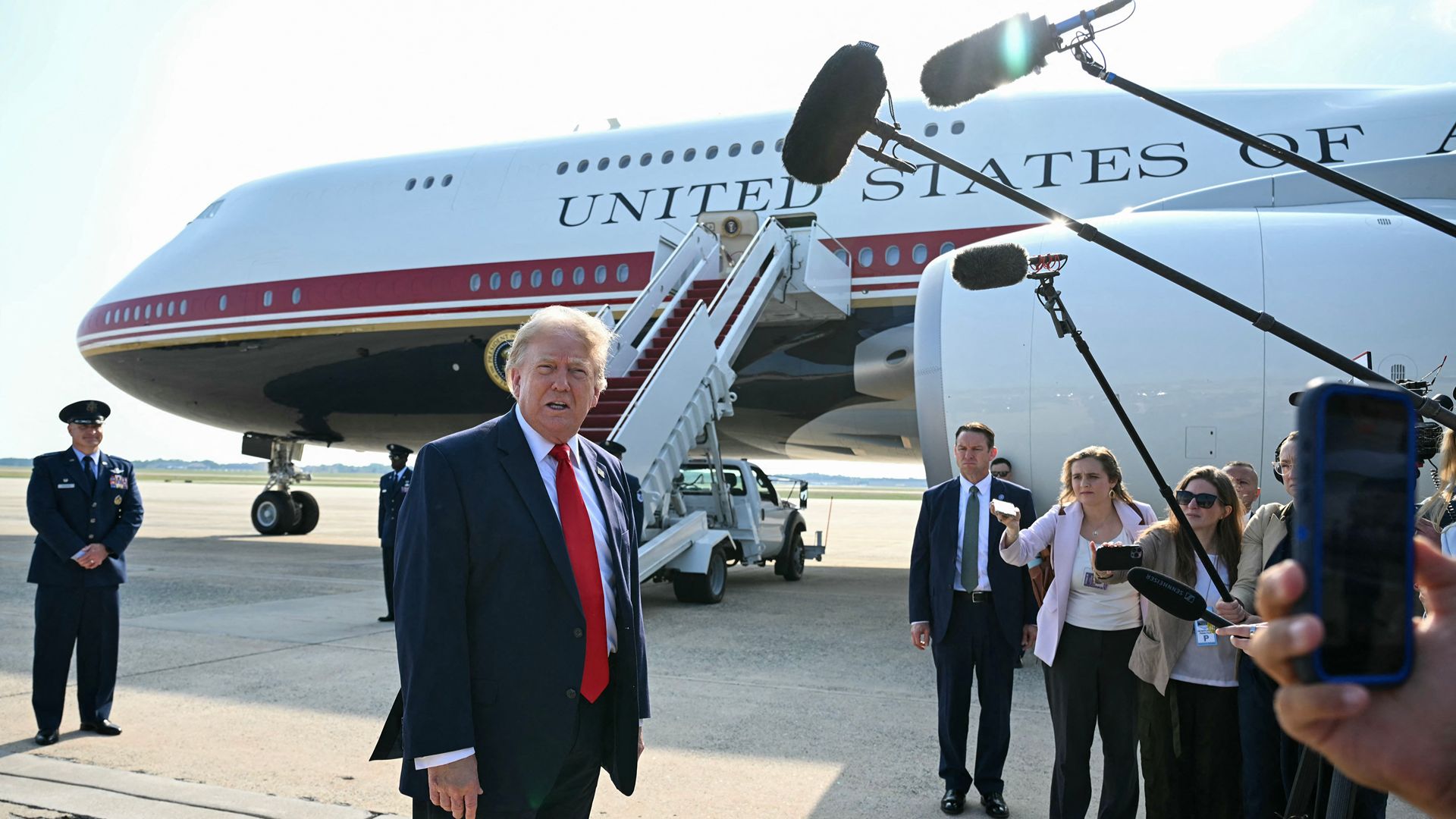
The unexpected aircraft switch highlighted the operational gap between a heavily modified luxury Boeing 747-8 and a purpose-built military presidential command platform. Despite extensive conversion work, the Qatari jet does not yet match every classified capability available aboard the older VC-25 fleet. Reported differences include less sophisticated missile-warning and defensive countermeasure systems, limitations in electronic warfare protection, incomplete shielding against electromagnetic pulse effects and gaps in secure communications equipment. The aircraft also lacks the aerial refueling capability that allows the traditional Air Force One to remain airborne for extended periods during emergencies. Those deficiencies do not necessarily make the plane unsafe during ordinary travel, but they become far more consequential when a president is flying through a region where military escalation is unfolding. The Ankara episode demonstrated that the new jet could perform routine presidential transport duties while still falling short of the standards required for the highest-threat missions.
«It has a lot of capability… but we're going to take it out for about a month and we're going to max it out.»
-U.S. President, Donald Trump
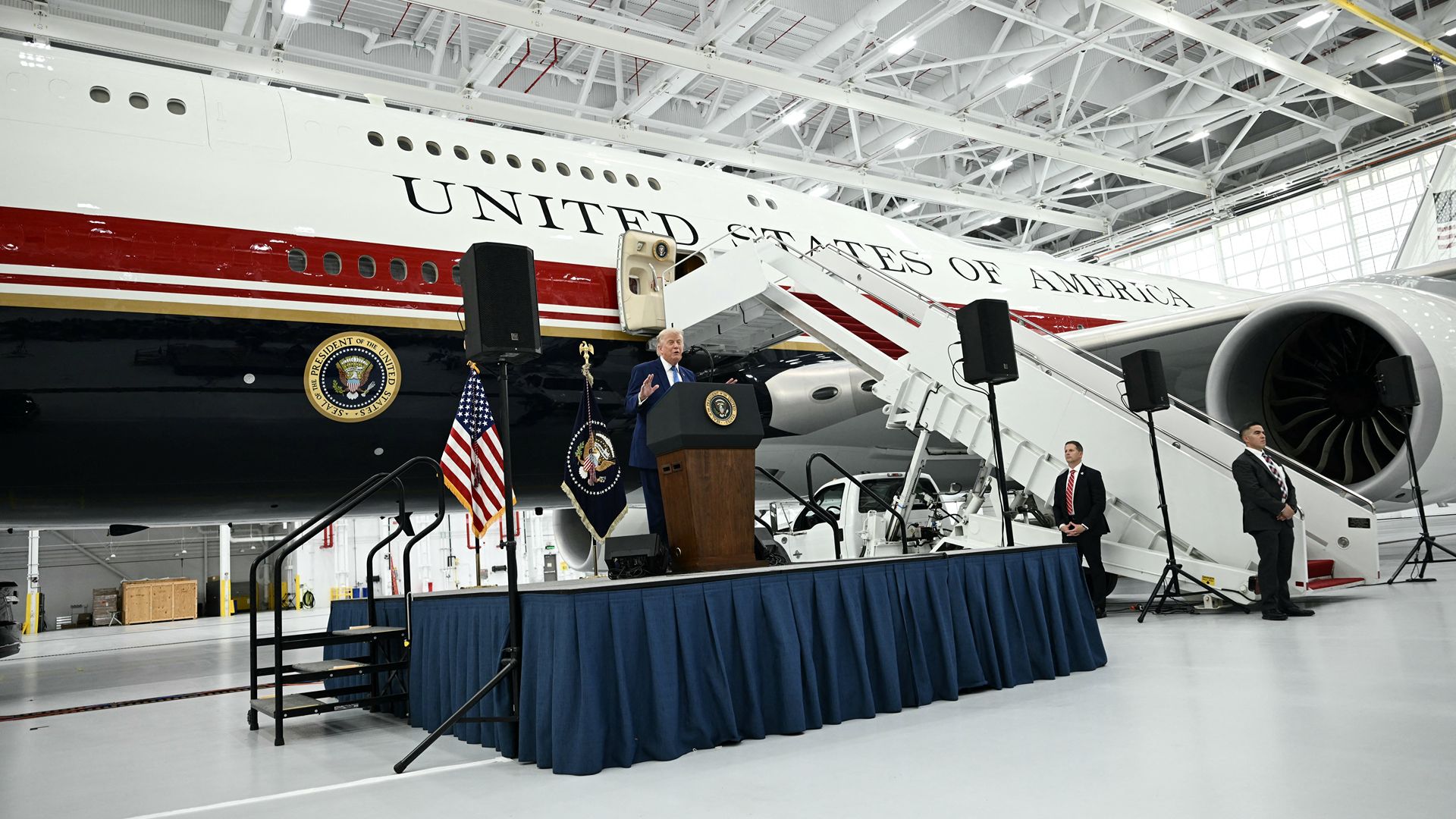
The aircraft itself has attracted attention almost from the moment it entered government service because of its unusual origins. The Boeing 747-8 was originally manufactured as a luxury VIP aircraft for Qatar's royal family before being transferred by the Qatari government to the United States for presidential use. Estimated to be worth roughly $400 million, it ranks among the most valuable diplomatic gifts ever accepted by the U.S. government. Rather than serving as a permanent replacement for Air Force One, the aircraft was intended to function as an interim solution while Boeing continues work on the delayed VC-25B presidential fleet. Those next-generation aircraft, based on newer Boeing 747-8 airframes and equipped with purpose-built military systems, are now expected to enter service around 2028 after years of delays, cost overruns and technical challenges that forced the White House to rely on a temporary alternative.
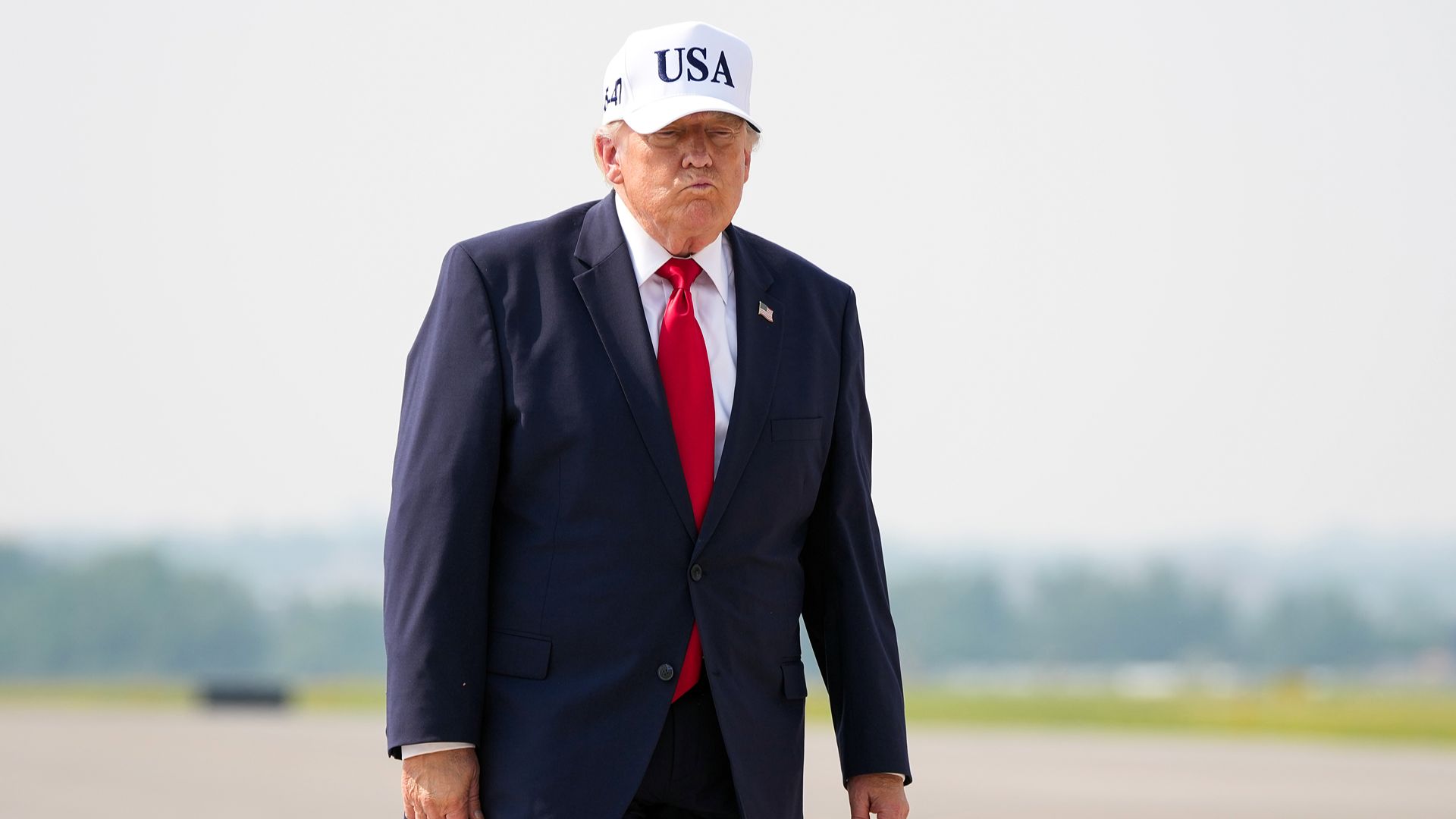
Converting a luxury civilian aircraft into one capable of transporting the president has required a massive financial investment beyond the value of the jet itself. Current estimates place the cost of the ongoing retrofit at more than $300 million, while earlier Pentagon planning documents authorized spending of up to $400 million to complete the transformation. The work has included installing secure communications, classified mission equipment and structural modifications needed for presidential operations, although officials have acknowledged that the aircraft still lacks several defensive features carried by the legacy VC-25 fleet. Trump's latest announcement indicates that another month of work will now be devoted almost entirely to strengthening the jet's protective capabilities rather than adding comfort or cosmetic improvements. The president's objective is to ensure the aircraft can safely undertake future international missions without requiring the type of mid-trip aircraft change that occurred after the NATO summit.
Trump Presidential Library
Even as additional taxpayer-funded upgrades continue, Trump has repeatedly stated that the Boeing 747-8 is not expected to remain part of the presidential fleet after his administration concludes. Instead, the current plan calls for the aircraft to be transferred to the Trump Presidential Library Foundation once he leaves office, while future presidents would transition to Boeing's long-awaited VC-25B aircraft after they enter service. That proposal has generated significant political and legal debate because the plane originated as a gift from a foreign government before undergoing hundreds of millions of dollars in federally funded modifications. Critics argue the arrangement raises constitutional, ethical and financial concerns over the eventual disposition of the aircraft, while supporters contend it remains government property throughout Trump's presidency and serves an important role as a temporary replacement until the next generation of Air Force One aircraft is finally ready for operational service.
Created by humans, assisted by AI.
 Trump bought the stocks. Then promoted them. «There's nothing illegal.»
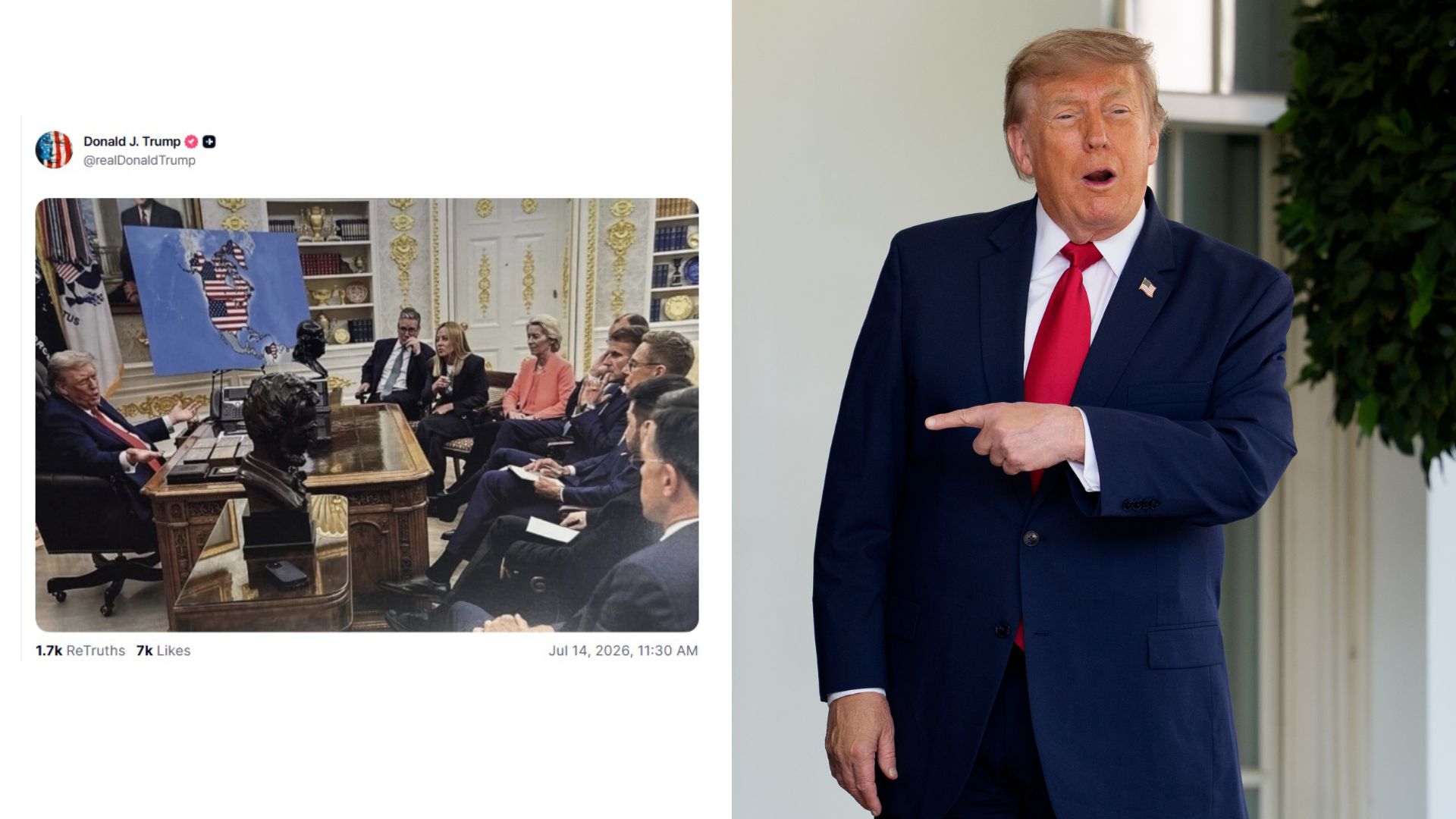 Trump sparks outrage with AI image showing Canada, Greenland, Cuba and Venezuela as US territory