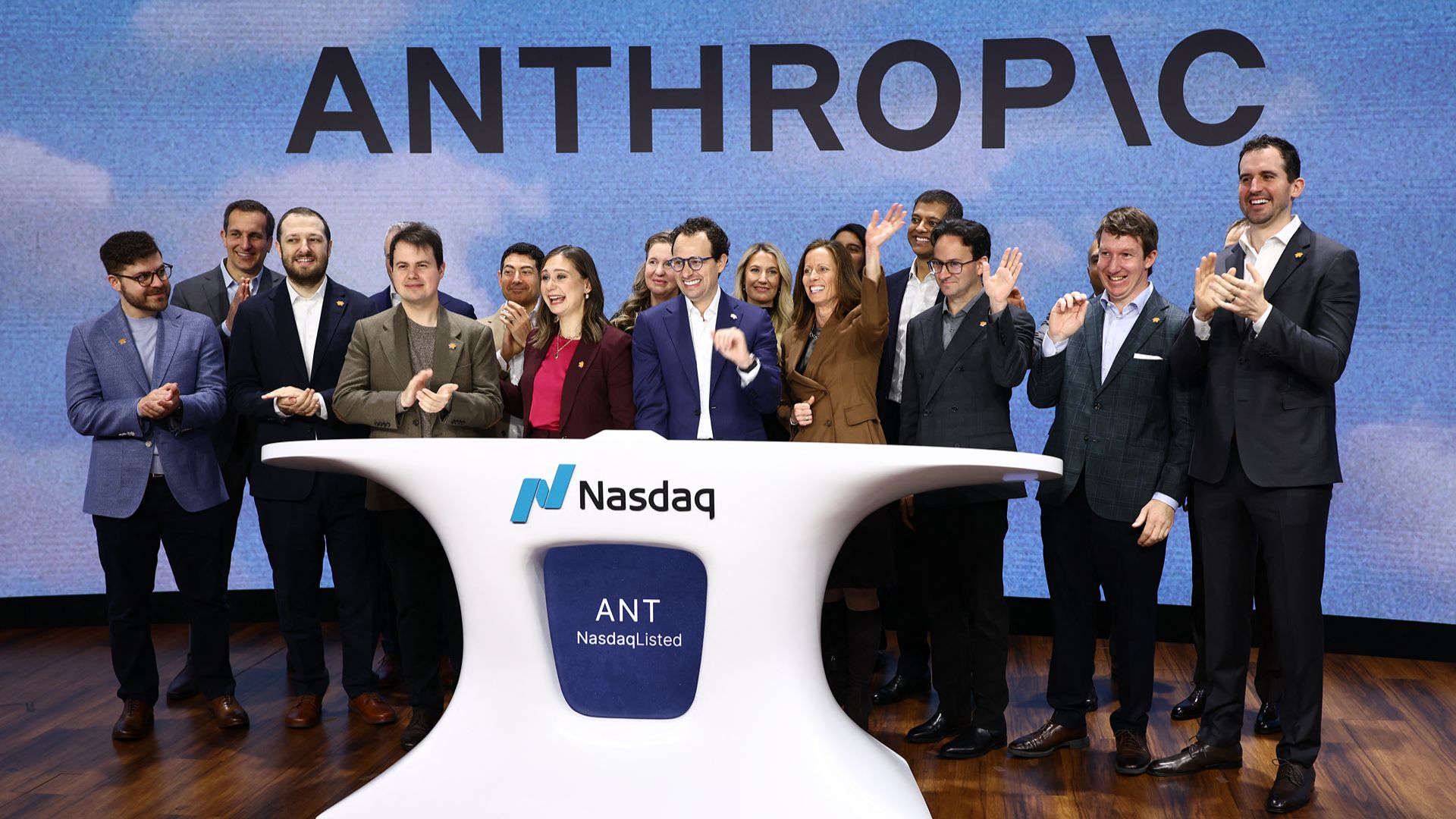
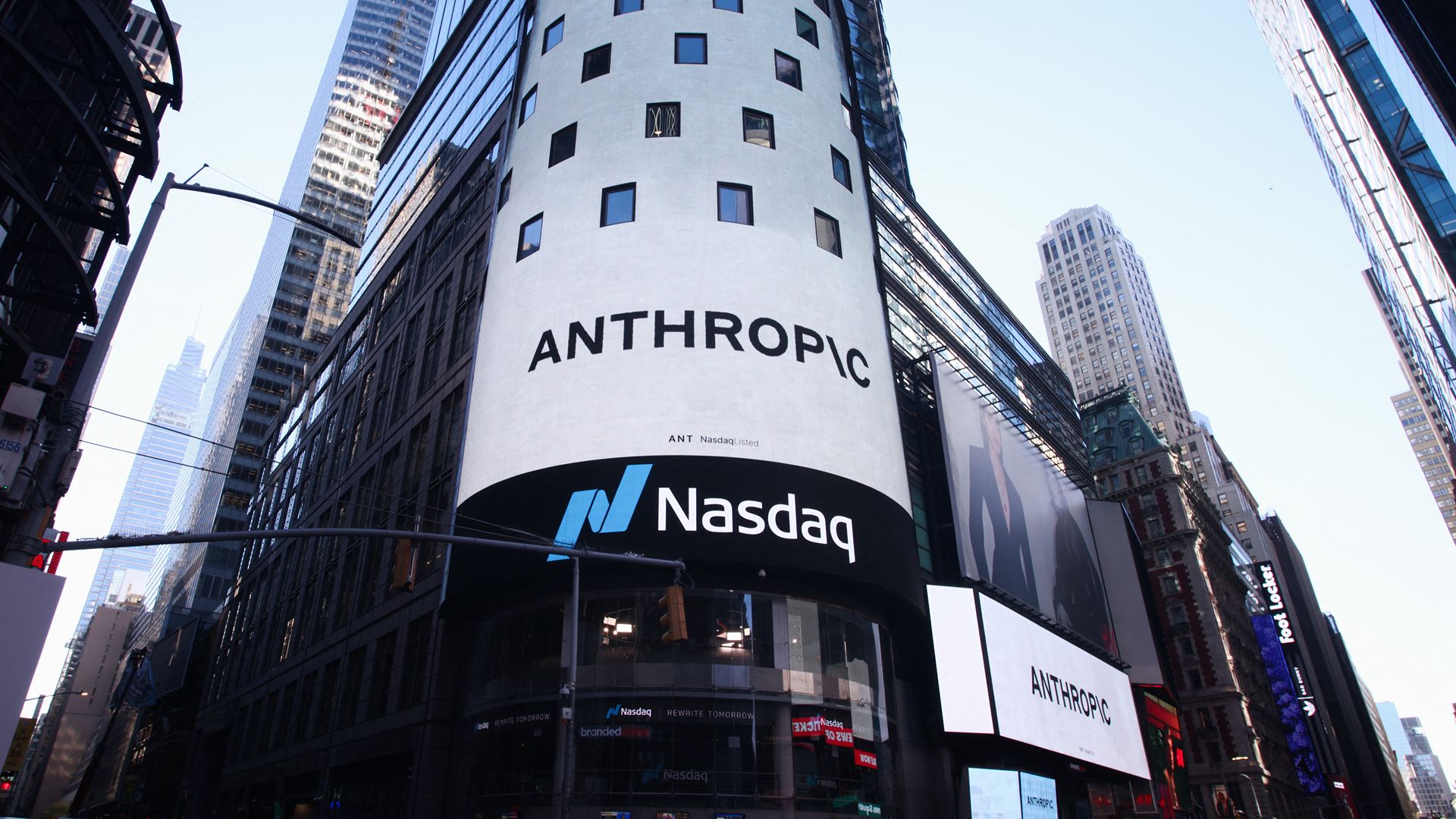
Less than a week after completing the largest initial public offering (IPO) in history, Anthropic experienced another turbulent trading session on Wednesday, November 25, as its shares briefly plunged to $73.85, significantly below their original offering price of $83. The decline represented a loss of nearly 34% from the company's opening trading price of $111.50 on November 19, temporarily pushing its market capitalization below $1 trillion. Although shares subsequently recovered to close at $82.79, the developer of the Claude AI chatbot remained below its IPO price heading into the Thanksgiving holiday. The rapid reversal of its initial stock market rally highlights growing uncertainty among investors about the valuations of major AI companies and their ability to generate sufficient financial returns. With American stock markets closed on Thursday, Wednesday's closing price remains the company's latest regular-session valuation.
The disappointing performance contrasts sharply with the extraordinary enthusiasm surrounding Anthropic's arrival on Nasdaq. The company raised $93.5 billion through its initial public offering, surpassing the previous record of $85.7 billion established by Elon Musk's SpaceX. An additional $26 billion raised through a separate private placement brought the combined gross proceeds to approximately $119.5 billion. During its first trading session, Anthropic's shares reached $115.10, briefly pushing its fully diluted valuation above $2 trillion before surrendering much of those gains. As the first major frontier AI developer to become a publicly traded company, Anthropic has emerged as an important indicator of Wall Street's confidence in the generative AI industry. Its subsequent decline suggests that the enthusiasm surrounding technological advances may not necessarily translate into sustained demand for shares at exceptionally high valuations.
We intend to fund these investments through the revenue we generate and the capital that we raise.
Among the most significant financial challenges facing Anthropic are the enormous contractual commitments associated with securing the computing capacity required to develop and operate its AI models. According to its IPO prospectus, the company has approximately $900.9 billion in computing and infrastructure commitments, including $451.6 billion expected to be incurred before the end of 2030. Approximately $70.7 billion in commitments were due within 12 months of September 30, 2026, while longer-term agreements extend through 2045. Anthropic relies extensively on infrastructure provided by major technology partners, including Amazon and Google, to support its expanding operations. Addressing how it plans to finance these expenditures, the company stated in its prospectus: «We intend to fund these investments through the revenue we generate and the capital that we raise.» Although these commitments do not represent existing debt or immediate financial losses, their extraordinary scale underscores the importance of sustained revenue growth and continued access to capital.
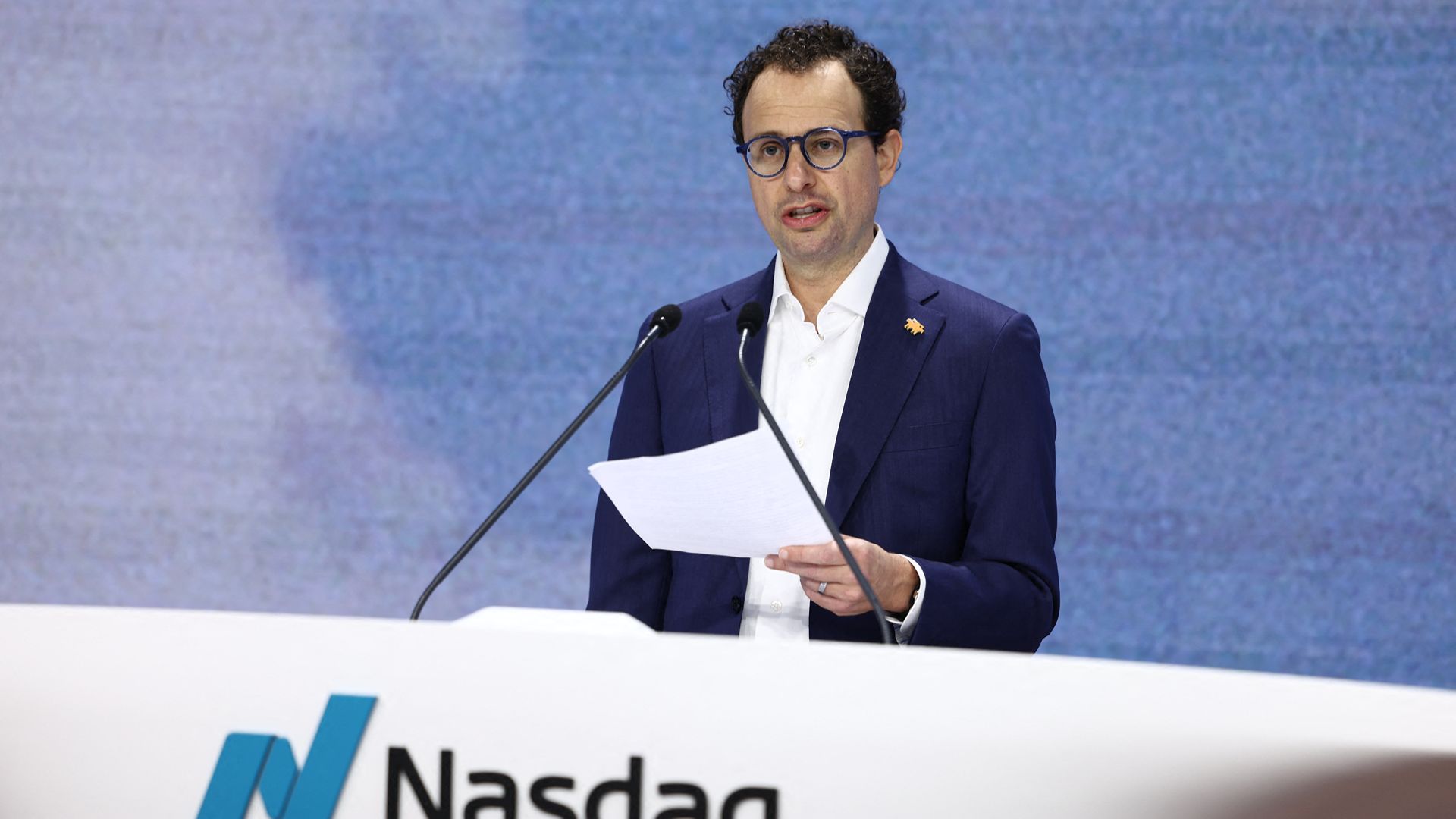
The magnitude of those commitments becomes particularly significant when examined alongside Anthropic's financial results. Although the company generated $16.96 billion in revenue during the third quarter of 2026, its quarterly revenue growth slowed to 47%, compared with 144% in the preceding quarter. Anthropic also reported a net loss of approximately $104 billion during the first nine months of the year, although roughly $94.3 billion resulted from non-cash accounting adjustments associated with convertible notes rather than direct operating expenditures. The figures nevertheless highlight the challenges facing AI developers as they attempt to transform rapid commercial expansion into sustainable financial returns. Troy Hooper, co-head of equity capital markets for the Americas at Mergermarket, summarized the uncertainty surrounding the sector in comments to Reuters on November 25: «Technological breakthroughs don't automatically translate into attractive returns on capital.»
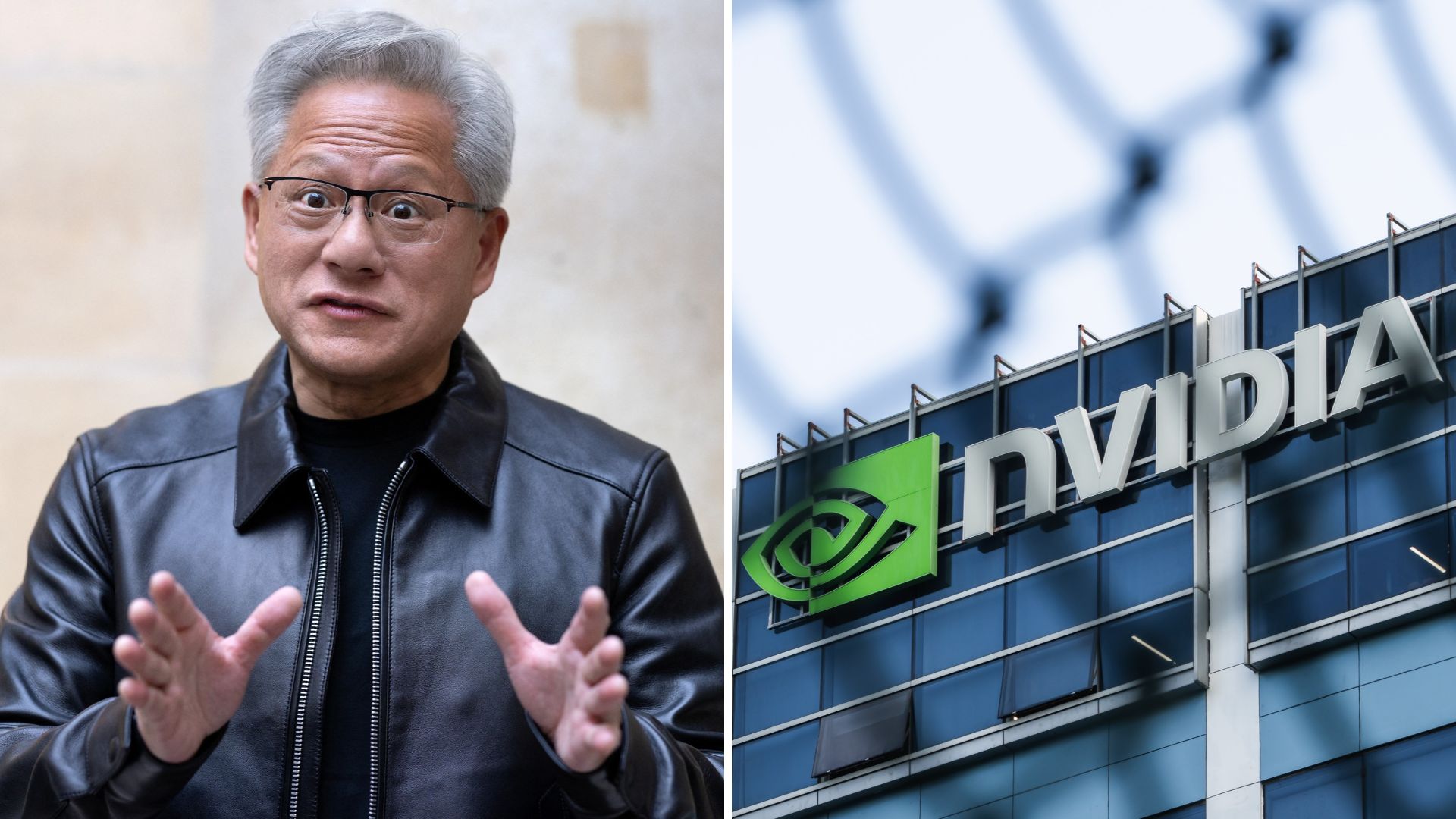
Anthropic's disappointing stock market performance has coincided with renewed volatility across the broader AI industry, where investors are increasingly scrutinizing corporate valuations, financing requirements and long-term profitability. Nvidia shares fell another 3.9% on Wednesday following concerns over a potential credit rating downgrade after S&P Global Ratings placed the company under review. The decline followed an earlier rally triggered by the controversial reinstatement of Jensen Huang as Nvidia's chief executive. Reuters also reported that several major technology companies had experienced substantial stock market losses despite improvements in projected earnings, suggesting that investors are reassessing the premiums attached to AI-related businesses. The uncertainty surrounding Anthropic is particularly evident in Morningstar's valuation scenarios, which range from $25 to $188 per share, reflecting dramatically different expectations regarding the company's future growth and financial performance.
Technological breakthroughs don't automatically translate into attractive returns on capital.
Despite the reversal of Anthropic's initial stock market gains, several financial institutions remain optimistic about the company's longer-term prospects. Wedbush established a price target of $120 per share, while Canaccord and Oppenheimer issued targets of $135 and $150, respectively. Research firm Arete offered a considerably more bullish outlook, setting its target at $300. Anthropic could also benefit from its scheduled inclusion in MSCI's global standard indexes following the November 30 market close, potentially generating additional demand from investment funds tracking those benchmarks. Research firm Intropic estimates that passive investment funds could acquire up to 30% of the shares offered through the IPO by the end of the year. Nevertheless, the company's ability to sustain revenue growth, finance its extensive computing commitments and eventually achieve consistent profitability remains central to determining whether its extraordinary valuation can be justified over the longer term.
Created by humans, assisted by AI.
Share this post