

/https%3A%2F%2Fcdn-tor.buminteractif.com%2F2026%2F10%2F07174932%2FGettyImages-2298447355.jpg)
Russia's health regulator has claimed that there is no risk of an epidemic breaking out in Siberia after a plague institute worker died on October 2. In a press release from October 7, Russian health authorities confirmed that a 28-year-old plague institute worker, Darya Shipilova, died on October 4 from complications from pneumonia. According to reports, the origin of the illness has yet to be discovered, but the Kremlin have placed 200 people under quarantine. The case immediately drew international concern, including from US President Donald Trump and the World Health Organization (WHO).
WHO has requested further information to clarify the cause of the severe pneumonia, the pathogen that prompted the public health measures, and media reports of a second employee with pneumonia of undetermined cause
Tedros Adhanom Ghebreyesus, the director-general of WHO, statement on X
WHO requests additional info
Tedros Adhanom Ghebreyesus, the director-general of the WHO in Geneva, has requested additional information regarding both the individual who died from pneumonia and the broader context for the situation. In statements made on October 7, Ghebreyesus said that his organization needed more information from the Kremlin in order to rule out the incident as risk-free. While WHO has requested additional information, the organization clarified that they do not believe there is tangible risk of an epidemic forming. According to Ghebreyesus, Russian health authorities told the WHO that no plague cases have recently been recorded in the Irkutsk region and that an epidemiological investigation was conducted.
Timely, complete and transparent information sharing under the International Health Regulations is essential to clarify conflicting reports and enable an accurate assessment of potential public health risks
Tedros Adhanom Ghebreyesus, the director-general of WHO, statement on X
No cases of plague detected, per Russian authorities
According to Russian health authorities, there is little to no risk of the pneumonia pathogen being a plague. After the death of Shipilova, Russia placed 200 individuals under quarantine. According to Kremlin spokesperson Dmitry Peskov, 90 per cent of the individuals placed under quarantine had been cleared to resume daily life after nearly 5,000 lab tests had failed to detect any dangerous pathogens, and most of the measures implemented on October 2 had been lifted. According to the Kremlin, Shipilova had been vaccinated and was supposed to be immune to any dangerous pathogens present in her workplace, which is where much of the panic originated. The Kremlin did not say, though, what had caused the pneumonia which killed her or how she fell ill, though WHO clarified that the cause of individual pneumonia cases can often not be determined.
Cause of death remains unknown.
Multiple Western media outlets reported that a second person in Siberia has died from pneumonia, citing unnamed Russian news sources, but the claims have not been confirmed, and the Kremlin's official statement is that only one person has died. Multiple Russian social media pages also claimed a second person has died, but there have been no reports from Russian media. While Shipilova's cause of death is still unconfirmed, pneumonia, a lung infection, can begin from a variety of causes. The international worry is that a strain of plague caused this instance of serious pneumonia. International health organizations have been extremely cautious since the COVID-19 pandemic, and with Russia not revealing enough information to satisfy WHO and US health organizations, worry has been raised.
US comment
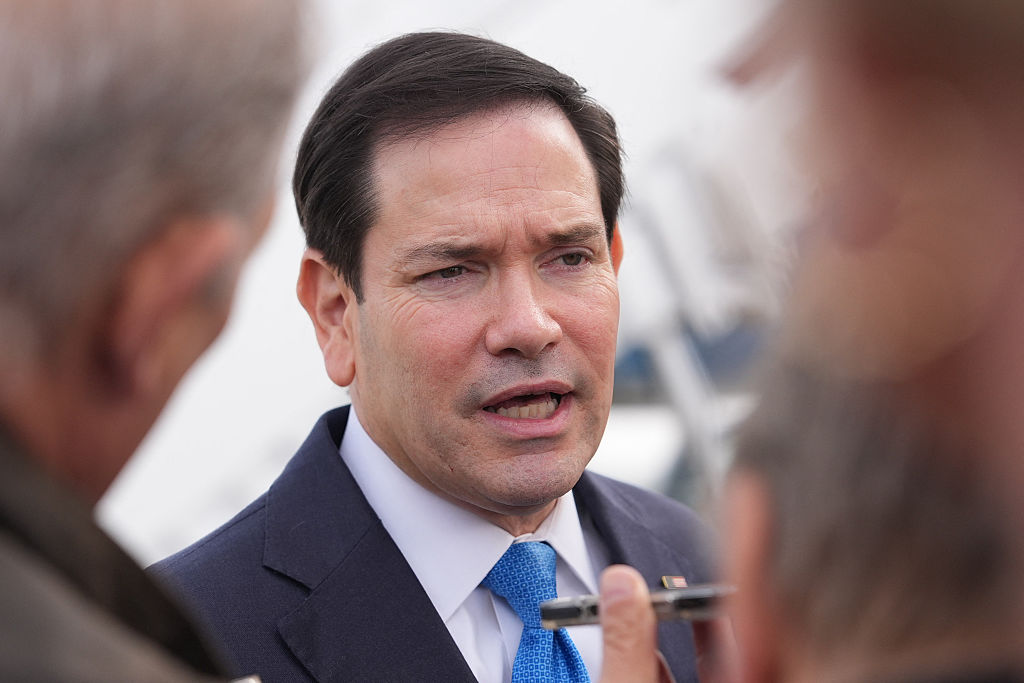
US President Donald Trump said his country is looking very closely at this incident to determine that there is no international risk. Secretary of State Marco Rubio also confirmed that the US was closely monitoring the situation out of fear that the incident could lead to the spread of pneumonic plague, though he said that he does not believe there is cause for alarm. Trump confirmed that if Russia were to experience an outbreak of pneumonic plague, the US would be prepared to aid the Kremlin, and also confirmed that the US would help ‘anybody' with the same issue.
If something like that gets out, it can quickly spread. So we're watching and monitoring it closely. I don't think it's cause for alarm, but it is cause for focus and the cause to just keep an eye on it, and we're doing that.
Marco Rubio on October 6, 2026
WHO on pneumonic plagues
While there has been no confirmation that the pneumonia in Siberia is connected to the plague, it has opened the door to conversations surrounding plague. Yersinia pestis is the bacterium that causes plague, but health experts stress that it can be overcome with antibiotics. While many believe the plague is gone, there are still many active strains of plague that can lead to deadly pneumonia. According to the World Health Organization (WHO), pneumonic plague has a very short incubation period – sometimes just 24 hours – and can be fatal if not diagnosed and treated early. People can be infected through infected flea bites, contact with bodily fluids or contaminated materials, or the inhalation of respiratory particles. Symptoms include shortness of breath and coughing, often with blood-tainted phlegm.
